Try our novelties and bestsellers!»




-
×
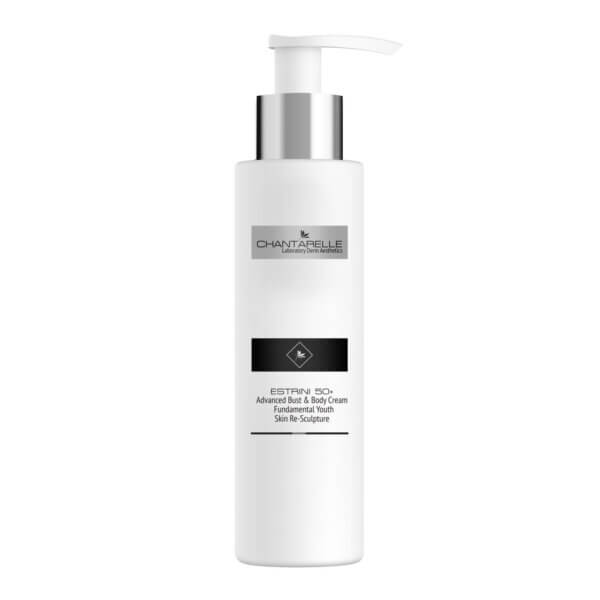 Fundamental youth cream for the body and bust of mature women
1 × 45,00 £
Fundamental youth cream for the body and bust of mature women
1 × 45,00 £ -
×
 Lifting mask - Exo Boost exosome stimulator
1 × 5,50 £
Lifting mask - Exo Boost exosome stimulator
1 × 5,50 £ -
×
 Fundamental 26% youth concentrate for the skin of mature women
1 × 52,00 £
Fundamental 26% youth concentrate for the skin of mature women
1 × 52,00 £ -
×
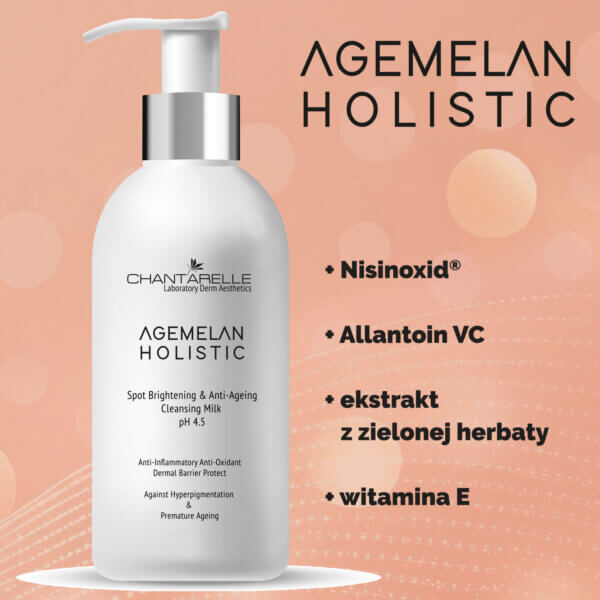
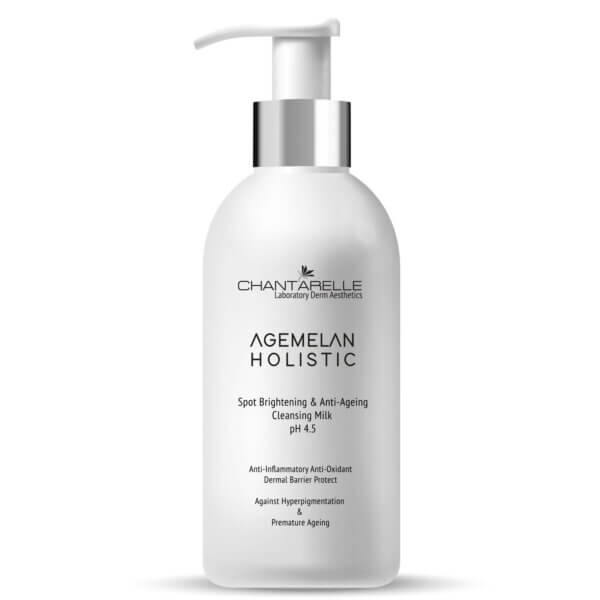 Cleansing milk pH 4.5 to rejuvenate and lighten blemishes
1 × 26,00 £
Cleansing milk pH 4.5 to rejuvenate and lighten blemishes
1 × 26,00 £ -
×
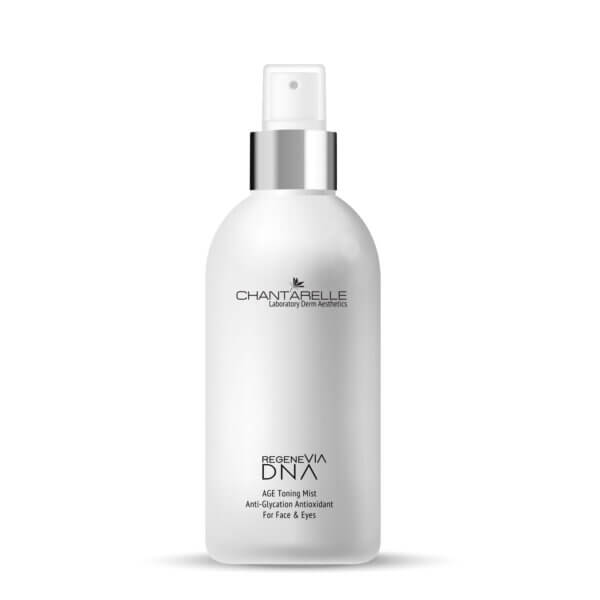 AGE anti-glycation, antioxidant toning mist
1 × 32,00 £
AGE anti-glycation, antioxidant toning mist
1 × 32,00 £ -
×
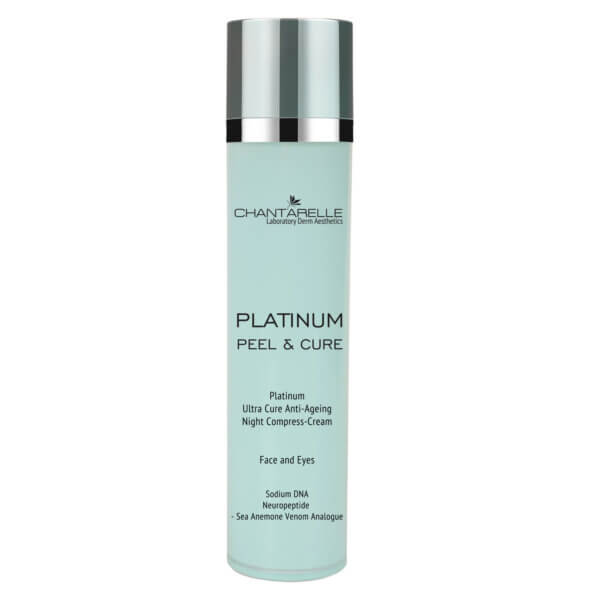 Platinum Night Cream Ultra Repair and Rejuvenation with platinum
1 × 56,00 £
Platinum Night Cream Ultra Repair and Rejuvenation with platinum
1 × 56,00 £ -
×
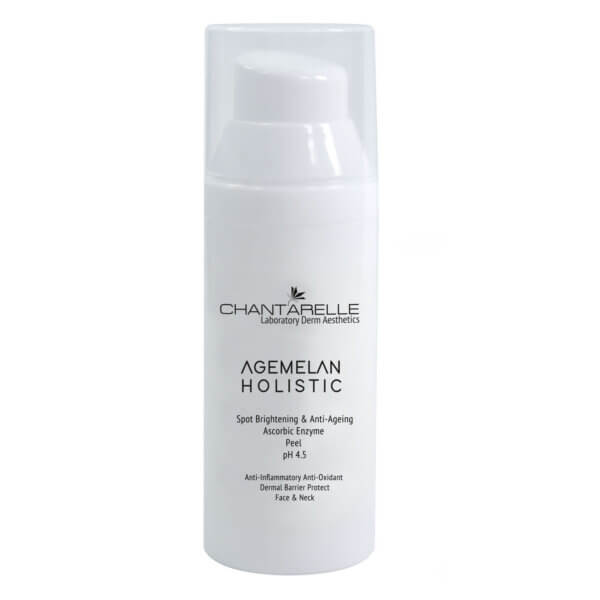
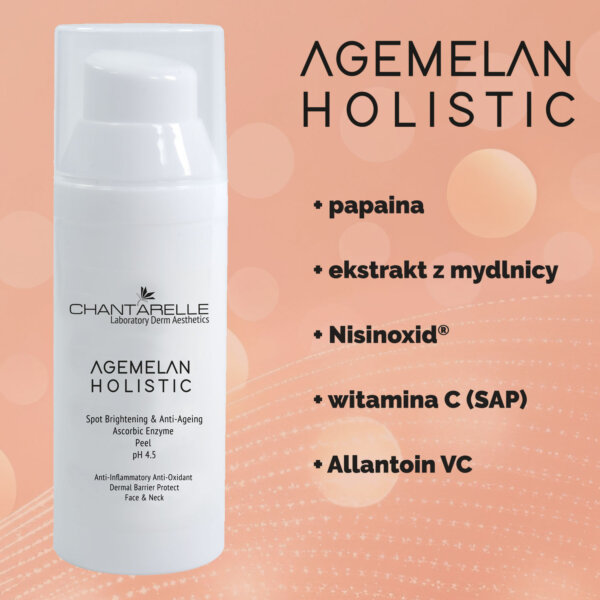
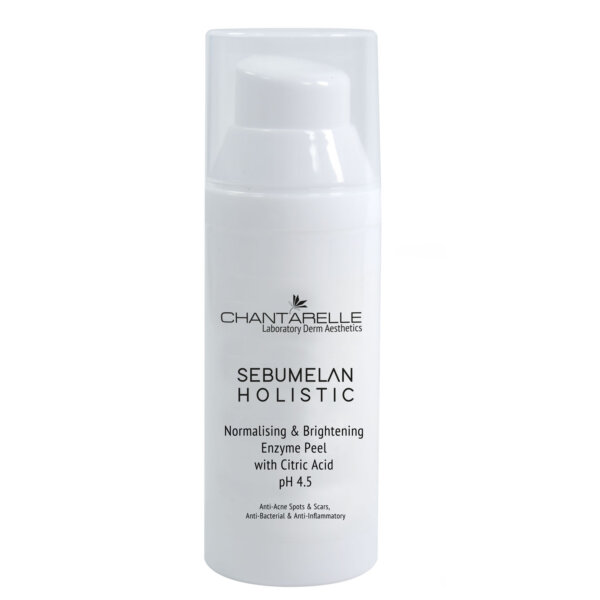 Enzyme peeling pH 4.5 for acne blemishes and scars
1 × 32,00 £
Enzyme peeling pH 4.5 for acne blemishes and scars
1 × 32,00 £ -
×
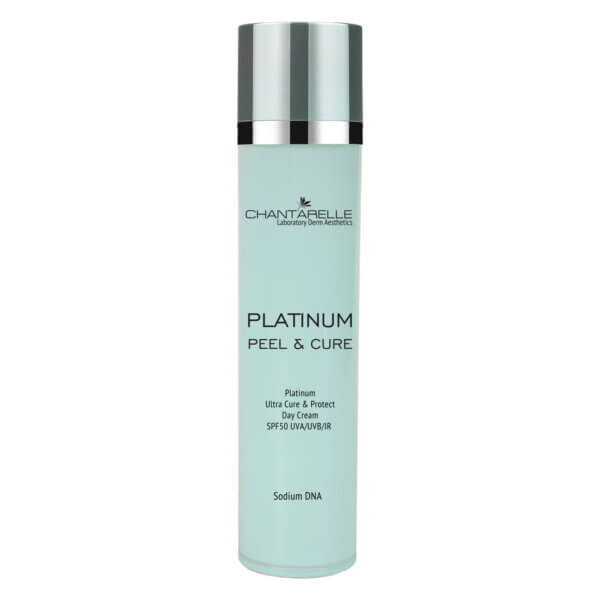 Platinum Day Cream SPF50 UVA/UVB/IR Ultra Recovery and Protection with Platinum
1 × 56,00 £
Platinum Day Cream SPF50 UVA/UVB/IR Ultra Recovery and Protection with Platinum
1 × 56,00 £ -
×
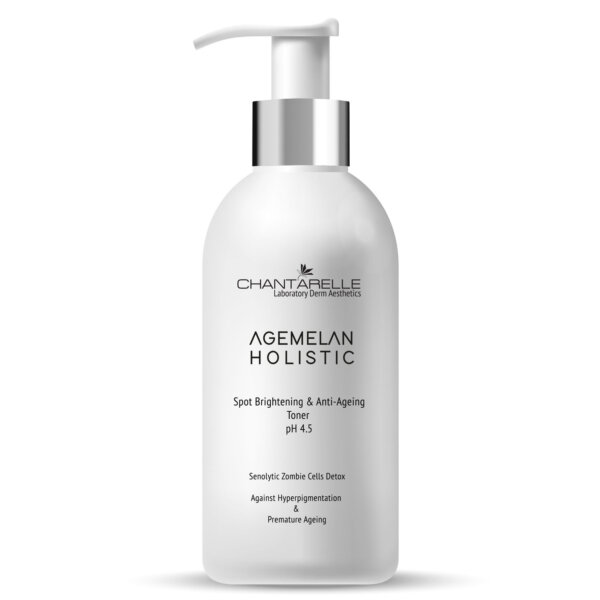 Tonic pH 4.5 to rejuvenate and lighten blemishes
2 × 37,00 £
Tonic pH 4.5 to rejuvenate and lighten blemishes
2 × 37,00 £



Tips
When to use dermocosmetics for the first facial wrinkles?
02
Feb
Feb
Many women ask themselves when to start using cosmetics or start treatments for their first facial wrinkles. Sometimes, with rich facial expressions and genetic predisposition, they appear around the age of 18-20, more often around the age of 25. Facial wrinkles become more pronounced after the age of 30 and usually earliest around the eyes and forehead, and later around the mouth.Skin ageing is one part of a wider complex biological ageing phenomenon, the skin is simply the first visible sign of this, and it affects all cells and tissues in the human body.
The influencing factors can be divided into internal, that is, genetic, physiological, hormonal and metabolic processes specific to the individual, and external such as air pollution, radiation, overexposure to the sun, chemicals and toxins. Factors such as lack of rest, dehydration and the use of stimulants, especially cigarette smoking, are conducive.
What factors contribute to skin ageing?
According to studies published by Dermato Endocrinilogy, when the higher factors mentioned are accumulated, visible skin ageing can occur very early, i.e. even between the ages of 20 and 25. Changes can occur both in the deep layers of the skin (changes concerning loss of type VII collagen, loss of firmness of fibrin fibres) and in the epidermis. In the latter case, the process is more easily inhibited by replenishing lipids or skin hydration and using appropriate treatments. Studies published in the USA say that the situation is much more difficult in the case of premature photoageing of the skin due to thinning of the dermis layer and degradation of collagen.
In our climatic zone, this is extremely rare, being more common in areas with constant sun exposure, e.g. Australia, which is confirmed by an increased incidence of benign and malignant skin cancers. Another aspect of skin ageing is changes in the metabolic cycle and renewal of cellular processes, which deteriorate with age (degradation by various matrix metalloproteinases, serine, and other proteases irrespective of the same collagen production). The older the skin gets, the more irregular and disorganised the collagen fibre structure looks, and the collagen content of the skin decreases by about 1% per year (the ratio of Col-3, to Col-1 has been shown to increase, due, significantly, to a loss of Col-1).
The second problem is the loss of water associated with the action of glycosaminoglycans (GAGs) – in the case of photo-ageing, this affects the visibility of the first facial wrinkles. At around 30 years of age, the level of hyaluronic acid in the dermis is still unchanged, while a loss is already visible in the epidermis.
Current research on skin ageing focuses on the analysis of the dermis, collagen, elastin and glycosaminoglycans (GAGs). Solutions to these problems are expected to include cosmetics, dietary supplements and treatments with cosmetic lasers and other devices
What to use for first facial wrinkles?
If the above-mentioned contributing factors are not present, you can start using gentle dermocosmetics against the first facial wrinkles as early as around the age of 25. Before that, it is better to opt for strongly moisturising or oiling cosmetics depending on your needs and, if possible, to get more rest and hydrate your body. Once a week, it is advisable to apply a highly moisturising mask and to exfoliate gently. Cosmetologists advise against the use of strong anti-wrinkle preparations before the age of 35, as there is no objective need for this. Of course, it is important to remember to remove make-up and use a daily day cream (with SPF and suitable under make-up) and a night cream (higher concentration of active ingredients).
- Drink water – about 1.5-2l a day
- Eat vegetables, fruit, oils and grains such as pumpkin and sunflower seeds
- Wash off make-up daily
- Use day and night creams by massaging them in with a few strokes to improve the blood supply to the skin
- Once in a while, perform a facial scrub and mask
For in-salon beauty treatments, it’s a good idea to start with acids chosen to suit your skin – acids in lower concentrations will exfoliate dead skin, improve hydration and skin elasticity. There are many types of acids to choose from, from the popular lactic and glycolic to azelaic. It is worth reaching for dermocosmetics with hyaluronic acid, vitamins E and C, avocado oil and Shea butter. It is necessary to use SPF UVA/UVB filters with a factor of at least 15.
When it comes to lifestyle, it is worth supplementing your diet with vegetables rich in antioxidants, vitamin C and E, avocados, oils and fish, which contain valuable DHA and OMEGA-3 acids. In addition, get plenty of sleep, drink plenty of water and minimise stress. At this age, that much is enough 🙂
Cosmetics for facial wrinkles
New
New

New
New

New
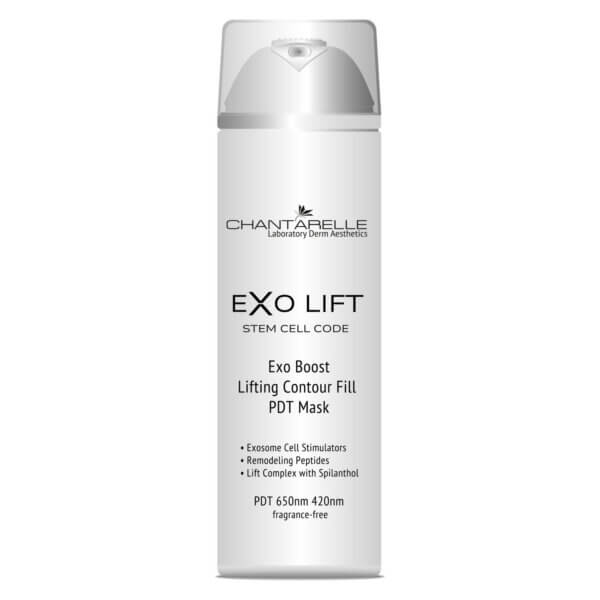

For professionals only
New
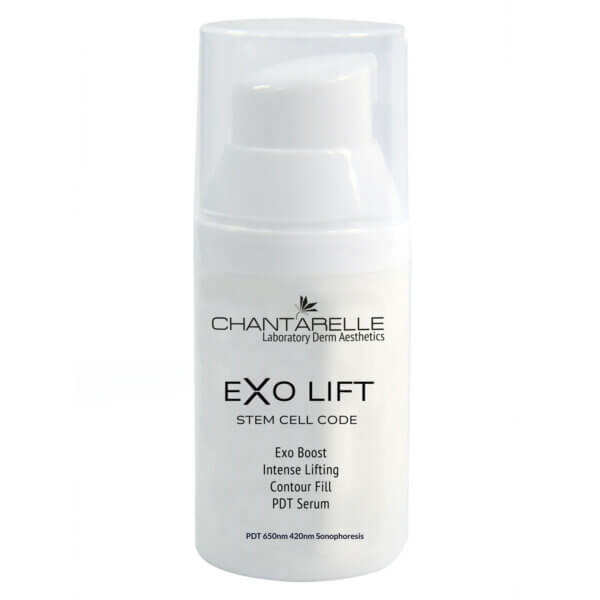

For professionals only
New
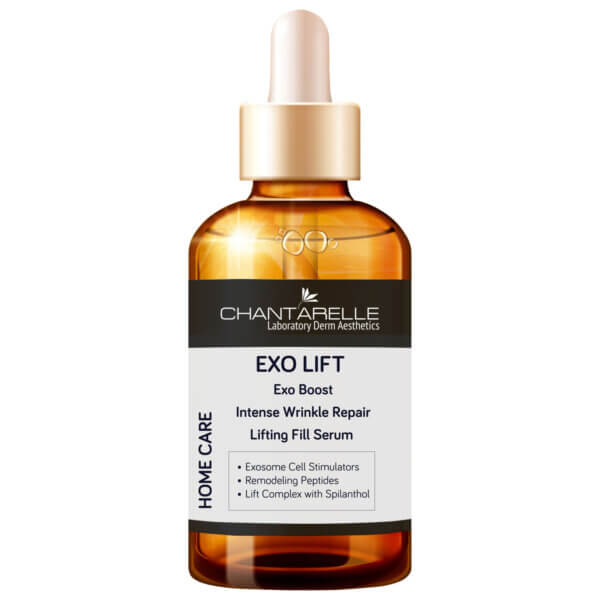

New