Try our novelties and bestsellers!»




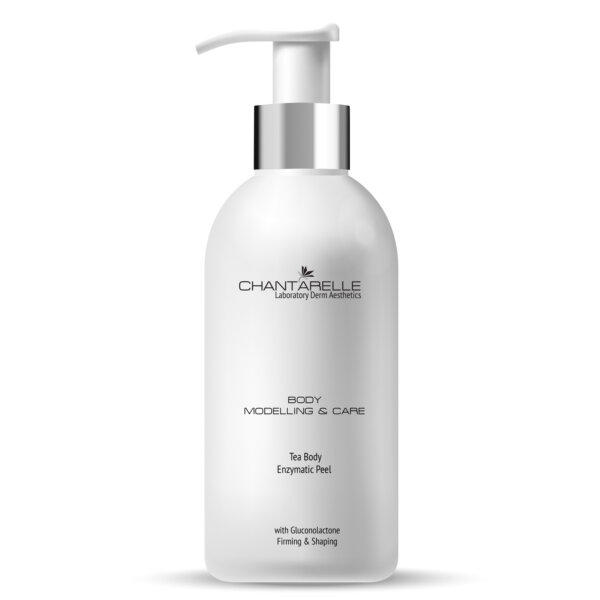 Tea Enzyme Body Peel with Gluconolactone
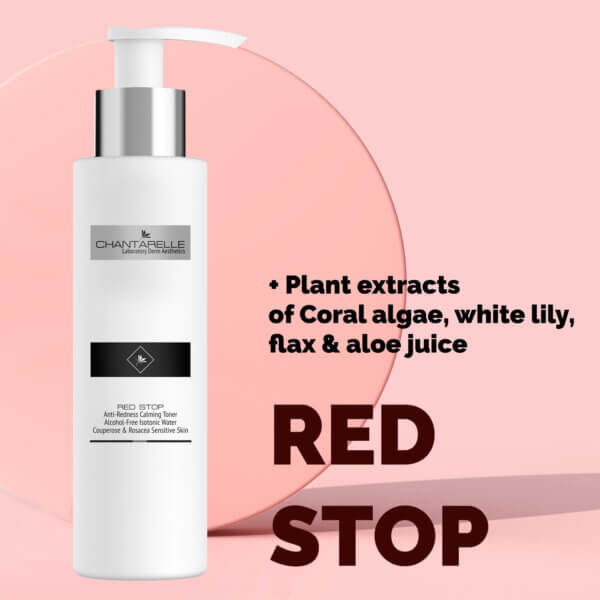
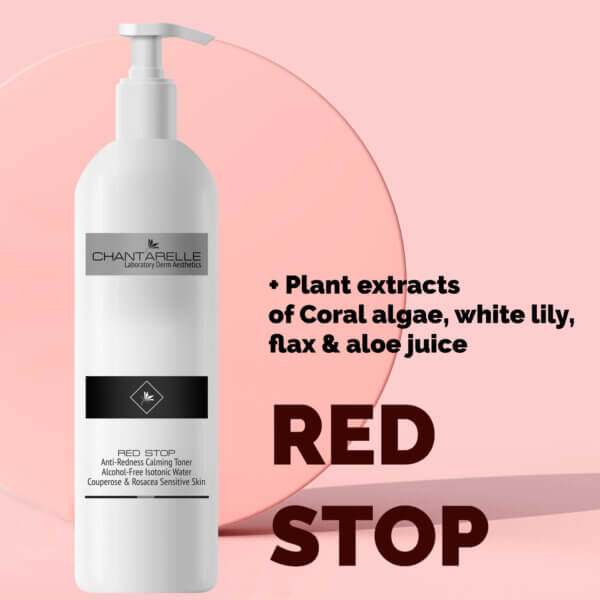
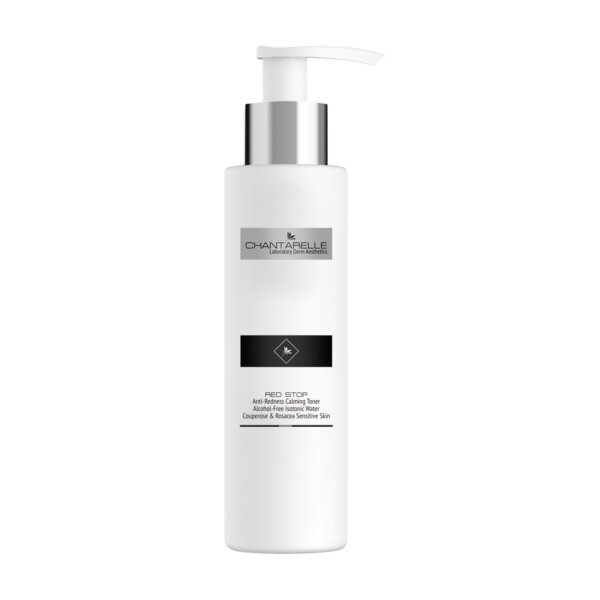 Anti-Redness Calming Toner Alcohol-Free Isotonic Water Couperose & Rosacea Sensitive Skin

Active ingredients in cosmetics
White lily – plants in cosmetics
Aug
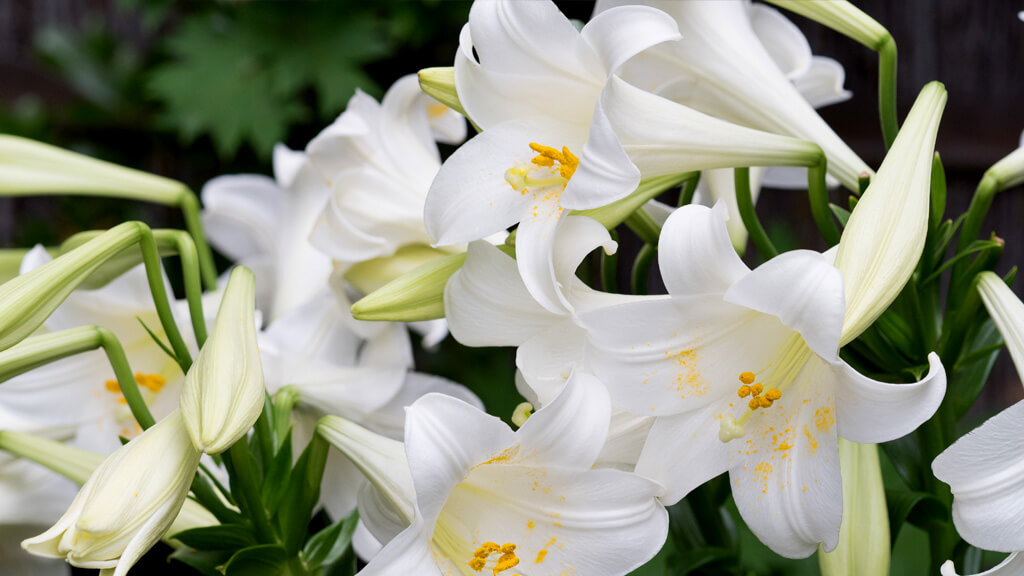
The white lily (Lilium candidum) is a member of the lily family and is a perennial plant growing to 60-150 cm. It has large, perfectly white flowers and an intense fragrance. Each flower has six slightly curved petals and six stamens with white filaments and long, yellow anthers.
The plant is found in Mediterranean areas, but also in other parts of Europe and western Asia. It probably originated in Persia and Syria. It is often cultivated in gardens and also grows spontaneously in fields and around village homesteads.
Medicinal uses of the white lily
White lily bulbs have traditionally been used as poultices for their pus-relieving and ulcer-relieving properties, and have been used to treat wounds and burned skin. White lily vinegar was also applied to warts. Lily flowers are used in cosmetics to treat fragile blood vessels. The essential oil, on the other hand, is used in perfumery.
White lily in cosmetology and cosmetics
Saponins and polysaccharides found in the bulbs give lily extract its smoothing, anti-inflammatory and protective properties. The extract also has a moisturising and softening effect. Therefore, it can be added to all kinds of preparations for dry, irritated and sensitive skin. Soluble polysaccharides are responsible for producing the so-called filmogenic effect on the skin. They thus retain water in the skin, ensuring proper hydration of the stratum corneum, which in turn translates into greater skin elasticity.