Try our novelties and bestsellers!»






Active ingredients in cosmetics, Cosmetic treatments, Skin care at home
Facial hyperpigmentation – skin-brightening cosmetic ingredients
Jan
Pigmentation on the face? Almost all of us have them, and smooth skin without blemishes or spots is almost every woman’s dream. However, it is difficult to keep the skin flawless and often not only innocent freckles appear, but also spots caused by UV radiation, hormonal changes or skin ageing. Cosmetic manufacturers are looking for more and more perfect substances that lighten existing blemishes, but also prevent the formation of new ones.
Today, active ingredients are used in advanced cosmetics that:
- control UV protection and antioxidant activity
- are tyrosinase and tyrosine inhibitors
- are inhibitors of melanosome transport
- have a cytotoxic effect on melanosomes
- control melanin formation
- control melanin transfer to keratinocytes
Stages of melanogenesis and substances that inhibit this process:
| Stage of discolouration process | Active ingredient in cosmetics | |
| 1 | UV radiation, which affects the formation of melanocytes | Protection through SPF filters and antioxidants |
| 2 | The enzyme tyrosinase and protein tyrosine, which affect melanin synthesis | arbutin, kojic acid |
| 3 | Melanosome formation | Azelaic acid |
| 4 | L-DOPA – A transient metabolite of melanin during melanogenesis. DOPA-quinone – Is an intermediate compound in the biosynthesis of melanin (melanogenesis). | bio-hydroquinone |
| 5 | Melanin formation | vitamin C |
| 6 | Transfer of melanin to keratinocytes | niacinamide, AНA acids, pyruvic acid, retinoids |
Facial hyperpigmentation – step 1: SPF protection
Preparations for UV protection are essential during and after the correction of hyperpigmentation. It is best to choose cosmetics that contain both physical and chemical SPF filters. The SPF index is determined individually on the basis of the phototype according to the Fitzpatrick classification.
Facial hyperpigmentation – use antioxidants
The bleaching process is quite aggressive for the skin, so use antioxidants before and after your pigmentation correction treatment. Here are some rules and tips for using antioxidants during pigmentation treatment:
- Do not start intensive whitening as long as there is an inflammatory focus – it is necessary to eliminate it and stop oxidative stress, thus removing the melanocyte stimulating factor, and antioxidants are necessary for this;
- Do not use antioxidants during whitening – the mechanism of whitening action of the vast majority of cosmetic whiteners is based on free radical reactions, and if these are blocked, the effectiveness of whitening will be reduced;
- After an intensive whitening course, measures should be taken to strengthen the skin’s protective structures, and at this stage it is necessary to combine antioxidant agents again;
Arbutin
A glycosylation product of hydroquinone. The mechanism of action of arbutin is to inhibit the production of tyrosinase, the enzyme that catalyses melanin synthesis. Thanks to this, the process of darkening of the skin pigment is inhibited, freckles and spots become lighter, borders blur, unifying the skin tone.It inhibits melanin synthesis, while having no toxic effect on melanocytes or other skin cells. Arbutin eliminates all types of hyperpigmentation regardless of origin.
Kojic acid
Tyrosinase inhibitor, also has an exfoliating effect. It blocks the production of the amino acid tyrosine, which is essential for melanin production in the skin. For this reason, it is often used as a spot lightener to lighten outbreaks of hyperpigmentation, as well as for preventive care aimed at the appearance of new pigment spots. It is considered a less aggressive alternative to hydroquinone
Azelaic acid
Azelaic acid is a naturally occurring dicarboxylic acid found in whole grains of rye, wheat and barley and produced by yeast (Pityrosporum ovale). It inhibits DNA and RNA synthesis in melanocytes and is a weak inhibitor of tyrosinase. It is used in the treatment of melasma, post-inflammatory hyperpigmentation due to acne. It improves the overall condition of the skin, regulates the sebaceous glands, significantly improves the keratinisation of the epidermis, minimises defects such as dilated pores, fine wrinkles, hyperpigmentation, and restores smoothness and health to the epidermis. It is a gentle substance with a powerful action, designed for skin requiring special care.
Vitamin C
Vitamin C’s mechanism of action is that it restores о– dopachinone to dopamine, thus inhibiting melanin synthesis.To stabilise vitamin C, stable biotech forms of vitamin C should be chosen.
Niacinamide
Physiologically active form of vitamin B3. Inhibits melanosome transfer to keratinocytes without affecting tyrosinase activity. It has anti-inflammatory, antioxidant and immunomodulatory effects. According to these clinical studies, nicotinamide inhibits melanosome transport with 68% efficacy in vitro and reduces the severity of unwanted facial pigmentation.
AHA acids
Glycolic and lactic acids are most commonly used in cosmetics. The acids are thought to accelerate the renewal of the epidermis and dermis, thus speeding up the exfoliation of pigmented corneocytes, and in new corneocytes less pigment peeling needs to be combined with an effective depigmentation line at home.
Pyruvic acid
It is an α-keto acid and has keratolytic, antimicrobial and sebostatic effects. It also stimulates collagen production and the formation of elastic fibres. It is used in the treatment of hyperpigmentation in acne patients.
Retinol
It effectively corrects the pathology of hyperpigmentation associated with photo-ageing, as retinol acts in the main directions against photo-ageing. It improves the condition of the dermis, normalises the epidermal cells and reduces the severity of inflammation.
Facial hyperpigmentation - effects of Chantarelle depigmentation treatments
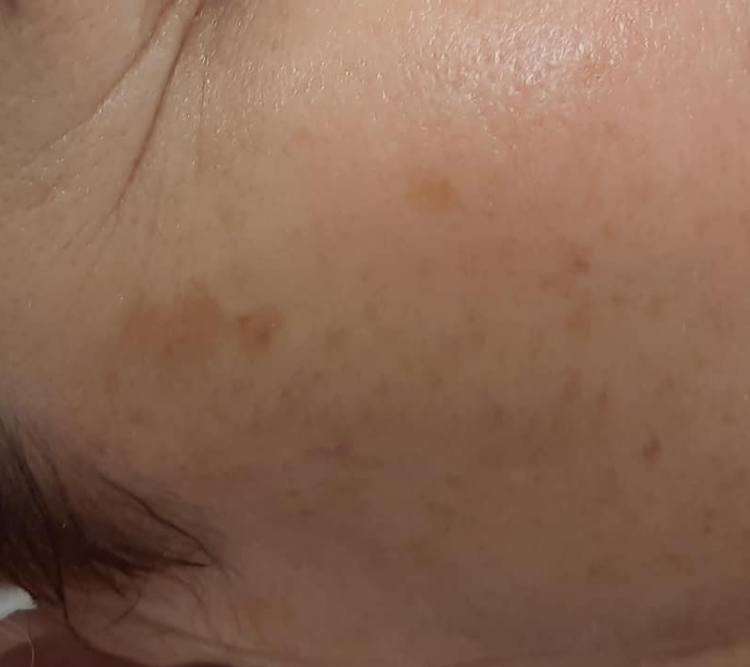
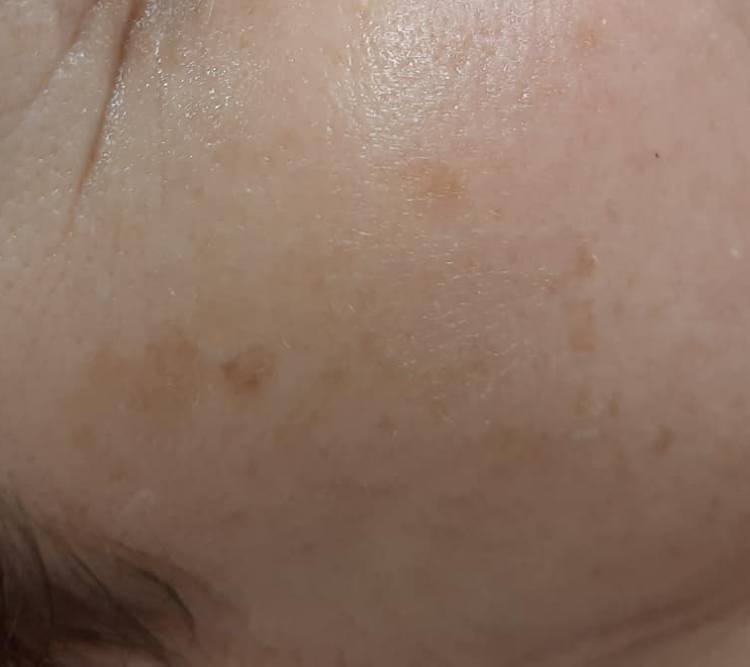
Depigmentation effect after Plant Plasma and PDT Master® treatments and systematic home care with the line’s creams. Growth factors in synergy with laser light not only reduce wrinkles, but also visibly level out hyperpigmentation. Growth factors stimulate skin cells to divide or differentiate and help to maintain skin health.
Creation: Bellezza, Katarzyna Likus, Bolęcin.
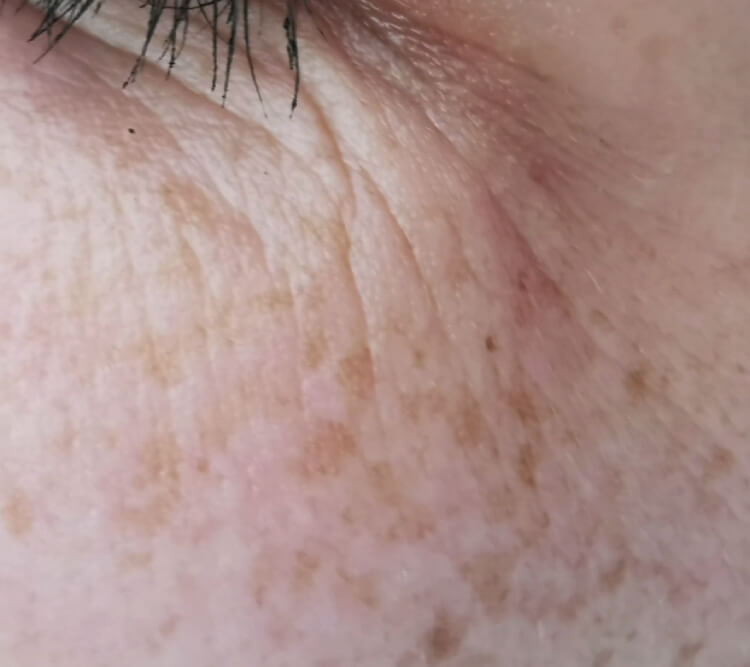
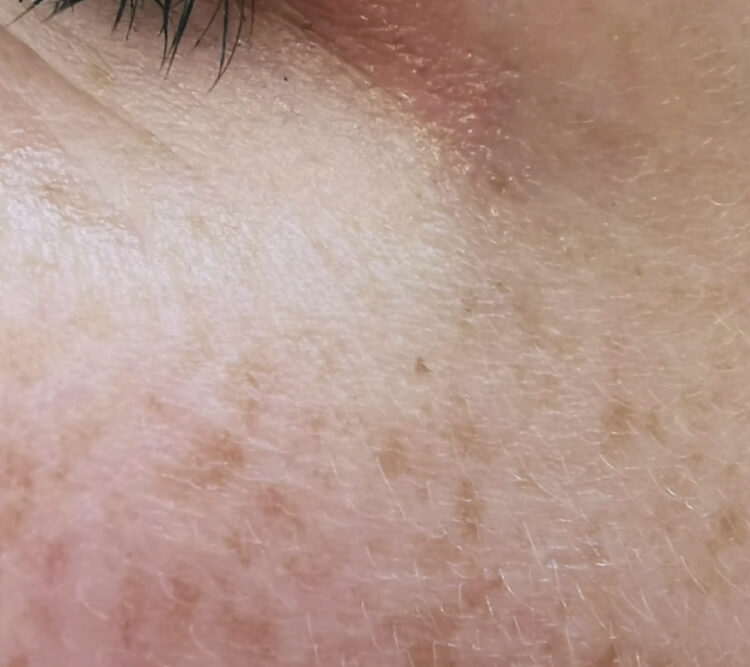
PDT Black Essential – two programmes
Effect after 5 PDT MASTER® laser treatments with Black Essential Lift Oval and Pepto-Hya Wrinkle Filler. Visible brightening and smoothing of the skin around the eyes.
Performed by: Michalina Drygala, cosmetologist, Nottingham, UK .
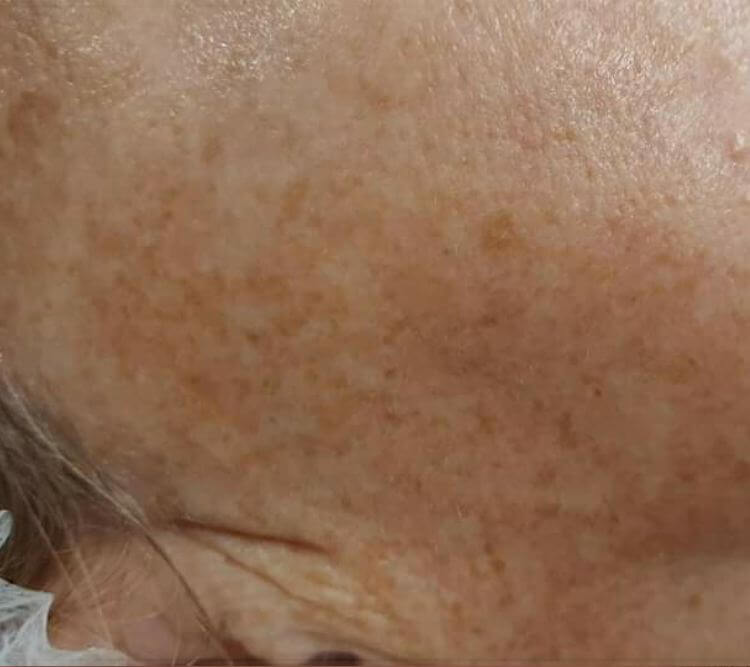
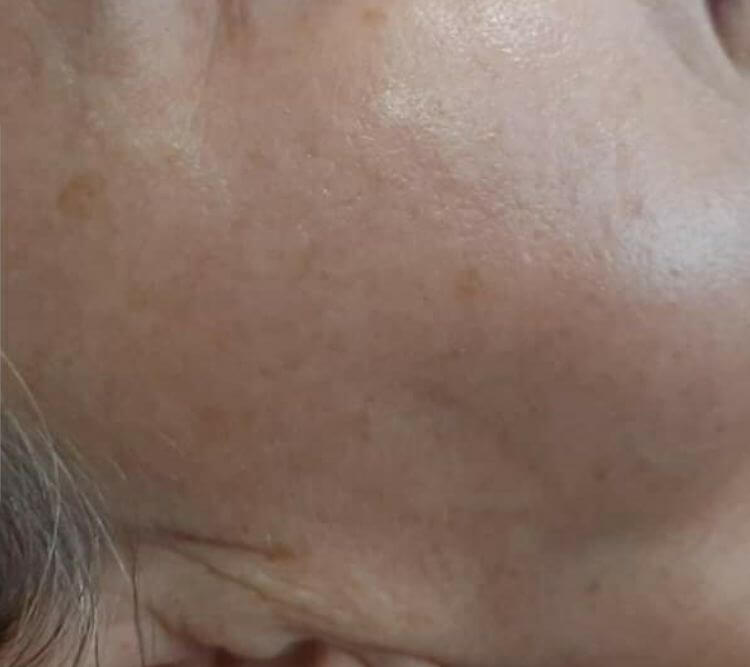
Plant Plasma and PDT Master® give an intensely rejuvenating effect, improving the skin and its most important parameters such as elasticity, density, firmness. Here, the visible effect of brightening spots. This is how effective and multidirectional growth factors work together with laser light. Execution: Bellezza, Katarzyna Likus, Bolęcin.
 dr Khrystyna Shekhovtsova
Chantarelle expert, dermatologist and aesthetic physician