Try our novelties and bestsellers!»



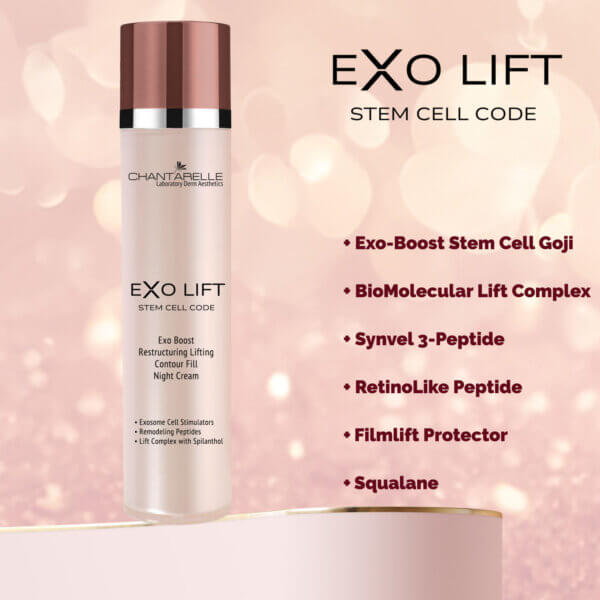
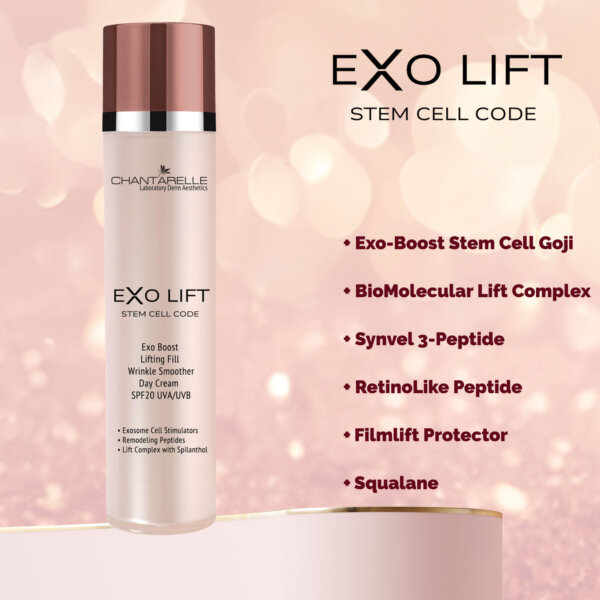
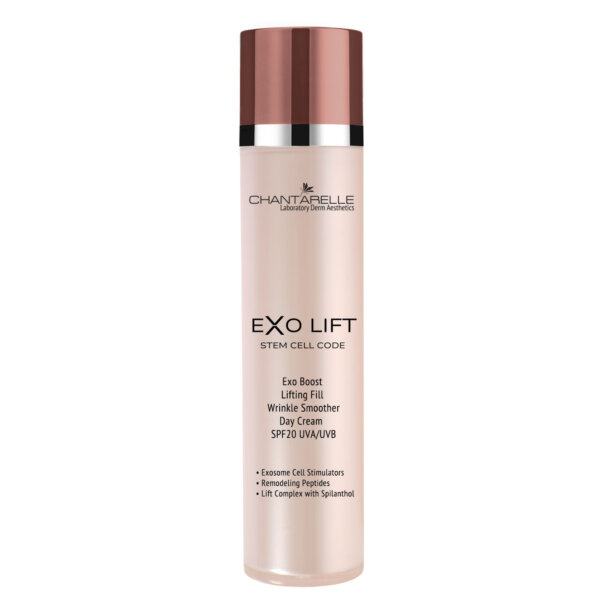 Exo Boost Exo Boost Exo Boost Exo Boost Day Lifting Cream SPF20 UVA/UVB - Exo Boost Exosome Stimulator
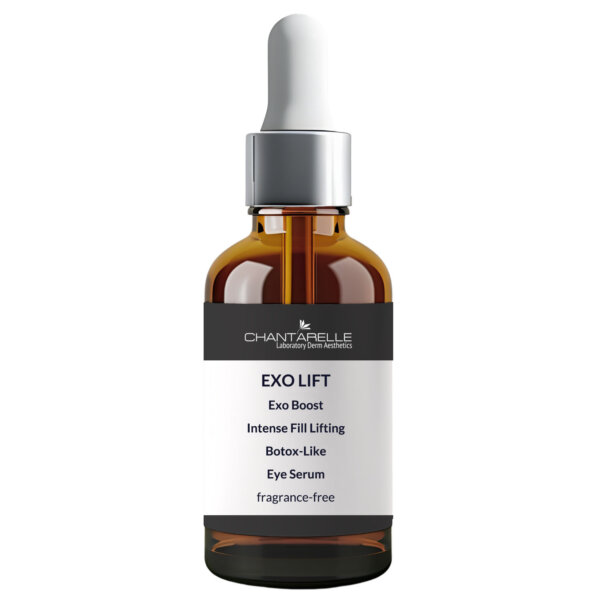
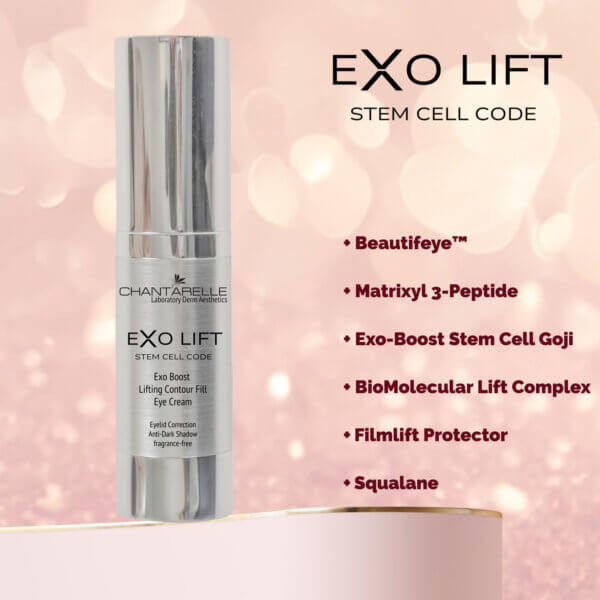
 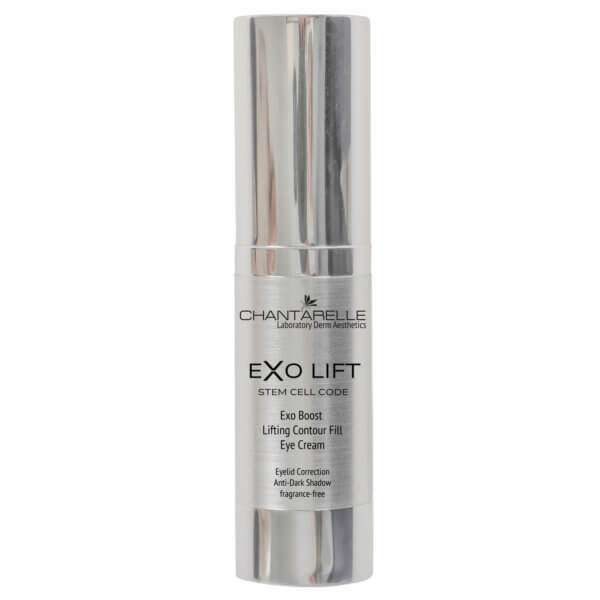 Eyelid and under-eye lifting cream - Exo Boost exosome stimulator, fragrance-free


Cosmetic treatments, Active ingredients in cosmetics, Skin care at home
Cosmetics with hyaluronic acid – application in aesthetic medicine and cosmetology
Nov
Hyaluronic acid is the most important ingredient next to collagen found in the dermis and intercellular space, which is responsible for proper hydration of the skin. Hyaluronic acid can bind almost 250 water molecules. If it becomes deficient, collagen fibres degenerate, wrinkles and sagging appear. Importantly for allergy sufferers, it is rarely allergenic.
However, it is not recommended during pregnancy and breastfeeding, as it has not been tested for this. Hyaluronic acid is also used in ophthalmology, orthopaedics and gynaecology. It is currently extracted from the bacteria Streptococcus equi – the better the technological process for purifying the resulting substance from the bacteria that produce it, the better its quality. Dr Marek Wasiluk wrote an interesting article on the subject on his blog.
The highest amount of hyaluronic acid is during infancy, when the body’s rapid growth takes place. Over the next 25 years or so, its amount is stable to gradually decrease. By the age of 40, the body already has about 50% of the initial number of hyaluronic acid cells.
Hyaluronic acid in aesthetic medicine
Also called the elixir of youth, hyaluronic acid is widely used in cosmetics and aesthetic medicine. It is most often used in gel form, especially for filling wrinkles and modelling the oval of the skin. We can divide the treatments into several categories:
- filling of facial wrinkles and deep furrows (e.g. nasolabial lines)
- modelling in the face, nose, mouth, corners of the mouth, correction of eyebrow lines
- reduction and levelling of dark circles under the eyes, restoration of under-eye defects in the so-called valley of tears
- improving the oval and skin tone on the neck and chin
- improving the overall appearance of the skin on the décolletage, hands, elbows
Hyaluronic acid has a low rate of complications in treatments, but be aware that they can occur. In particular, this concerns the movement of its molecules under the skin and thickening if accumulation occurs.
What are the types of hyaluronic acid?
There are several types of biotechnologically derived hyaluronic acid, depending on particle size, cross-linking and density:
- uncross-linked
- cross-linked
Breakdown by particle size, which significantly affects permeability through the epidermis:
- ULMW – ultramolecular hyaluronic acid with a molecular weight of 3000 – 10000 Da
- LMW – low molecular weight hyaluronic acid 100,000 – 400,000 Da
- HMW – macromolecular hyaluronic acid with a molecular weight of 1.0 – 1.8 million Da
- SLMW – molecular weight less than 10000 Da
- LMW – molecular weight 100,000 – 400,000 Da
- HMW – molecular weight 1.0 – 1.8 MDa.
Chantarelle hyaluronic acid cosmetics contain these types of hyaluronic acid:
Ultra low-molecular hyaluronic acid 5-10 kDa – strongly moisturises, deeply penetrates to increase hydration in the deep layers of the skin. Strengthens the network of collagen and elastin fibres, plumps out wrinkles, smooths skin texture.
Low-molecular hyaluronic acid 50kDa – deeply penetrating, increases hydration of the intercellular substance of connective tissue, strengthens the network of collagen and elastin fibres in the dermis, stimulates self-moisturising mechanisms that stimulate increased skin elasticity and wrinkle smoothing.
Multimolecular hyaluronic acid 1MDa – forms a protective film, increases moisture reserves, reduces transepidermal water loss (TEWL). Protects the skin from dryness and adverse effects of external factors. Gives an immediate sense of proper skin tone and elasticity. Strengthens the network of collagen and elastin fibres, smooths out wrinkles.
Chantarelle cosmetics with hyaluronic acid