Try our novelties and bestsellers!»




-
×
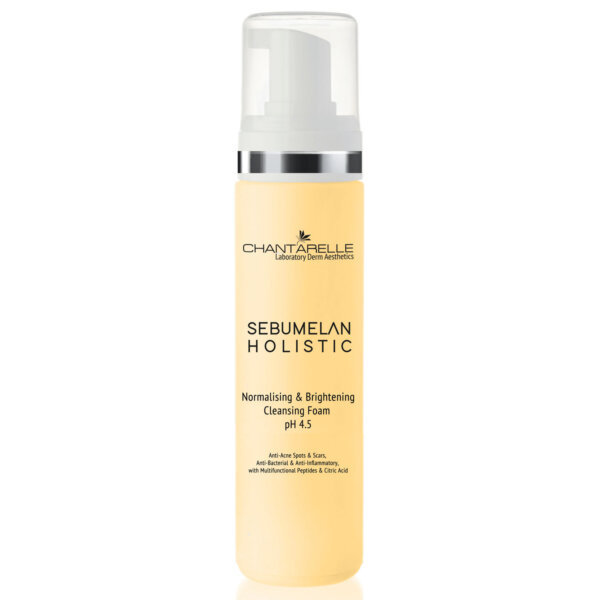 Normalising & Brightening Cleansing Foam with Citric AcidCD0126Linia: Sebumelan Holistic1 × £ 37,00
 -
×
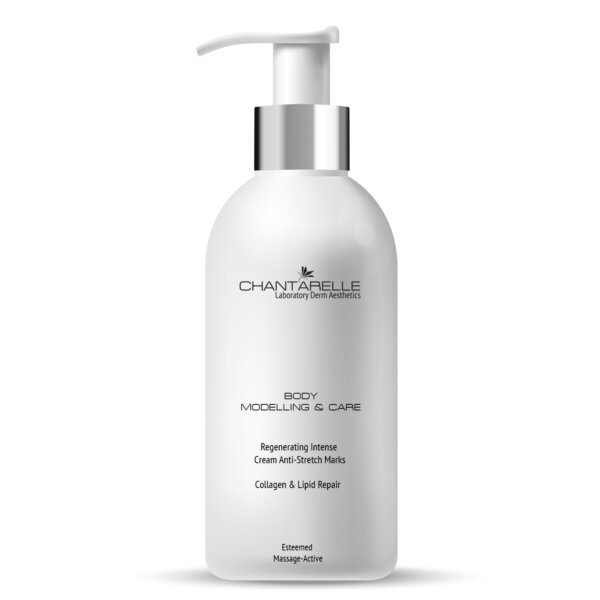 Anti-Stretch Marks Intense CreamCD2002Linia: Body Modelling & Care1 × £ 67,00
 -
×
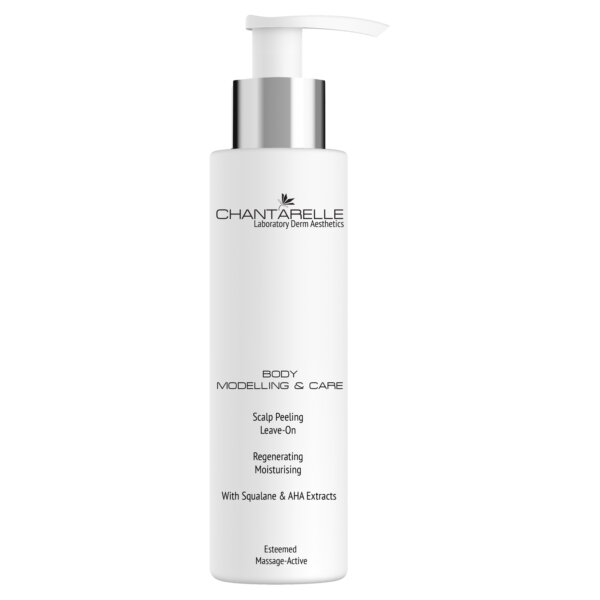 Scalp Peel with Squalane and Organic AHA AcidsCD0423Linia: Body Modelling & Care1 × £ 56,00
 -
×
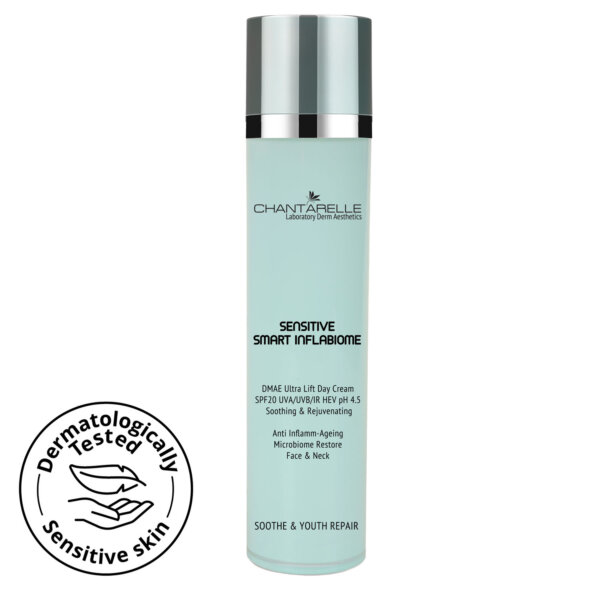 Anti-Inflammatory Day Cream SPF20 Sensitive SkinCD1481Linia: Sensitive Smart Inflabiome1 × Original price was: £ 55,00.£ 49,00Current price is: £ 49,00.
 -
×
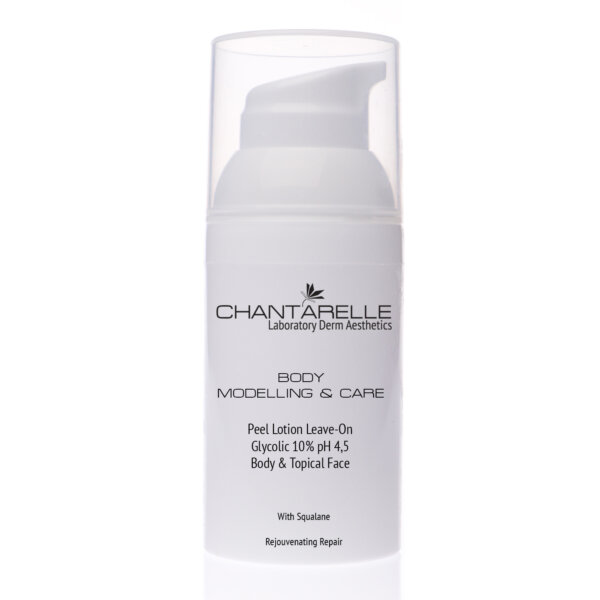 Glycolic Peel 10% pH 4,5 with SqualaneCD2003Linia: Body Modelling & Care1 × £ 46,00
 -
×
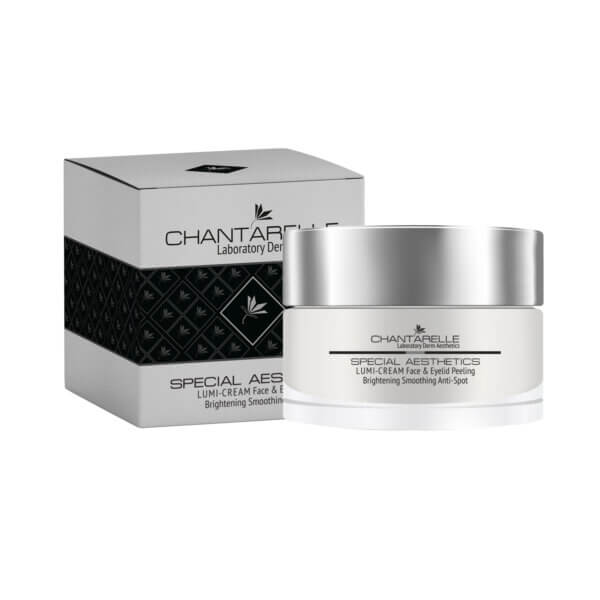 LUMI-CREAM Face & Eyelid Brightening PeelingCD0413Linia: Special Aesthetics1 × £ 31,00
 -
×
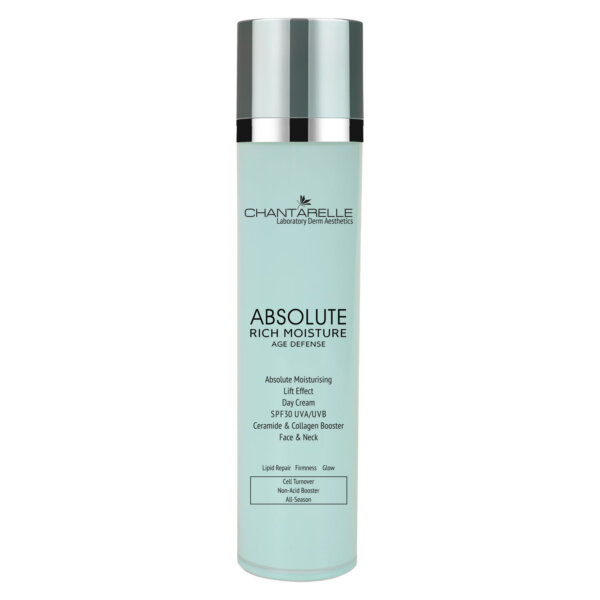 Moisturizing Day Cream SPF30 with Lifting HydroxyprolineCD1478Linia: Absolute Rich Moisture1 × Original price was: £ 56,00.£ 51,00Current price is: £ 51,00.


Dermatology, Skin care at home, Tips
Why does the skin need sun protection?

25
Aug
Aug
Dla proper functioning of the bodyhuman beings need small doses of UV radiation. A few minutes of sun exposure per day is sufficient for our health, but we are usually under direct sunlight for much longer.
Ultraviolet radiation – electromagnetic radiation, occupying a wide range from visible light to X-rays.
Range of UV radiation:
- UVA (320 to 400 nm)
- UVB (280 to 320 nm)
- UVC (100 to 280 nm)
Positive and negative role of UV radiation
The role of UV radiation in vitamin D synthesis and calcium metabolism has been demonstrated. UV irradiation has another important effect – it promotes photolysis of folic acid, which affects human reproductive function and embryonic development. Overexposure to UV radiation leads to a number of dangerous structural and functional changes in the skin, which can be divided into acute and chronic. Acute side effects include tanning, skin thickening and sunburn. Chronic ones include premature skin ageing and malignant cellular degeneration. When sunlight penetrates the skin, it acts on several layers simultaneously – the epidermis and the dermis. The epidermis is made up of tightly packed keratinocyte cells, the building block of our skin, which protects it from the environment. The melanocyte cells are located in the lower part of the epidermis (in the basal layer of the epidermis). This layer produces the pigment melanin, which is responsible for the colour of the skin. Light-skinned people have little melanin, while dark-skinned people have a lot.
Melanin is an umbrella for UV rays
Melanin has various functions in the skin, one of which is to protect against the sun’s harmful rays. When UVB rays from the sun penetrate the epidermis, melanin takes over and melanocytes begin to produce more pigment. The skin gradually begins to darken, i.e. a tan is produced. But if the radiation is too intense or prolonged and there is little melanin in the skin, then the keratinocytes begin to die, the inflammatory response is triggered, the blood vessels dilate and a sunburn develops.
Effects of sunburn on skin cell health
Excess sun adversely affects the function of the epidermis and dermis, namely:
- The number of Langerhans cells decreases and the length of appendages (dendrites) decreases with increasing UVB. Langerhans cells – the defensive cells of the skin, responsible for the proper functioning of the immune system.
- UVA increases the number of cells.
- UVAs increase the synthesis of matrix metalloproteinases and collagenases – enzymes that destroy collagen and elastin.
- Sunburn reduces the number of vitamin A receptors.
- Sunburn contributes to the oxidation of vitamin C.
- Sunburn promotes lipid peroxidation.
Difference between UVB and UVA damage to skin structures
| Promieniowanie UVB (280-320 nm) | Promieniowanie UVA (320-400nm) |
| Direct effects on the genome | Direct effects on the genome |
| Severe photodamage to skin – burn | Generates free radicals |
| Stimulation of oncogenesis – the process leading to cancer | Prolonged skin photodamage – photoaging |
Effect of UV radiation on the skin
- Deterioration of the epidermis
- Improper breakdown of melanin
- Diminished protective function of the skin barrier
- Increased TEWL
- Destruction of collagen and elastin
- Initiation of photoaging of the skin
Facial skin is constantly exposed to the sun’s rays, so it is essential to apply sunscreen daily.
What does the SPF rating mean?
The SPF rating indicates the sun protection factor, i.e. it indicates how long it will delay the sunburn on the skin compared to skin without the cream applied. For example, let us analyse a cream with SPF15 protection. Skin without the protective cream applied will be reddened after 10 minutes of exposure, while skin protected with SPF15 cream will be reddened after 150 minutes.
Learn about the UV index
| UV Indeks | Opis | Represented by colour | Rodzaj ochrony | |||
| 0–2 | No risk | Green | Recommended sunglasses if you have sensitive eyes or the snow reflects the sun’s rays. | Recommended sunglasses if you have sensitive eyes or the snow reflects the sun’s rays. | ||
| 3–5 | Moderate risk when exposed to the sun for long periods of time | Yellow | Recommended sunglasses, body and head clothing protection. Avoid being in full sun when radiation is strongest. | Removable sunglasses are recommended. | ||
| 6–7 | High and very high risk during prolonged exposure to the sun | Orange | Recommended sunglasses, creams with SPF 15 or higher, body and head protection with light-coloured clothing. It is necessary to limit the time spent in the sun (from about 11:00 to 16:00 in summer). | Reduced sun exposure. | ||
| 8–10 | Very high risk when out in the sun | Red | Recommended protection as above. In addition, skin uncovered by clothing should be very carefully protected as rapid tanning or burning may occur. | Red | Red | Red is recommended as above. |
| 11+ | Extreme danger while in the sun | violet | All methods of protection should be used: sunglasses, high SPF sunscreen, protective clothing. It is essential to limit the time spent in the sun. |
How to properly apply cosmetic products with SPF protection
-
- Determine how high the UV index is. The easiest way to check this is in the app or on any weather website. If the index value is 3 or higher, protection is required.
- If the index value is 3 or higher, protection is required.
- There is no one special technique for applying sunscreen. The most important thing is to apply it in sufficient quantity. This is two milligrams per square centimetre of skin.
- Before applying the main sunscreen product, all previous skincare products must be completely absorbed into the skin, or you use a day cream that already has SPF protection included
- On the beach, when walking or playing sports in full sun, it is recommended to renew the cream every two hours.
 dr Khrystyna Shekhovtsova
Chantarelle expert, dermatologist and aesthetic physician
Literature:
- Bailey E, Sober A, Tsao H, Mihm MJ, Johnson T. Cutaneous melanoma. In: Goldsmith L, Katz S, Gilchrest B, Paller A, Leffell D, Wolff K, editors. Fitzpatrick’s Dermatology in General Medicine. New York: McGraw-Hill; 2012.
- Kasparian NA, Butow PN, Meiser B, Mann GJ. High- and average-risk individuals’ beliefs about, and perceptions of, malignant melanoma: an Australian perspective. 2008;17(3):270–279.
- Hirst NG, Gordon LG, Scuffham PA, Green AC. Lifetime cost-effectiveness of skin cancer prevention through promotion of daily sunscreen use. Value Health.2012;15(2):261–268.
Chantarelle cosmetics with UVA/UVB protection
New
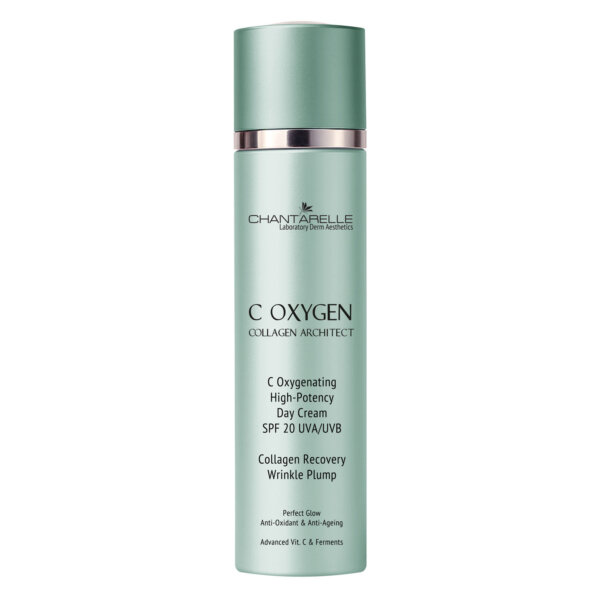
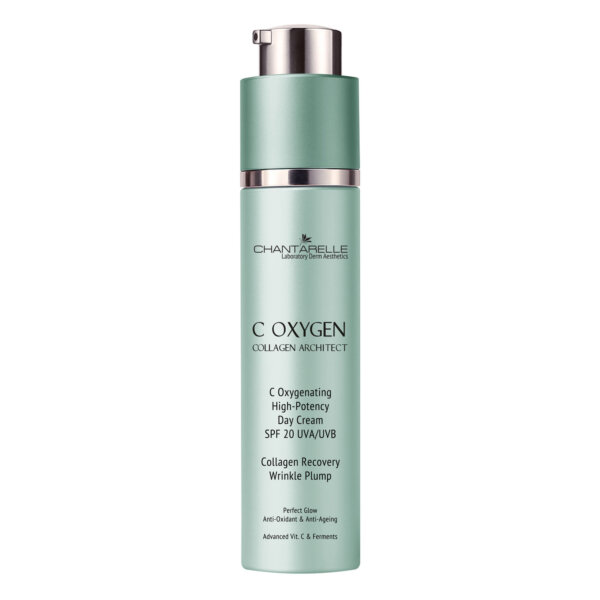
Out of stock
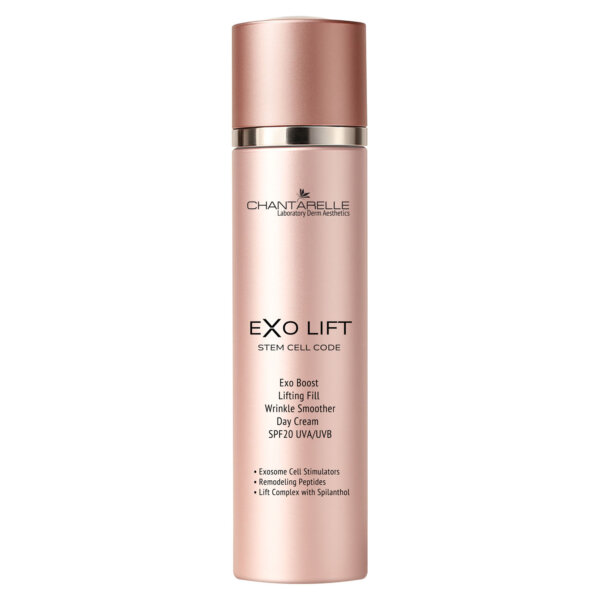
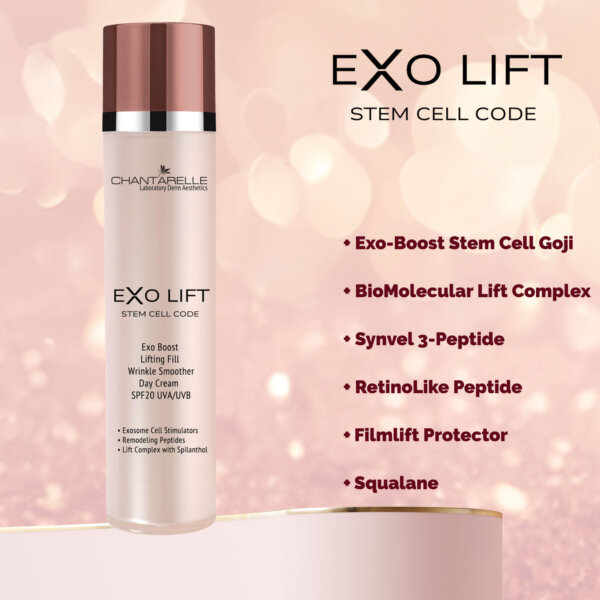
Sale!
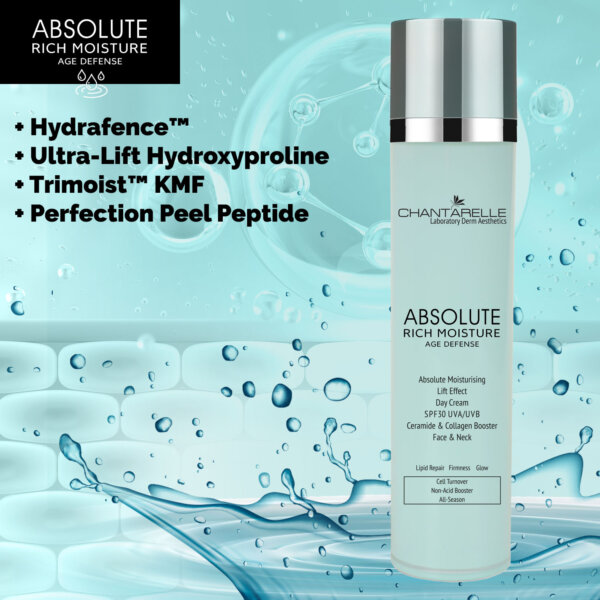
Sale!
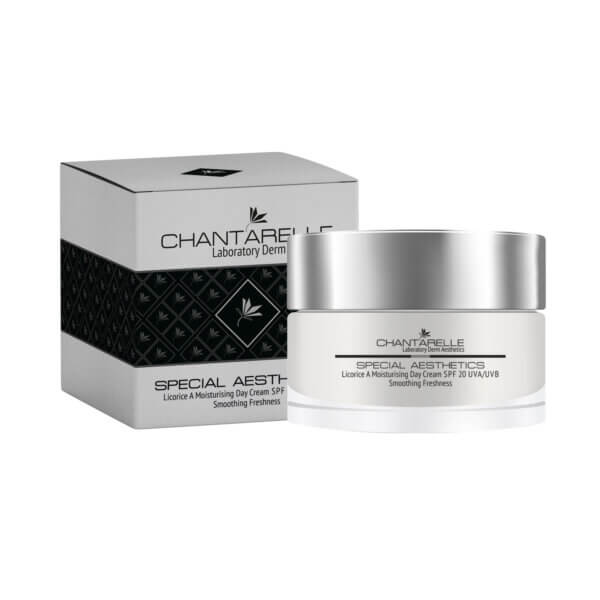
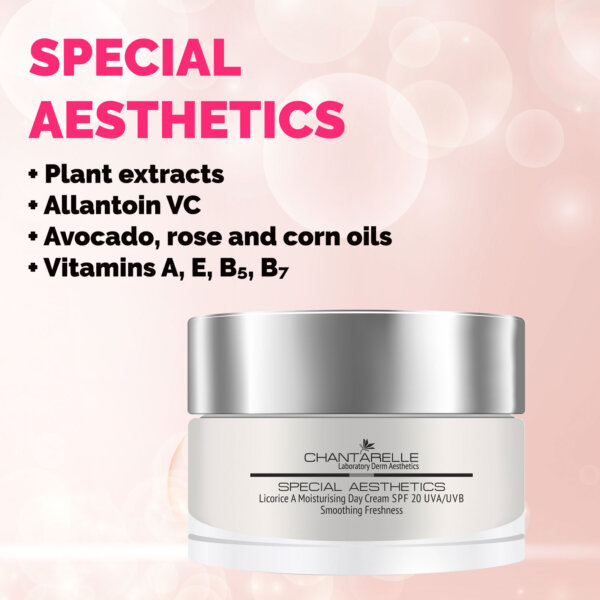
Out of stock
Sale!