Try our novelties and bestsellers!»






Active ingredients in cosmetics, Aesthetic cosmetology
Powerful anti-wrinkle peptide Matrixyl 3-Peptide

Jan
The changes that occur over time are natural – which is not to say desirable. However, it is worth learning about them to find out how they occur and whether we can stop or even reverse them.
How does the skin age?
Chronological and externally induced ageing processes cause both the dermis and epidermis to become thinner, due to a reduced number of fibroblasts and mast cells. The structure of skin proteins such as collagen and the proportions of collagen types are also altered. Pigmentation changes and changes in skin structure and mechanical properties also occur. The reduction in skin elasticity is due to the fragmentation of collagen and elastin fibres, so that they lose their original properties. As a result of ageing processes, glycosaminoglycans (GAGs), among them hyaluronic acid, are also adversely affected. These compounds have a huge impact on the structure and appearance of the skin, and the ability of GAGs to bind significant amounts of water makes the skin firm, soft and adequately hydrated. A number of studies suggest that the content of GAGs and, in particular, hyaluronic acid in the skin is reduced as a result of photo-ageing processes. The result of these changes is a deterioration in the appearance of the skin, manifested by decreased elasticity and the appearance of wrinkles. The natural question is – can we counteract these changes? Daily skin care and proper sun protection are important. However, this will not reverse changes that have already occurred. Delivering high molecular weight substances such as proteins or polysaccharides, for example hyaluronic acid through the skin is also not possible. Do we then have no way of reversing the ageing process and reducing its effects?
Peptides – an effective rejuvenating ingredient
Thanks to scientific research, we have innovative substances with proven efficacy and safety. Instead of supplementing missing ingredients, we can use substances that stimulate regenerative processes in the skin and trigger skin reconstruction. Such substances include peptides, which are increasingly used as advanced active ingredients in cosmetic products thanks to their ability to precisely influence processes in our bodies. Cosmetic peptides fall into three main categories: neurotransmitter inhibitors, carrier peptides and signal peptides. Signal peptides carry information and allow the activation of vital processes in cells. For example, they can activate fibroblasts and cause an increase in collagen synthesis or a decrease in the level of degradation of existing collagen by inhibiting collagen-degrading enzymes. Through such activity, peptides help to improve the appearance of the skin by reducing wrinkles caused by chronological and photo-ageing skin processes.
Matrixyl 3-Peptide – targeting wrinkles
Such peptides include Matrixyl 3-Peptide. This peptide increases the production of the main components of the intercellular matrix (collagen I, III, IV, fibronectin, hyaluronic acid and laminin), resulting in smoother skin and a smoothing of wrinkles (Ferreira et al 2020). A number of studies confirm the effective rejuvenating effects of Matrixyl 3-Peptide. In a 12-week study involving 37 women aged 35 to 60 years, all participants indicated a reduction in fine wrinkles over the course of the study, with 97% of participants seeing a reduction in all types of wrinkles by an average of 16.9% (Herndon et al 2015).

Percentage of female study participants in whom wrinkle reduction was observed. (Source: Herndon et al. 2015)
Other beneficial effects of the applied product include a reduction in skin roughness, improved skin tone and appearance. Other studies confirm the efficacy of Matrixyl 3-Peptide in its anti-wrinkle effects, as well as in improving skin hydration and elasticity (West et al. 2021). Matrixyl 3-Peptide restores the skin’s youthful appearance, smoothing wrinkles by rebuilding the dermis. It smoothes it especially where it is most needed – mainly forehead wrinkles and crow’s feet. With the use of peptides such as Matrixyl 3-Peptide, it is possible to improve the condition of our skin in a safe and effective way.
Matrixyl 3-Peptide in Chantarelle cosmetics
This peptide has been used in cosmetic preparations of such lines as:
- Lift Pepetango R – lifting, strongly rejuvenating and modelling skin architecture;
- Nutri Maxx – regenerating, moisturising and nourishing, smoothing out wrinkles;
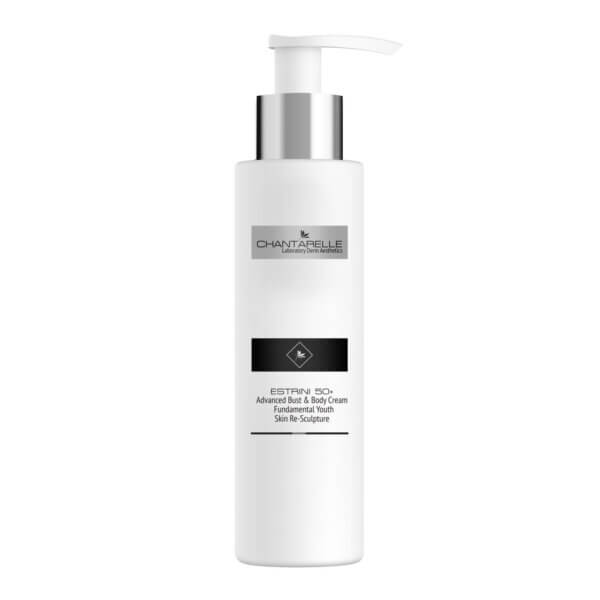
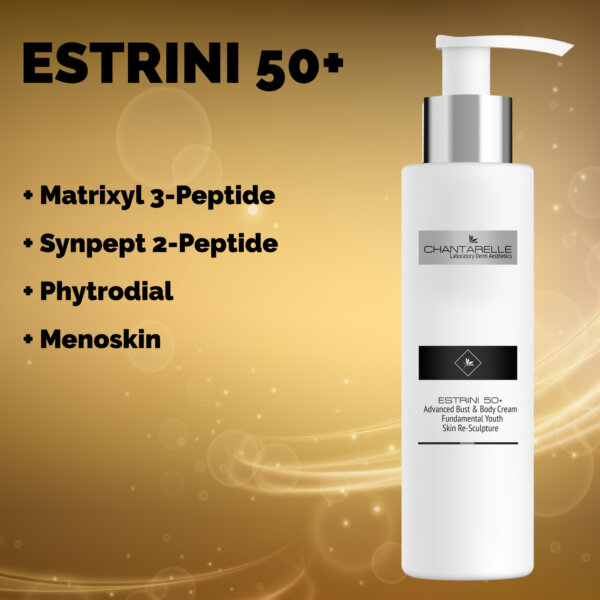
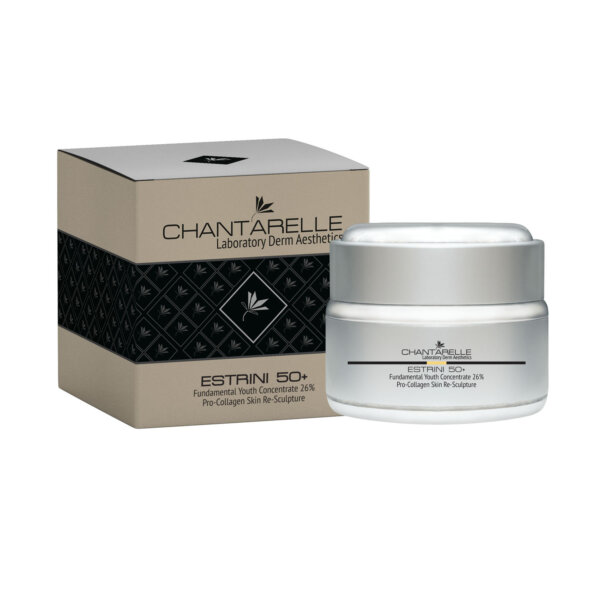
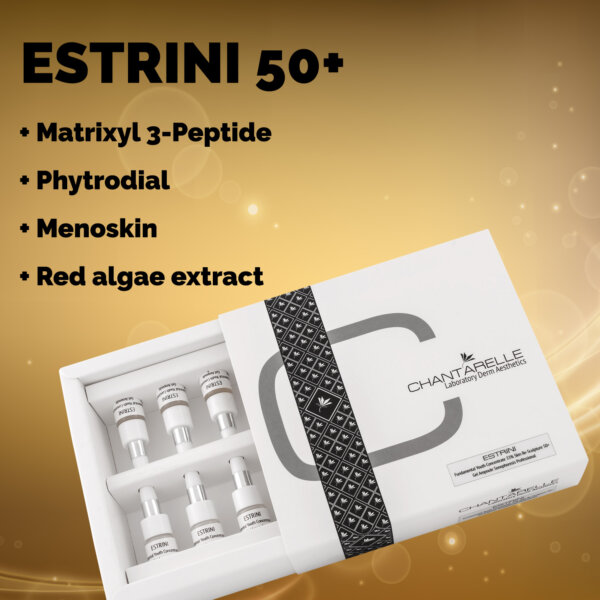
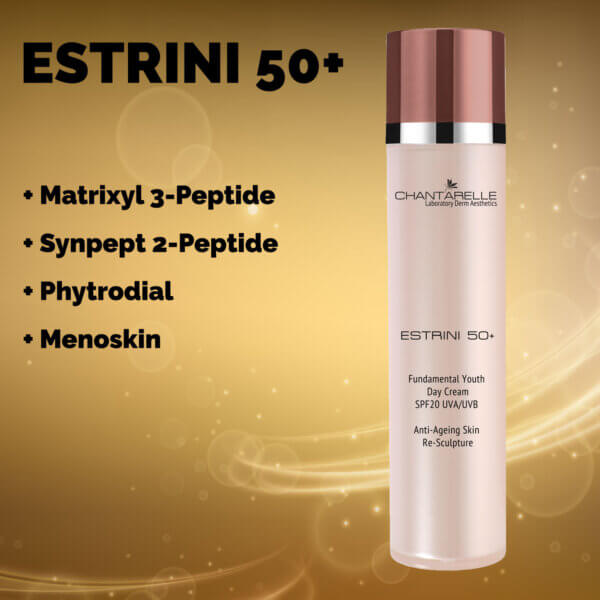
- Estrini 50+ – rebuilding the skin structure of mature women and women with hormonal problems;
- PDT Black Essential – PDT Peptide-Hyaluronan laser treatment for deep and facial wrinkles;
- Thermo-Lifting – thermal lifting and skin contouring kit.
 Dr Marcin Wasylewski
Chantarelle expert, biotechnologist and university lecturer
Literature:
- Ferreira, M. S., Magalhães, M. C., Sousa-Lobo, J. M., & Almeida, I. F. (2020). Trending Anti-Aging Peptides. Cosmetics, 7(4), 91.
- Herndon Jr, J. H., Jiang, L., Kononov, T., & Fox, T. (2015). An Open Label Clinical Trial of a Multi-Ingredient Anti-Aging Moisturizer Designed to Improve the Appearance of Facial Skin. Journal of drugs in dermatology: JDD, 14(7), 699-704.
- West, B. J., Alabi, I., & Deng, S. (2021). A Face Serum Containing Palmitoyl Tripeptide-38, Hydrolyzed Hyaluronic Acid, Bacuchiol and a Polyherbal and Vitamin Blend Improves Skin Quality. Journal of Cosmetics, Dermatological Sciences and Applications, 11(3), 237-252.