Try our novelties and bestsellers!»






Skin care at home, Dermatology, Tips
Acne rosacea – fear of turning red
Mar
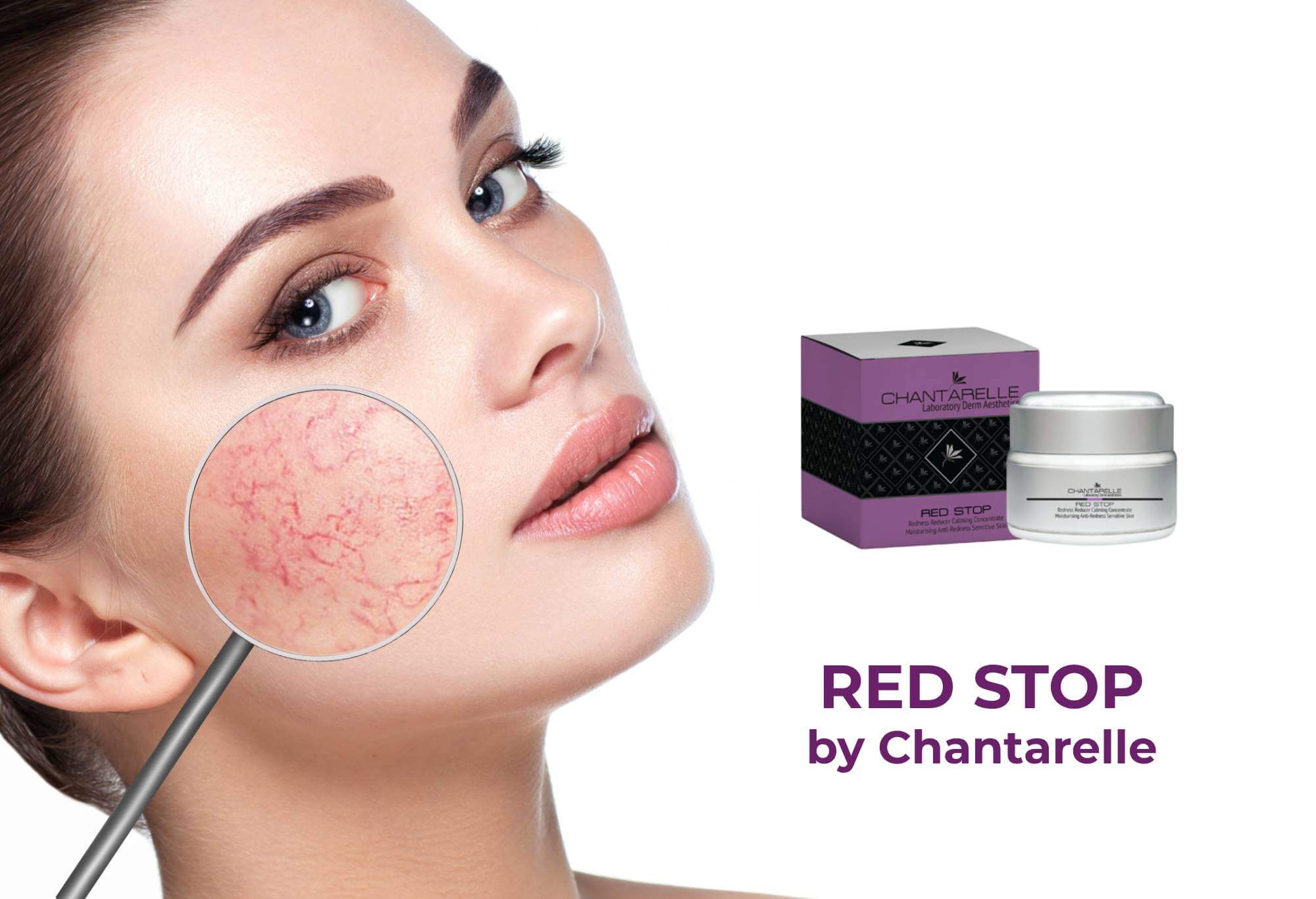
One of the symptoms of rosacea is what is known as paroxysmal flushing. This is a flush that appears on the face in stressful, tiring and emotional situations. Some people are not bothered by this phenomenon, while some are disturbed by it and suffer from various anxieties and additional stress. Psychologists have given this phenomenon the name erythrophobia. It is an unpleasant phenomenon – it covers the whole face, and is felt most strongly on the cheeks, so inevitably it also causes unpleasant experiences and feelings in the area of psyche.
Erythrophobia – the fear of blushing in social situations, i.e. when meeting in smaller and larger groups
There is also a new branch of psychology linked to dermatology – psychodermatology, which studies the relationship between emotions and skin reactions, psychosomatic reactions to various psychological stimuli. It is particularly concerned with situations accompanied by strong emotions, anxiety and obsessive-compulsive behaviour. It is suspected that various psychological factors play a non-negligible role in complex skin diseases such as rosacea, psoriasis, atopic dermatitis and diseases associated with excessive sweating or scratching.
A separate big topic for psychodermatology is alopecia due to very severe stress or trauma. Psychiatrists and psychologists have only begun to take an interest in this topic, and few publications are available in Poland. However, it is a rapidly developing field worldwide, so hopefully it will soon offer patients support and solutions.
How not to blush?
Here are 6 tips on how to cope with an episode of blushing at parties, meetings and other social events:
1. Don’t drink alcohol
2. Every now and then, take an ice cube in your mouth for several seconds
3. Avoid squeezing and crowding, it is better to stay by the door where there is air
4. Don’t stand by the fire and hearth
5. Avoid spicy foods, drink plenty of water if necessary
6. Exit a stuffy room from time to time for fresh air