Try our novelties and bestsellers!»





Active ingredients in cosmetics, Cosmetic treatments, Aesthetic cosmetology
AHA and BHA fruit acids in cosmetic procedures
Jun
AHA and BHA fruit acids are some of the most popular cosmetic acids, so it is worth learning more about them. Fruits and plants contain many valuable ingredients that are often used by cosmetic company laboratories. AHAs (α-hydro acids) are natural acids found in various fruits, vegetables, sugar cane and sour milk. Of the BHA group of acids (beta-hydroxy acids), salicylic acid, which is extracted from willow bark, among other sources, has found a use in cosmetics. AHA and BHA acids are commonly referred to as fruit acids.
History of fruit acids in cosmetics
As early as a few hundred years ago, French women discovered that after washing their face with wine, it was smoother and appeared younger. The first research on AHA acids was carried out in the 1970s by Dr Eugene Van Scott and Dr Ruey Yu, who discovered that α-hydroacids could be used to treat a number of skin conditions. Over the following years, the effects of AHA acids on the condition and state of the skin have been repeatedly confirmed and documented. Salicylic acid was first extracted from the bark of the willow tree (Latin: Salix, hence its name) by a German chemist, Hermann Kolbe .
How do fruit acids work?
Skin problems are often linked to an excessive build-up of a layer of dead cells, leaving the skin thick, grey and dull. AHA and BHA acids help to effectively remove the layer of dead cells from the skin’s surface. This process of exfoliating the thickened skin significantly improves its appearance and texture. The action of the acids is therefore to produce a peeling effect using a product with a slightly acidic reaction. The depth of action of an acid depends on its concentration. Acids with concentrations above 50% produce a deep peeling effect and should be performed under the supervision of an aesthetic physician or dermatologist. Peelings based on fruit acids loosen the bonds between the corneocytes of the stratum corneum, thus producing a strong smoothing and brightening effect.
Effects of treatments with AHA and BHA fruit acids
- stimulation of the skin renewal process by accelerating cell division, resulting in smoothing of wrinkles and furrows
- Hydration by loosening the epidermal bonds
- Hydration by relaxing the epidermal bonds
- brightening effect by even distribution of pigment – AHA acids prevent pigment from clumping into larger structures, thus preventing the formation of discolouration
- improvement in the quality of the skin as the removal of keratinised, dead skin leads to increased cell division in the dermis
- improvement in the condition of oily, acne-prone, seborrhoeic skin after treatment with BHA salicylic acid
AHA and BHA fruit acids – types used in cosmetics
AHA and BHA acids are organic acids containing a hydroxyl group in their structure. Cosmetic laboratories use the following acids, among others:
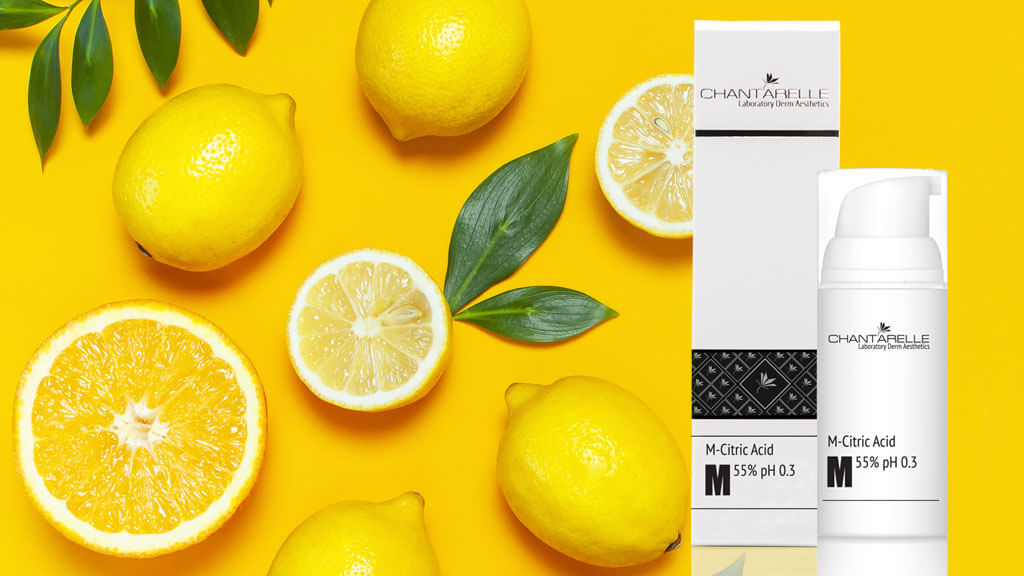
- Citric acid (AHA) is a fruit acid and is mainly found in citrus and other fruits. It has moderately high potency and is a safe substance in cosmetic preparations.
- Glycolic acid (AHA) – a type of acid extracted mainly from sugar cane. Glycolic acid has very small molecules and is the strongest acid of the AHA group. It exfoliates the skin strongly, but can also irritate it, so is not recommended for sensitive, reactive skin.
- Almondic acid (AHA) – produced from bitter almonds. It is an acid with medium exfoliating power and is therefore used for all skin types, even sensitive and irritated skin. It is also often combined with other types of acids for better efficacy.
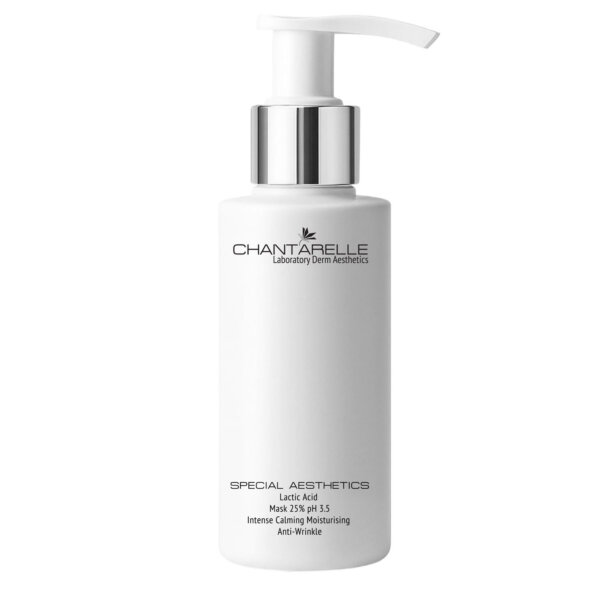
- Lactic acid (AHA) – an acid with medium exfoliating power, derived from milk. Naturally found in buttermilk, yoghurt and sour milk, as well as in pickled vegetables. It has an exfoliating and antibacterial effect, moisturises the skin and strengthens the collagen structure.
- Salicylic acid (BHA) – extracted from the bark of white willow or marsh elm. It is an antibacterial and anti-inflammatory acid. It unclogs the sebaceous ducts, clogged by unabsorbed sebum due to abnormal, excessive keratinisation of the hair follicle mouths. It does not have drying properties, so it also effectively cleanses parts of dry, polluted skin with numerous blackheads.
What are the contraindications to the use of fruit acids?
AHA and BHA fruit acids are not used in treatments for every skin type. Before performing treatments based on them, the beautician will eliminate possible contraindications. Main contraindications for fruit acids:.
- irritated, damaged skin (abrasions, cuts)
- skin lesions (eczema, ringworm, psoriasis, herpes, rosacea)
- sensitive skin – note applies to certain types of acids
- hypersensitivity to active ingredients of preparations
Fruit acids should not be used in summer on very sunny days. Skin lacking the top horny layer is more prone to irritation, burns and the formation of discolouration. Acid-based peels are mainly worth applying from autumn to spring, but it is always worth remembering to use sunscreen with high UVA/UVB filters.
AHA and BHA fruit acids in cosmetic treatments and home care
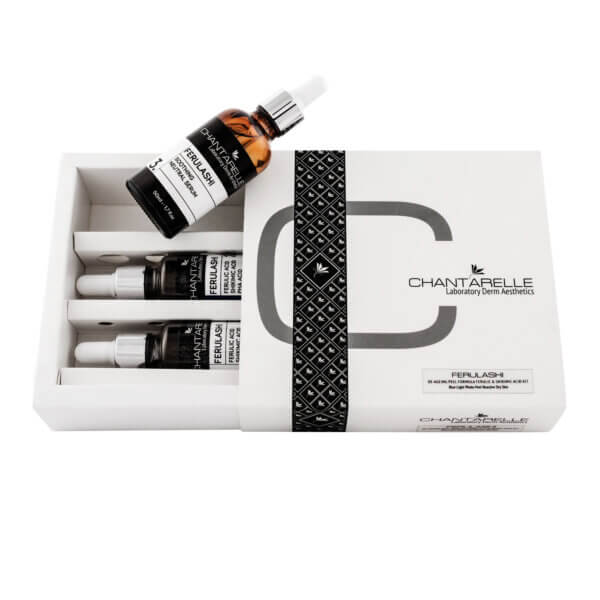
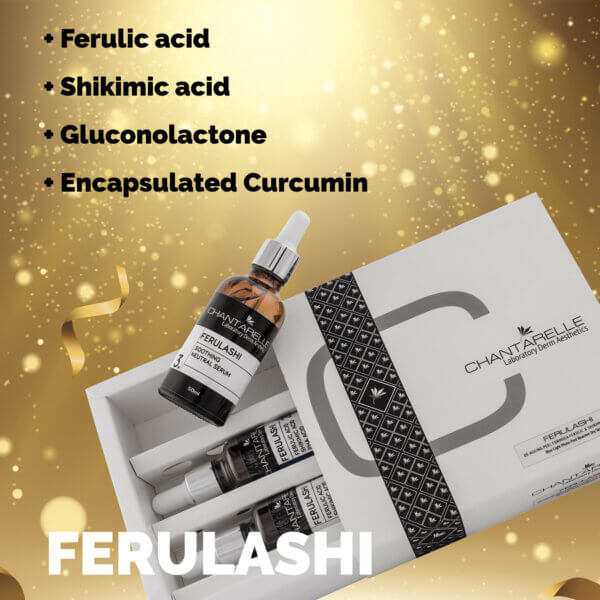
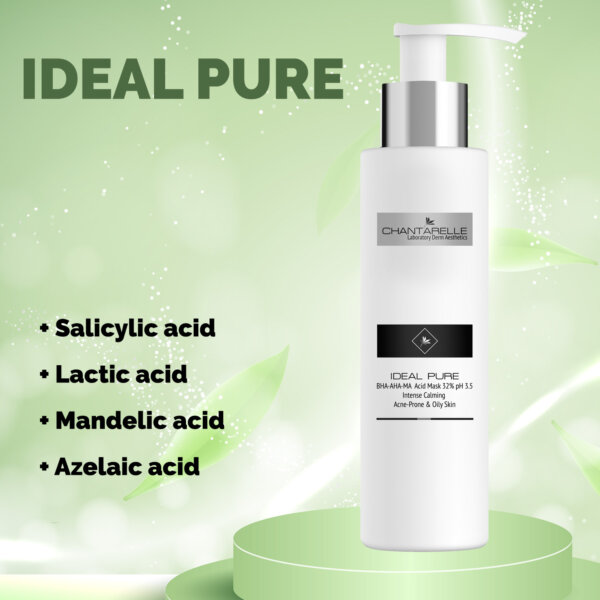
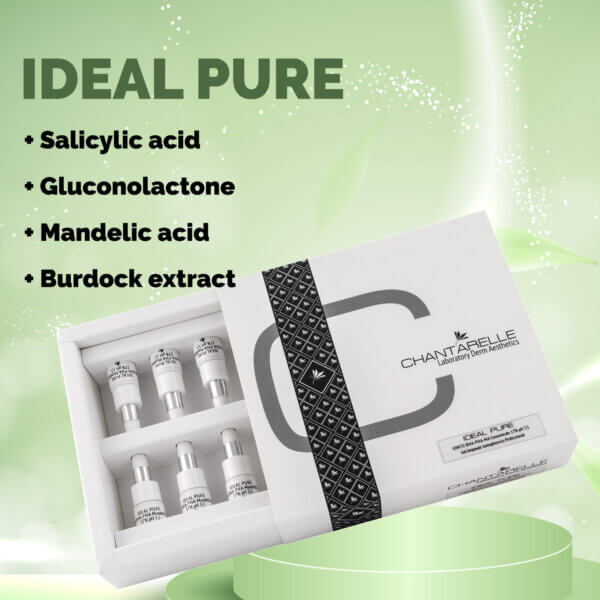
Chemical peels with AHA and BHA acids are the ideal dermocurations for people who would like to rejuvenate and regenerate their skin, reduce imperfections such as hyperpigmentation, acne scars or smooth out wrinkles and fine lines. If you want the best results, it’s worth going to a beauty salon where a beautician will be able to choose the best type of acid peel for your skin type and needs. Chantarelle offers a wide range of acid treatments for beauty salons for different skin types. We also offer special preparations for home care with selected AHA and BHA acids.
Chantarelle cosmetics with fruit acids