Try our novelties and bestsellers!»




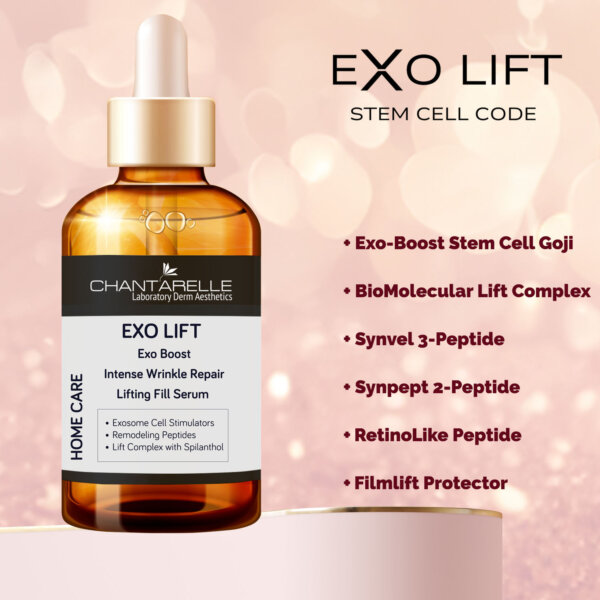
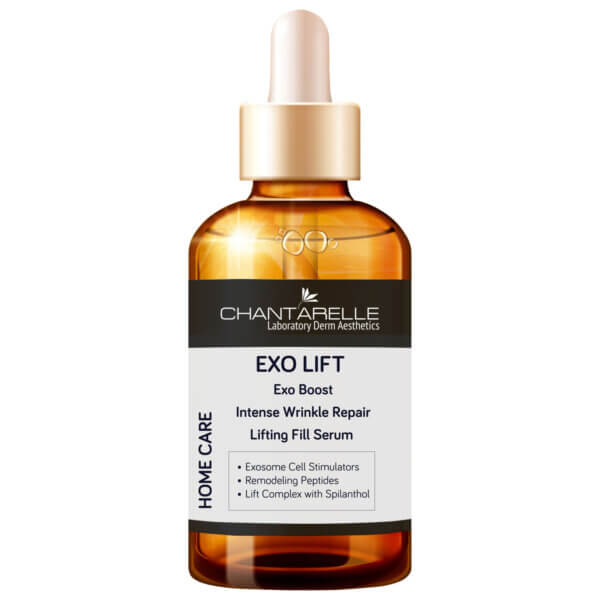 Lifting Serum with Exosomes and Peptides

Active ingredients in cosmetics
Algae – treasures of the seas and lakes in cosmetics
Apr
For centuries, we have been using ingredients from the bottom of seas and lakes in medicinal preparations, food products and cosmetics. It is worth reaching for them because of the many valuable ingredients they contain. We present the most commonly used ingredients of this type – algae.
The name algae is a polonised form of the Latin name algae, used to describe tissueless organisms living in bodies of water whose bodies are made up of a mollusk. In contrast, the Polish botanical name is algae. They are found in both fresh and salt water, lakes, rivers, seas and oceans. The large-cellular moulds attached to the bottom of a body of water can measure a few millimetres or can reach a size of several or even several metres. Large algae are called seaweeds. They have the ability to absorb various substances from their surroundings and are thus an important factor in regulating water bodies. Algae for medicinal and cosmetic purposes are specially cultured in clean reservoirs (usually in Japan, California, Hawaii). Algae contain ten times more micronutrients than land plants and a comparable amount of vitamins. Due to their specific structure, the trace elements contained in algae easily penetrate the lipid barrier of the epidermis. Algae from the seas and oceans are the most valuable, as salt water is rich in minerals that are easily absorbed by aquatic plants. Algae are a rich source of vitamins A, C, E, B₁, B₂, B₅, B₁₂, D, H, K, PP, folic acid and microelements: iodine, calcium, iron, manganese and copper. They also contain: proteins (proteins), lipids, polysaccharides, polyphenols, β-hydroxy acids, phytoestrogens.
What algae are known to us?
We divide algae by colour into three main groups. Their colour is natural and depends largely on the depth at which they grow and the amount of sunlight that reaches them.
- red algae – crayfish coloured with red phycoerythrin;
- green algae – green algae, stoneworts and euglenins, in which the main pigment is green chlorophyll;
- brown algae – chrysolites, tocoliths, brown algae, which contain green chlorophyll, yellow xanthophyll and brown fucoxanthin;
Algae in cosmetics
Algae are an extremely valuable cosmetic raw material with versatile applications. Cosmetics, created on their basis, support the hydro-lipid barrier of the skin, prevent the action of negative external factors and excessive water loss. They strengthen sensitive skin prone to irritation or dilated capillaries. By providing the skin with essential nutrients, they have a rejuvenating and regenerating effect. They regulate sebum secretion, have antibacterial, antiviral and anti-inflammatory effects. They have cleansing and brightening properties. For obesity and cellulite problems, they improve microcirculation, promote cellular metabolism and thus accelerate fat burning.
Crowdweed
Carrageenan, a red alga (Chondrus Crispus) contains carrageenan and mineral salts. It has a moisturising effect, reduces transepidermal water loss, forms a polysaccharide film on the skin’s surface, smooths the skin and facilitates skin regeneration. Carrageenan is a plant silicone that forms a thin film on the skin surface. This non-occlusive polysaccharide film binds to epidermal proteins and forms a ‘second’ layer of skin. It effectively protects against water loss (TEWL). Minerals (especially calcium and magnesium) strengthen and stimulate keratinisation, enhance the skin’s resistance to environmental factors – detergents, UV radiation, irritants, pollution.
Coral algae
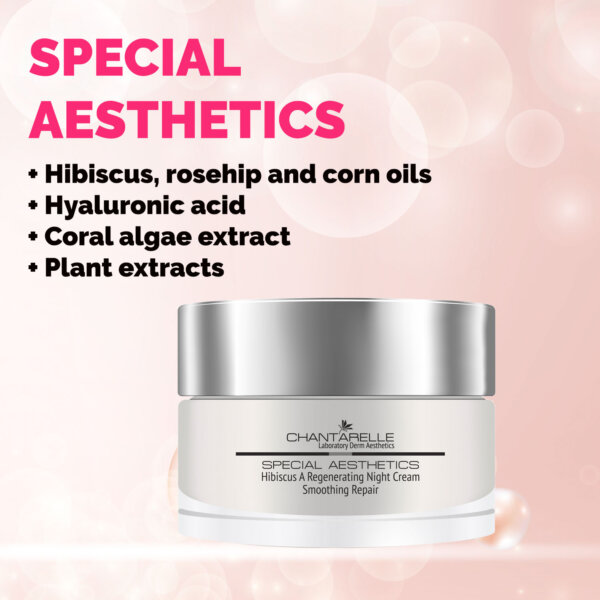
A natural extract of red algae (Corallina Officinalis) produced using microwave technology. The red alga has a calcium skeleton similar to coral, hence its name plant coral. The extract is rich in marine trace elements: potassium (K), magnesium (Mg), zinc (Zn), manganese (Mn) and calcium (Ca). Coralline algae can concentrate up to 200,000 times more of the listed trace elements present in seawater. These minerals are essential for cellular communication and maintain the hydrolipidic balance of the skin, providing elasticity and hydration. Studies also show the antioxidant and antimicrobial properties of coralline algae. At the same time, it stimulates the skin’s metabolic processes, strengthens blood vessel walls and increases resistance to external factors. Algae also supply the skin with proteins, minerals and amino acids. They are an important element of the NMF (Natural Moisturizing Factor) natural moisturising, elasticising and smoothing factor found in the stratum corneum.
Spirulina Pacifica
A green alga farmed in Hawaii, Spirulina pacifica is a variety of the alga Spirulina maxima. Thanks to its wealth of ingredients, it is considered one of the ‘sources of beauty’ by the native Hawaiians and is called green gold. It contains proteins, vitamins, minerals and lipids that work to tighten, shape and soothe the skin. It visibly reduces wrinkles, also has a strengthening effect on vascular walls, stabilises the water-lipid balance and evens out colour. It also has immunostimulating, strongly anti-radical and protective properties.
Green algae
Green alga (Ulva Lactuca) – moisturises, nourishes and regenerates the skin and stimulates the synthesis of collagen fibres. It has an antioxidant effect and boosts vitality, adds radiance and fresh colour. It soothes irritation and has an anti-inflammatory effect and tightens dilated pores.
Brown algae
Bladderwrack (Fucus vesiculosus) – influences the metabolism of fats in cells by reducing their production in the sebaceous glands. It has moisturising properties and helps to combat moisture loss. The antioxidant potential of hake extract and the antioxidant action of brown algae have also been demonstrated. This action may help to treat inflammatory processes.
Algae Marine Biome Complex
Extracts of 5 species of marine algae Spirulina, Ascophyllum Nodosum, Laminaria Digitata, Fucus Vesiculosus and Nori, which are a source of valuable detoxifying, oxygenating, hydrating and revitalising ingredients. They protect against moisture loss and harmful environmental factors.
Blue bio-retinol
The plant equivalent of retinol. Extracted from specific unique blue endemic microalgae (of the Cyanophyta group) growing in the waters of Klamath Lake located at 1,300m above sea level in southern Oregon. Extracts from this micro-organism, known as ‘blue retinol’, show retinoid-like effects without side effects. The effects of this action are the reduction of wrinkles and smoothing of the skin. It is characterised by a very high content of proteins, lipids and liposaccharides, vitamins – especially B vitamins, amino acids and specific pigments that give the extract its original blue colour. Blue retinol, like retinol, influences the differentiation of keratinocytes towards smoothing and increasing epidermal density, but does not cause any negative effects due to retinol accumulation in the tissues.
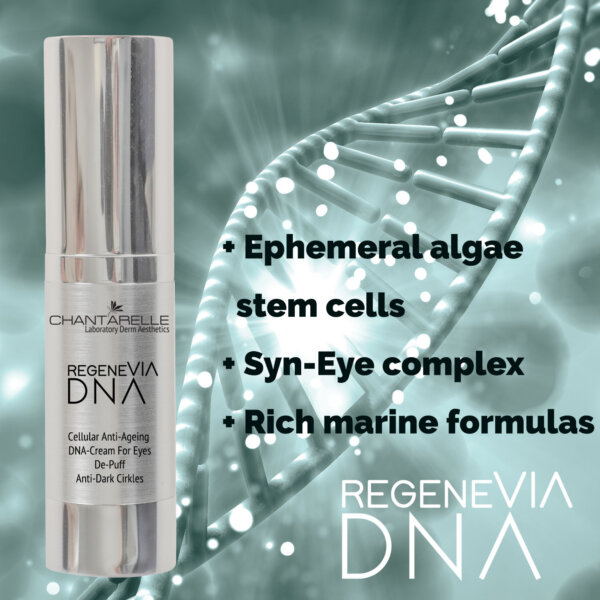
Ephemer™
Ephemeral algal cells – a discovery of modern cosmetology with exceptional rejuvenating power. Obtained using the world’s first cell culture technology reproducing the natural conditions of the oceans. The innovative culture method makes it possible to capture their best properties for skin renewal, which are ephemeral in ocean conditions. They protect against oxidative damage, stimulate the synthesis of ‘longevity’ enzymes – SIRT1.
- Provide cells with energy for powerful revitalisation.
- Act as an immediate and long-lasting antioxidant.
- Improve energy metabolism and stimulate regeneration.
Algae in Chantarelle cosmetics