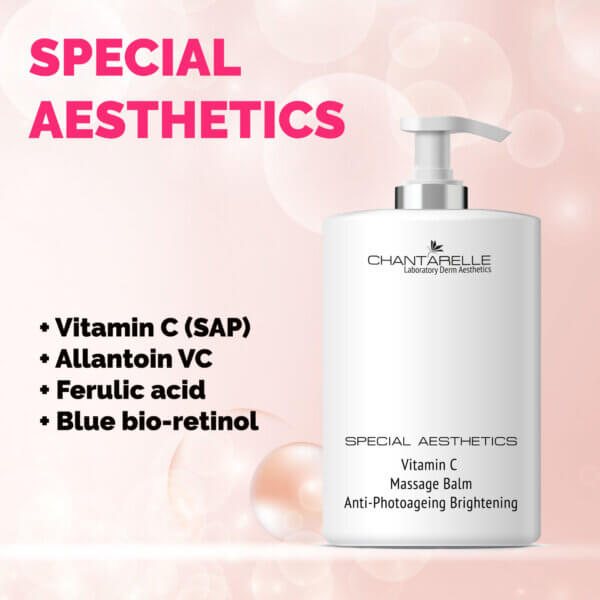
Try our novelties and bestsellers!»




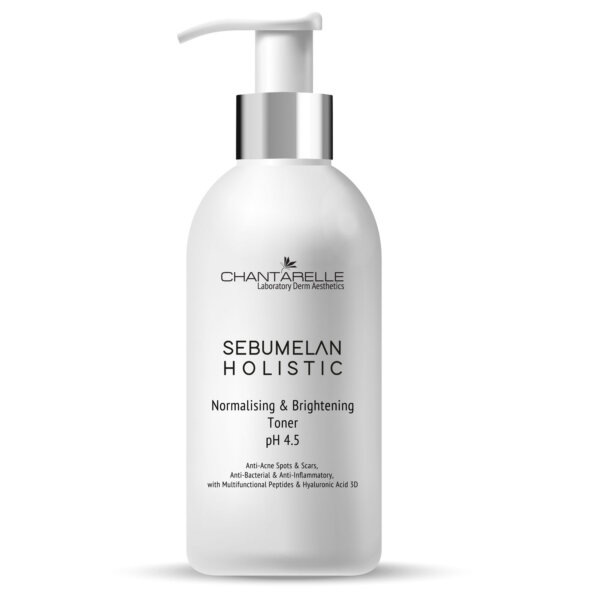 Normalising & Brightening Toner with Senolytics
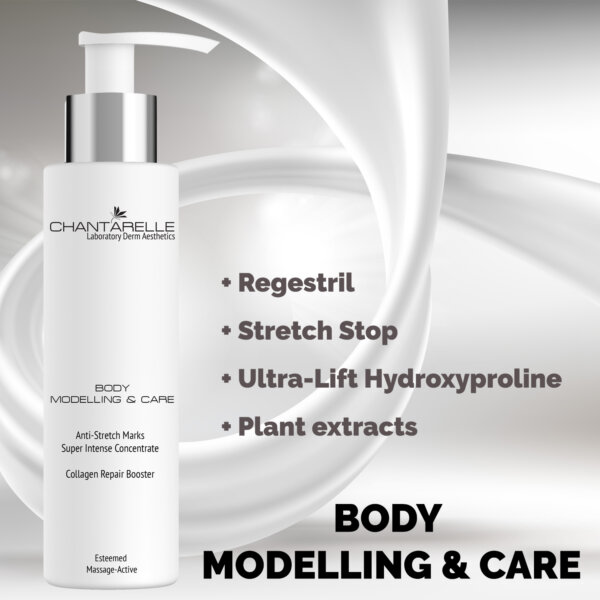
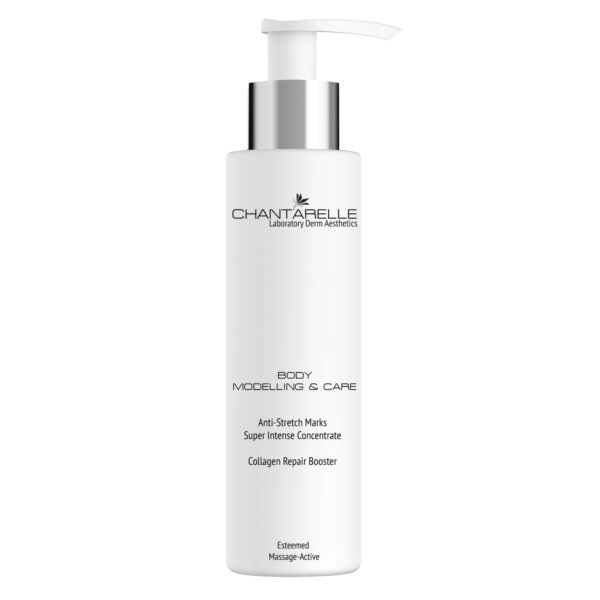 Anti-Stretch Marks Ultra-Intense Concentrate

Beauty academy, Active ingredients in cosmetics
Blue retinol – the ingredient in the elixir of youth?
Jul
The search for a magical concoction to preserve beauty and youth is a natural need for humans, traces of which can be found in myths and legends. The Greek gods preserved their eternal youth by drinking ambrosia. Scientists have not yet discovered the miracle elixir, but they keep finding new unusual substances or plants. One example is the mysterious blue retinol used in Chantarelle cosmetics.
What are microalgae?
Sinicas, also known as microalgae, are microorganisms from the bacterial kingdom, but capable of photosynthesis. For this reason they were classified as plants and functioned under the name Cyanophyta. They colonised Earth’s diverse environments around 2.5 billion years ago. These organisms are usually found in freshwater. Thanks to their resistance to desiccation, they can also be found in deserts. They are also found in saline environments, as well as in peaty waters where the salt content is very low. In response to the conditions in which they exist, they produce a number of unique substances that we can use in medicine or cosmetology. It should also be mentioned that it is probably thanks to cyanobacteria that our atmosphere contains the oxygen we need to live. This is not the only value we receive from these organisms.
Use of algae in cosmetics
Microalgae species such as Aphanizomenon, Nostoc or Arthrospira can be used as valuable food for humans by providing essential nutrients. An example isSpirulina , which is the biomass obtained from cyanobacteria from the latter species (Sánchez et al.2003). Other constituents including carotenoids such as β-carotene or astaxanthin are also extracted from cyanobacteria (Spolaore et al.2006).
Sinices are also a source of valuable ingredients for cosmetology with anti-ageing, regenerative, anti-irritant and emollient effects. Examples include extracts from the species Arthrospira with anti-ageing effects, or extracts from Chlorella vulgaris, which stimulate collagen synthesis in the skin, promoting tissue regeneration and wrinkle reduction (Spolaore et al. 2006).
The effects of algal extracts and their active ingredients also include photoprotective, antioxidant and inhibitory effects on extracellular matrix metalloproteinases to reduce collagen degradation (Wang et al 2015). An example of antioxidant activity can be found in Aphanizomenon flos-aquae, a cyanobacterium rich in phycocyanins with antioxidant and anti-inflammatory properties (Benedetti et al 2004).
Blue retinol in Nutri Maxx cosmetics
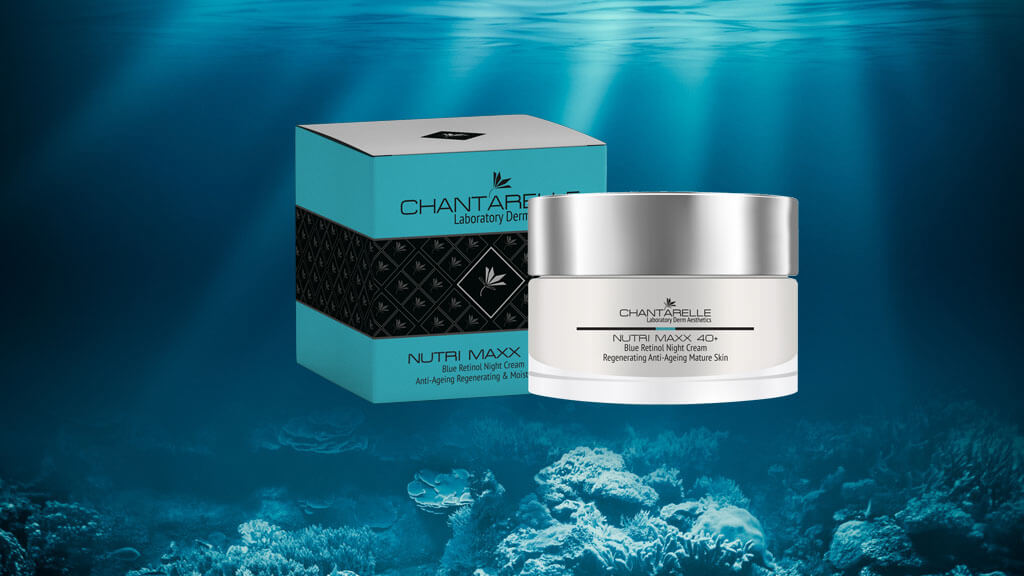
Blue retinol is the plant equivalent of retinol used in the cosmetics of the Nutri Maxx line in the laboratories of Chantarelle. It is extracted from specific unique blue endemic microalgae (of the Cyanophyta group) growing in the waters of Crater Lake located at an altitude of 1,300 m above sea level in southern Oregon. Extracts from this microorganism, known as ‘blue retinol‘, show retinoid-like effects without side effects. The effects of this action are the reduction of wrinkles and smoothing of the skin. They are characterised by a very high content of proteins, lipids and liposaccharides, vitamins – especially B vitamins, amino acids and specific pigments that give the extract its original blue colour. Blue retinol, like retinol, influences keratinocyte differentiation towards smoothing and increasing epidermal density, but does not cause any negative effects due to retinol accumulation in the tissues.
 dr Marcin Wasylewski
CHANTARELLE Laboratory Derm Aesthetics expert
Literature:
– Benedetti S, Benvenuti F, Pagliarani S, Francogli S, Scoglio S, Canestrari F. Antioxidant properties of a novel phycocyanin extract from the blue-green alga Aphanizomenon flos-aquae. Life sciences. 2004 Sep 24;75(19):2353-62.
– Broda B: Outline of Pharmaceutical Botany. Warsaw, PZWL 1998; 24-28.
– Sánchez M, Bernal-Castillo J, Rozo C, Rodríguez I. Spirulina (Arthrospira): an edible microorganism: a review. Universitas Scientiarum. 2003;8(1):7-24.
– Spolaore P, Joannis-Cassan C, Duran E, Isambert A. Commercial applications of microalgae. Journal of bioscience and bioengineering. 2006 Feb 1;101(2):87-96.
– Szweykowska A: Botany – Systematics. Warsaw, PWN 1986;44-45.
– Wang HM, Chen CC, Huynh P, Chang JS. Exploring the potential of using algae in cosmetics. Bioresource technology. 2015 May 1;184:355-62.
Chantarelle cosmetics with blue retinol