Try our novelties and bestsellers!»




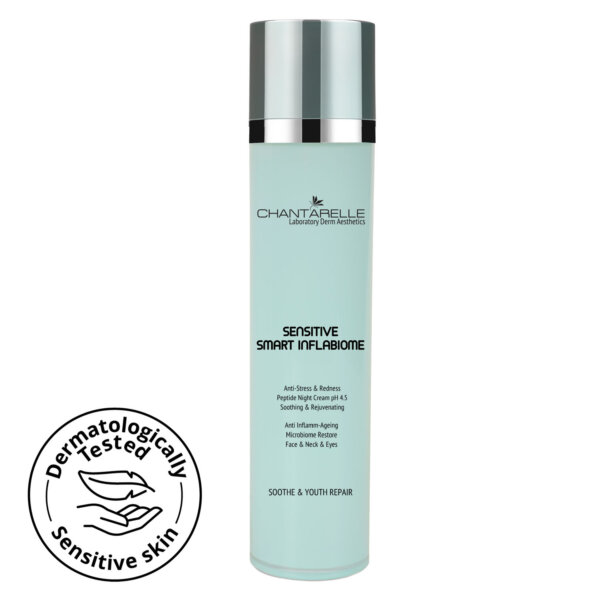 Anti-Stress Peptide Night Cream Sensitive Skin
 Anti-Stress Peptide Serum Sensitive Skin

Aesthetic cosmetology, Cosmetic treatments, Active ingredients in cosmetics
Epigenetics – the future of cosmetology
Jun
Haven’t each of us heard how similar we are to our mum or dad? Or have we ourselves expressed such an observation? We can easily list more such similarities. After all, we can unerringly distinguish between roses and tulips. Each of these flowers inherits characteristics that distinguish them from others and make them similar to those of the same species. We inherit these traits in our family from those we are descended from.
It should not surprise us that the science of the origin of inherited traits is genetics since the Greek word Genesis means ancestry and gen means lineage. Biology defines what genes are that are passed on to their descendants. What are these genes? In a strict sense, they are nucleic acid sequences that record information about a single protein. A genome, i.e. the entire genetic information of an organism, can contain from several to tens of thousands of genes. In humans, there are approximately 20,000 genes. Every somatic cell contains a set of genes: whether a heart muscle cell, a nervous system cell or a blood cell. However, cells are different from one another. Even more – cells know their place. A cell in an organ knows when it can divide and when these divisions are not necessary: after all, our fingers do not grow like hair! Even organisms with identical genetic information can acquire individual characteristics during their lifetime. Such processes are observed with monozygotic twins, who develop distinct characteristics under the influence of environmental factors. Although the sequence of the genome remains unchanged, the level of information contained within it may vary. It becomes clear that in addition to the information stored in the genes, there must be a system for regulating this information. This is carried out in various ways, one of which we refer to by the term epigenetics.
What is epigenetics?
In short, we can define this term as “non-genetic heredity”. What does this mean? Epigenetics describes the transmission of traits unrelated to the genetic transcript, but its specific modification involving the attachment of specific chemical groups to nucleic acid. These groups are usually methyl groups, and the effect of their attachment is to reduce the activity of the gene.
These groups act as switches in a given organism, but the changes can be retained in progeny organisms. These ongoing traces on the genetic material in the progeny can cause noticeable effects. Environmental factors, including diet, affect how and to what extent genetic information is realised through epigenetic mechanisms (Jaenisch and Bird, 2003, Burdge et al. 2007), as has been observed in mammals. Furthermore, a dependence of health levels on factors interacting with relatives in preceding generations has been observed (Kaati et al. 2002).
Epigenetics and the ageing process
The ageing process itself may be associated with changes of an epigenetic nature (Sawicki et al. 2015). Moreover, scientists working on epigenetic mechanisms express the hope that their findings will allow actions to delay or even reverse the ageing process (Rando and Chang 2012). The processes involved in the differentiation of organisms under the influence of external factors and the ageing process are also being studied in model systems. One such model organism is the honeybee (Apismellifera). It has long been known that a bee can develop into a worker bee or a queen bee, but there was an unknown factor causing such significant differences. In 2011, the world’s most prestigious scientific journal, Nature, published an article by Japanese scientist Masaki Kamakura of Toyama Prefecture University indicating that the long sought-after determinant of bee differentiation is a protein in the food provided – Royalectin. The article indicated that this 57 kDa protein activates the p70 S6 kinase by acting on the Epidermal Growth Factor Receptor (Egfr). What is not only interesting, but also important for the knowledge of ageing processes, queens are characterised not only by their reproductive abilities, different body structure, but also by a life expectancy that is more than 10 times longer. Extended lifespans have also been observed in other insects. Knowledge of these mechanisms is therefore not only important for insect researchers.
RoyalEpigen P5 pentapeptide – epigenetics-inspired
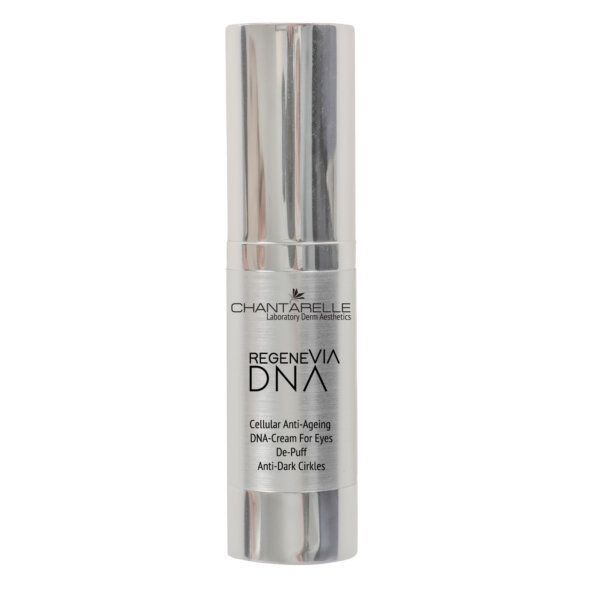
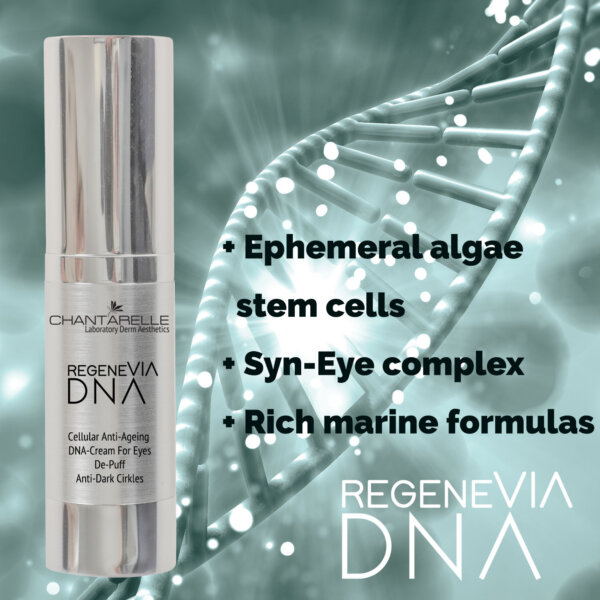
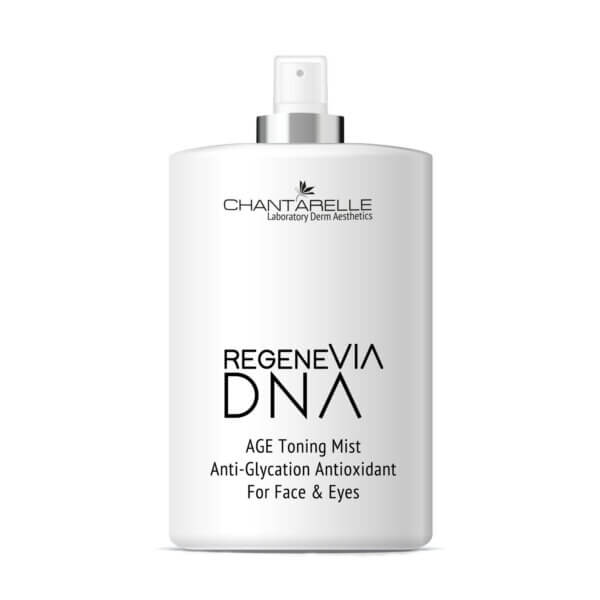
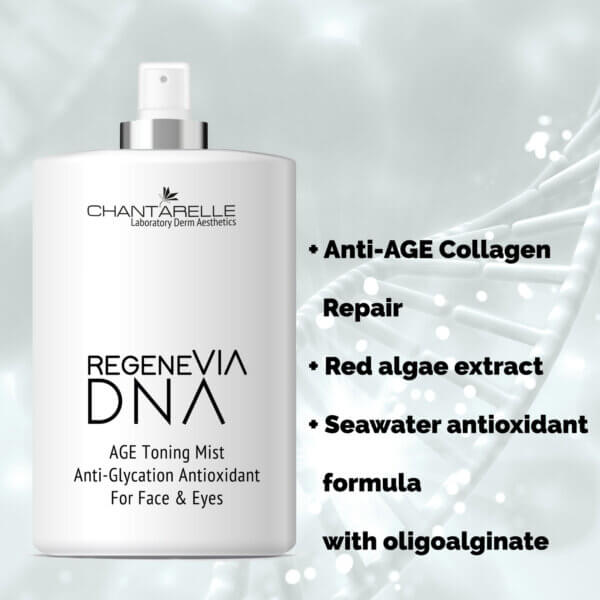
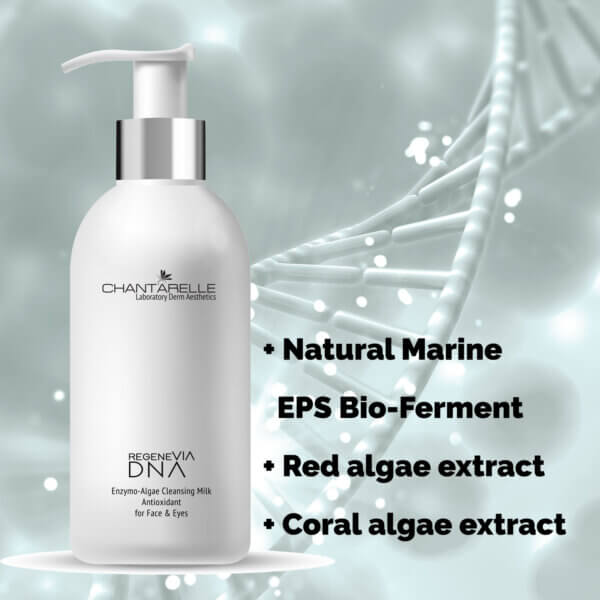
Using this knowledge, a pentapeptide RoyalEpigen P5 was developed with a TRSEL sequence mimetic to Royalectin, and therefore one that can mimic the action of this unique protein. This is all the more important because Royalectin is perishable, and a peptide encapsulated in nano lipid structures can be delivered without losing its activity. Wandrey I Schmid presented results demonstrating the repair potential of the RoyalEpigen P5 peptide significantly increasing keratinocyte proliferation and migratory capacity, comparable to epidermal growth factor. Along with these features, repair capacities towards a number of proteins were observed. We can say that substances drawing on scientific discoveries are within reach, and our skin is waiting for their action. In the Chantarelle laboratories, this unique ingredient has been used in the formulation of the active line Regenevia DNA. The unique formulations Regenevia DNA activate the purifying processes in the cells, effectively smooth the skin by accelerating epidermal regeneration and restoring an even skin tone. Dermokuracja Regenevia DNA actively delays cellular ageing using the latest discoveries in epigenetics.
 Dr Marcin Wasylewski Chantarelle brand expert
Literature
- Jaenisch R, Bird A. Epigenetic regulation of gene expression: how the genome integrates intrinsic and environmental signals. Nat Genet. 2003;33:245-54
- Burdge GC, Hanson MA, Slater-Jefferies JL, Lillycrop KA. Epigenetic regulation of transcription: a mechanism for inducing variations in phenotype (fetal programming) by differences in nutrition during early life? Br J Nutr. 2007, 97(6):1036-46
- Kaati G, Bygren LO, Edvinsson S. Cardiovascular and diabetes mortality determined by nutrition during parents’ and grandparents’ slow growth period. Eur J Hum Genet. 2002;10(11):682
- Rando TA, Chang HY. Aging, rejuvenation, and epigenetic reprogramming: resetting the aging clock. Cell. 2012;148(1-2):46-57
- Sawicki W, Malejczyk J, Wróblewska M Ageing: epigenetic and genetic mechanisms, Gerontologia Polska. 2015, 23(2): 68-73
- Kamakura M. Royalactin induces queen differentiation in honeybees. Nature. 2011; 473(7348):478-83
- Wandrey F, Schmid D, Rejuvenation through epigenetic science, 2016
Epigenetics in cosmetology - Regenevia Dna line