Try our novelties and bestsellers!»



-
×
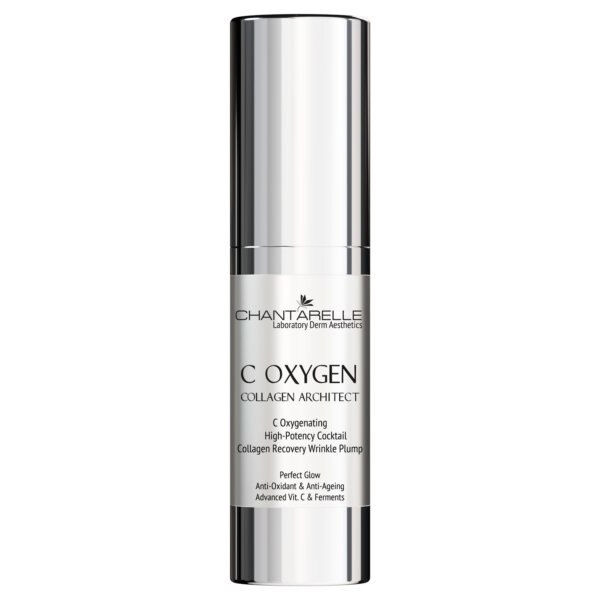 Antioxidant Collagen Architect Serum with Vitamin C and BiofermentsCD064115Linia: C Oxygene1 × £ 56,00
 -
×
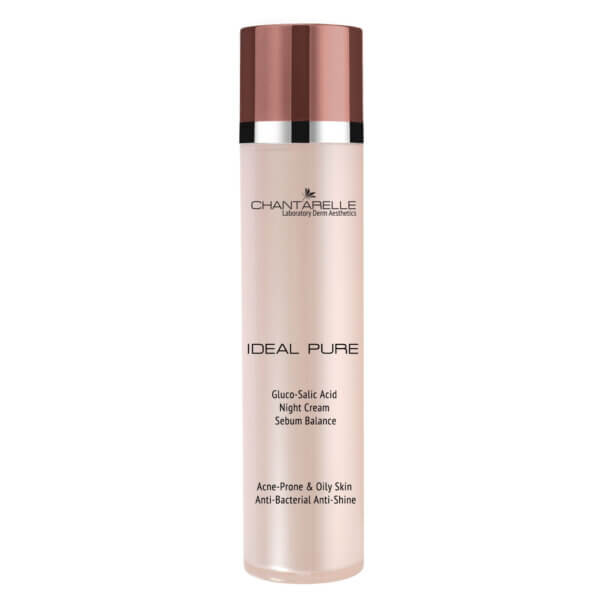 Antibacterial Gluco-Salic Acid Night Cream Oily & Acne-Prone SkinCD1376Linia: Ideal Pure1 × £ 42,00
 -
×
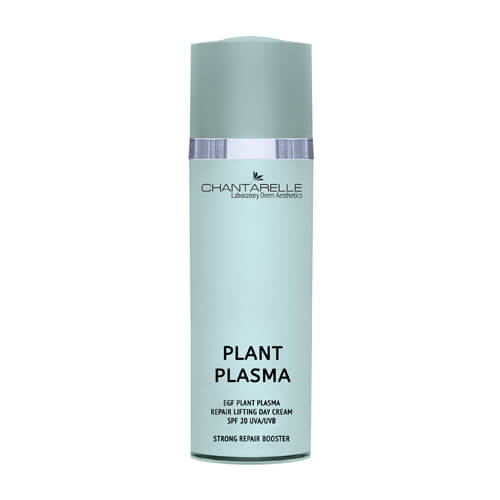 Repair Lifting Day Cream SPF20 Strong Repair Booster with EGFCD1471Linia: Plant Plasma1 × £ 56,00
 -
×
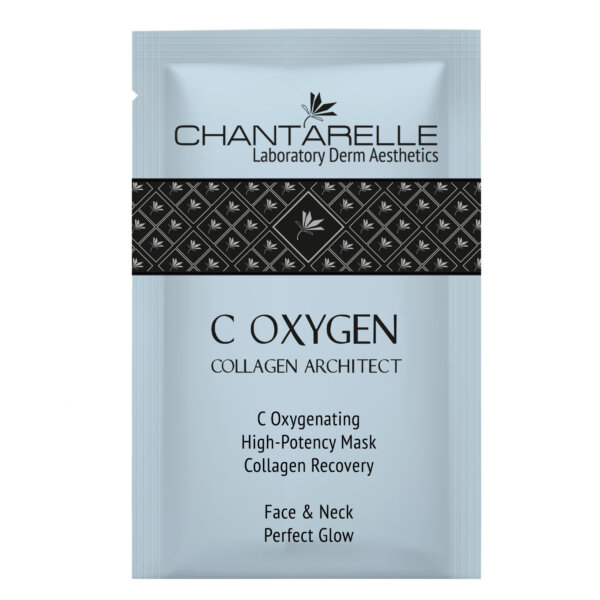 Ultra Oxygenating Mask with Vitamin C and BiofermentsCD0868Linia: C Oxygene1 × Original price was: £ 5,50.£ 4,00Current price is: £ 4,00.
 -
×
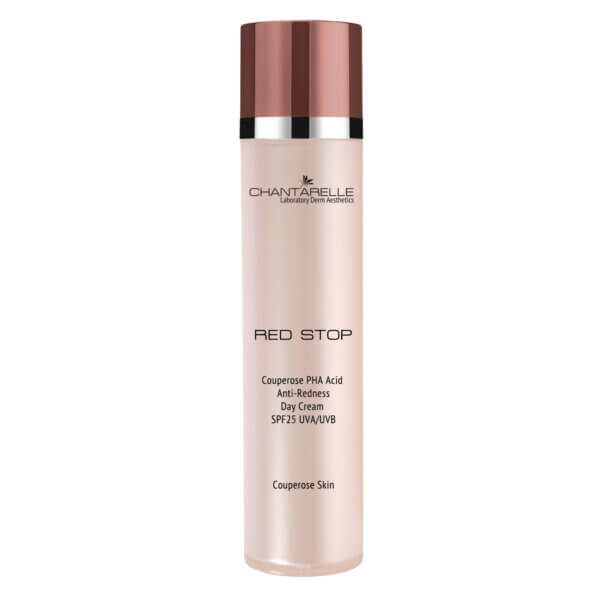 Couperose PHA Acid Day Cream SPF25 UVA/UVB Anti-RednessCD1327Linia: Red Stop2 × £ 42,00
 -
×
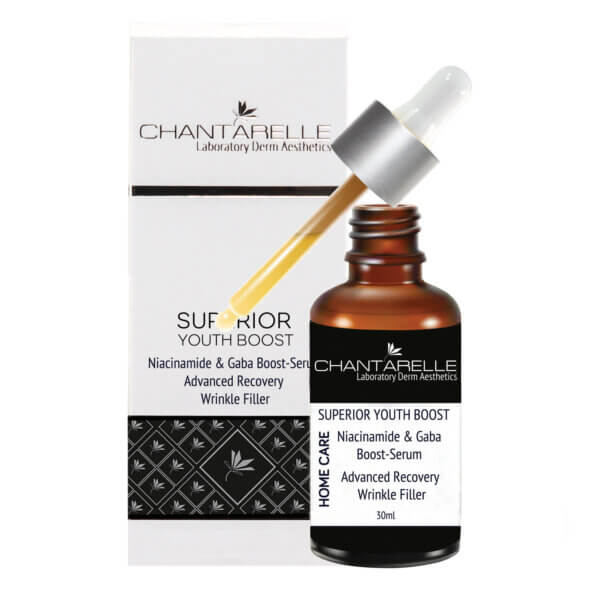 Niacinamide & Gaba Serum Advanced Recovery Wrinkle FillerCD120130Linia: Superior Youth Boost1 × £ 55,00
 -
×
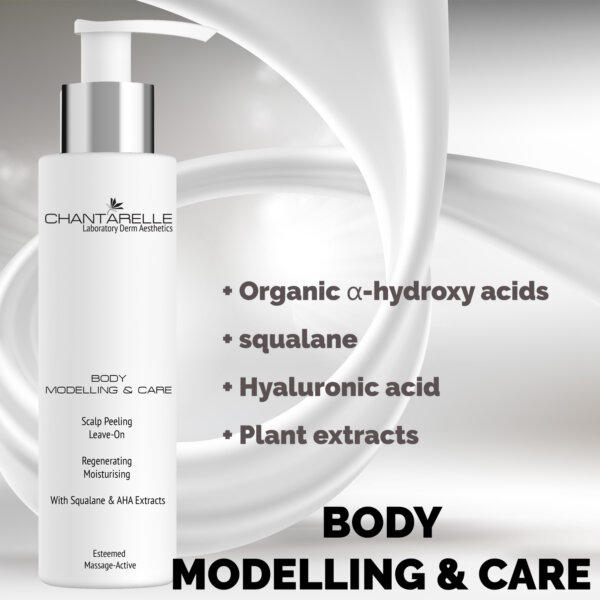
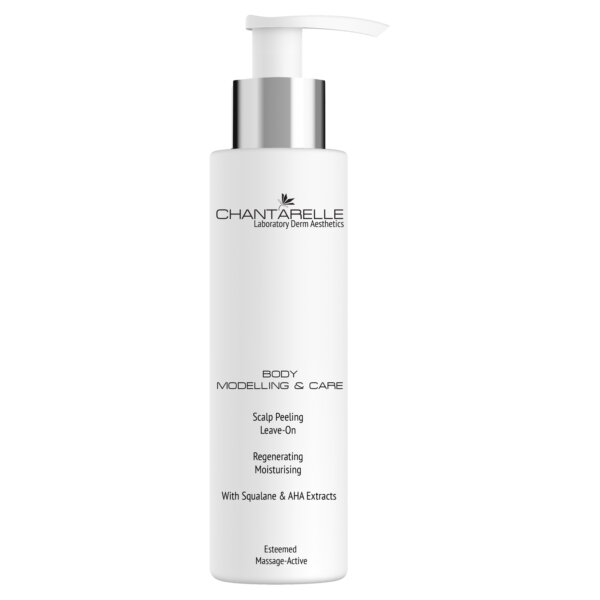 Scalp Peel with Squalane and Organic AHA AcidsCD0423Linia: Body Modelling & Care1 × £ 56,00


Active ingredients in cosmetics, Cosmetic treatments, Aesthetic cosmetology
Glycolic acid for acne and inflamed skin
22
Sep
Sep
Glycolic acid, which is extracted from sugar cane, belongs to the group of alpha-hydroxy acids (AHAs) and is a substance that is widely used in chemical skin peels. This is primarily due to its chemical properties. It is well soluble in water and its small molecule size (it is the smallest of the hydroxy acids) facilitates skin penetration. It is used both in the form of free acid and partially neutralised, buffered and also esterified solutions (Sharad 2015). The most commonly chosen concentrations range from 20% to 70% and is used for all skin phototypes.
Application of glycolic acid
Peels using glycolic acid have anti-inflammatory, antioxidant and caratolytic effects. Beneficial effects of glycolic acid have been demonstrated for acne and in clearing acne by obtaining improvements in skin parameters (Wang et al. 1997). Another proven effect of glycolic acid is on pigmentary changes. Efficacy in the treatment of osteoma is indicated (Lim and Tham 1997), as well as the effectiveness of glycolic acid applied to hyperpigmented post-inflammatory lesions (Burns et al. 1997). The brightening effect is due to both the remodelling of the epidermis by exfoliation and the effect on tyrosinase, an enzyme important in melanogenesis (Usuki et al. 2003). Applications related to photodamage of the skin such as hyperpigmentation, lentigines spots and fine wrinkles are important. An increase in the collagen content of the skin as a result of formulations containing glycolic acid has been indicated (Moy et al. 1993).
Glycolic acid in cosmetic treatments
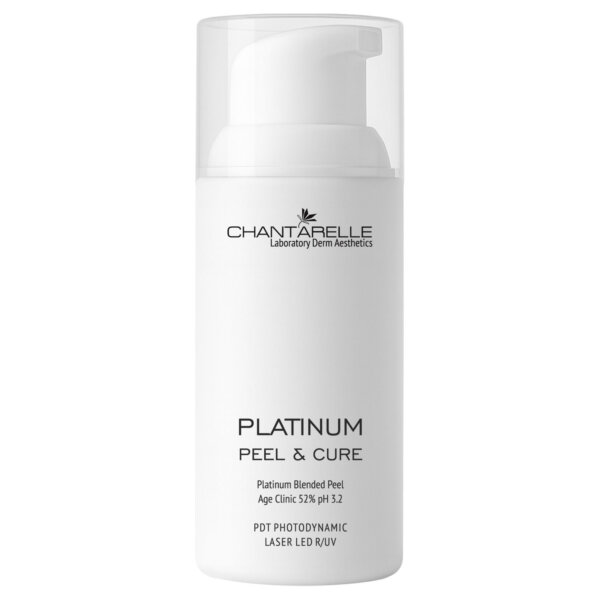
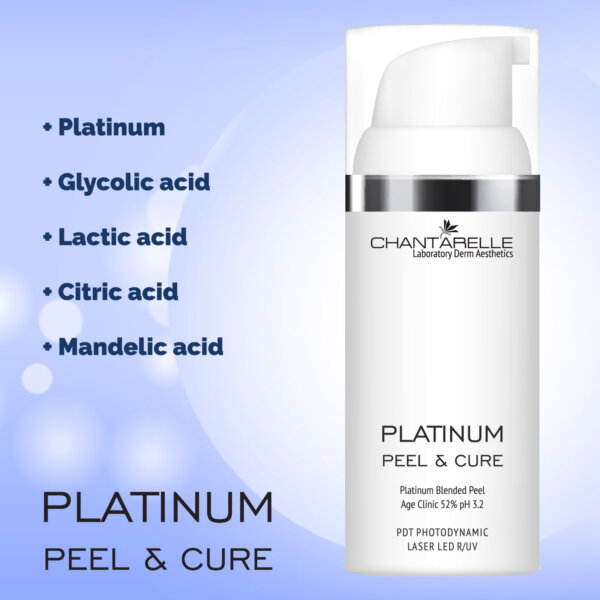
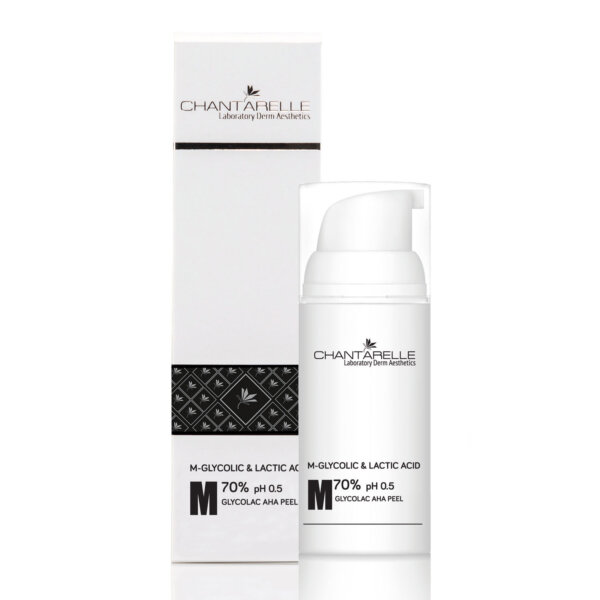
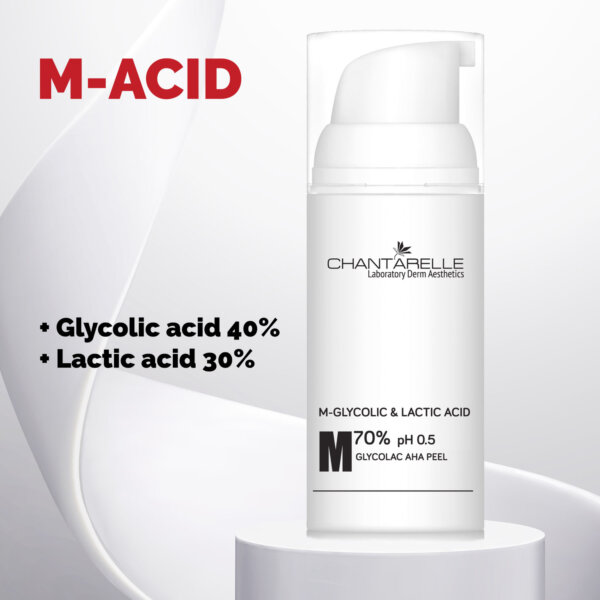
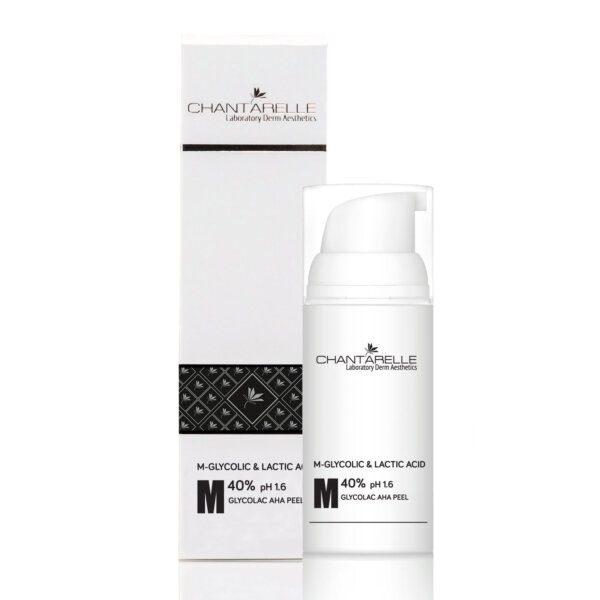
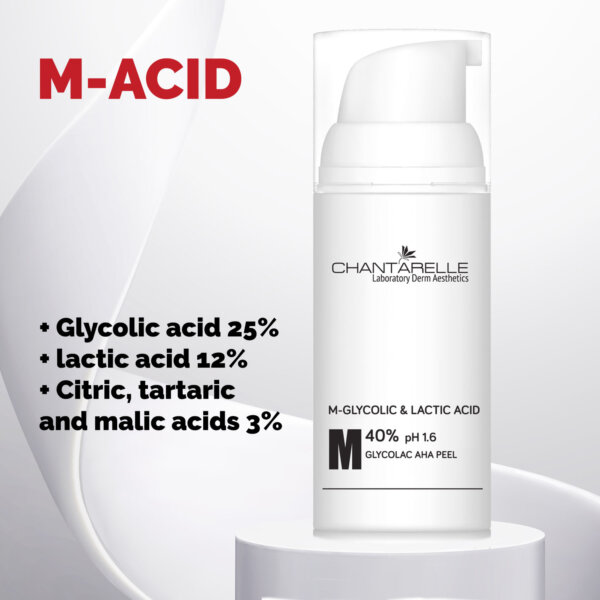
In summaryglycolic acid is a commonly used exfoliating acid. It exhibits antimicrobial and whitening properties in addition to remodelling the skin. It stimulates cell renewal, elastic fibre synthesis and hydration. It smooths wrinkles and firms the skin. Normalises the epidermal keratinisation processes and reduces the stratum corneum. Regulates sebaceous glands, reduces sebum secretion and cleanses pores. Reduces hyperpigmentation and scars, brightens and evens out skin tone. However, it is important to remember to follow the correct treatment regimen and to neutralise the acid properly after treatment. It is also necessary to familiarise patients with the need to avoid sun exposure and use photoprotection. In Chantarelle’s extensive range of acid products, glycolic acid has an important place . It is present together with lactic acid in a mask of 25% pH=3.4 and in treatment preparations with concentrations of 40% pH= 1.6 and 70% pH=0.5. These treatments are intended for all skin types, especially for skin with signs of photo-ageing, discolouration and uneven skin tone; mature skin, with wrinkles and lack of elasticity; dry and dehydrated skin; oily acne-prone skin, polluted skin with blackheads and scars.
Dr Marcin Wasylewski. Chantarelle brand expert
Literature:
– Burns RL, Prevost-Blank PL, Lawry MA, Lawry TB, Faria DT, Fivenson DP. Glycolic acid peels for post inflammatory hyperpigmentation in black patients. A comparative study. Dermatol Surg. 1997;23(3):171-174 – Lim JT, Tham SN. Glycolic acid peels in the treatment of melasma among Asian women. Dermatologic surgery. 1997 Mar 1;23(3):177-9. – Moy LS, Murad H, Moy RL. Glycolic acid peels for the treatment of wrinkles and photoaging. The Journal of dermatologic surgery and oncology. 1993 Mar 1;19(3):243-6. – Murad H, Shamban AT, Premo PS. The use of glycolic acid as a peeling agent. Dermatologic clinics. 1995 Apr;13(2):285-307. – Sharad J. Glycolic acid peel therapy-a current review. Clinical, cosmetic and investigational dermatology. 2013;6:281. – Stiller MJ, Bartolone J, Stern R, Smith S, Kollias N, Gillies R, Drake LA. Topical 8% glycolic acid and 8% L-lactic acid creams for the treatment of photodamaged skin: a double-blind vehicle-controlled clinical trial. Archives of dermatology. 1996 Jun 1;132(6):631-6. – Usuki A, Ohashi A, Sato H, Ochiai Y, Ichihashi M, Funasaka Y. The inhibitory effect of glycolic acid and lactic acid on melanin synthesis in melanoma cells. Experimental dermatology. 2003 Oct 1;12(s2):43-50. – Wang CM, Huang CL, Hu CT, Chan HL. The effect of glycolic acid on the treatment of acne in Asian skin. Dermatol Surg. 1997;23(1): 23-29. – Yamamoto Y, Uede K, Yonei N, Kishioka A, Ohtani T, Furukawa F. Effects of alpha-hydroxy acids on the human skin of Japanese subjects: The rationale for chemical peeling. The Journal of dermatology. 2006 Jan 1;33(1):16-22.
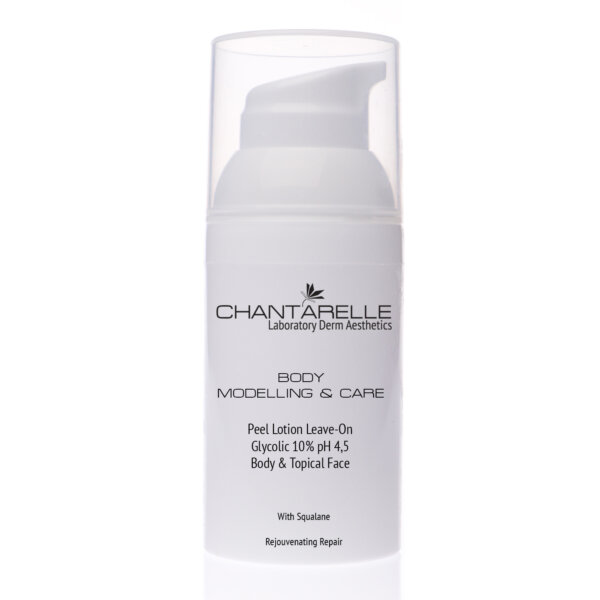
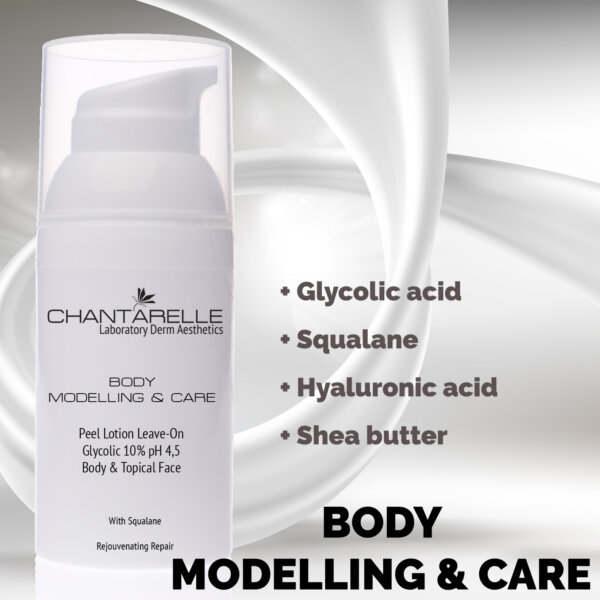
Glycolic acid in Chantarelle cosmetics
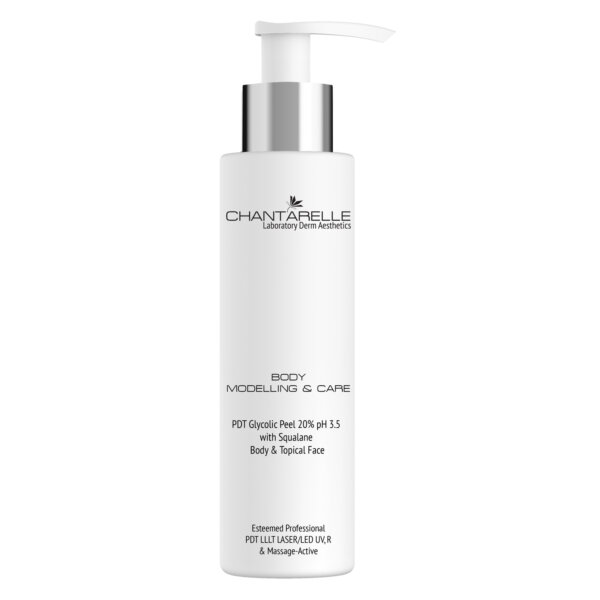
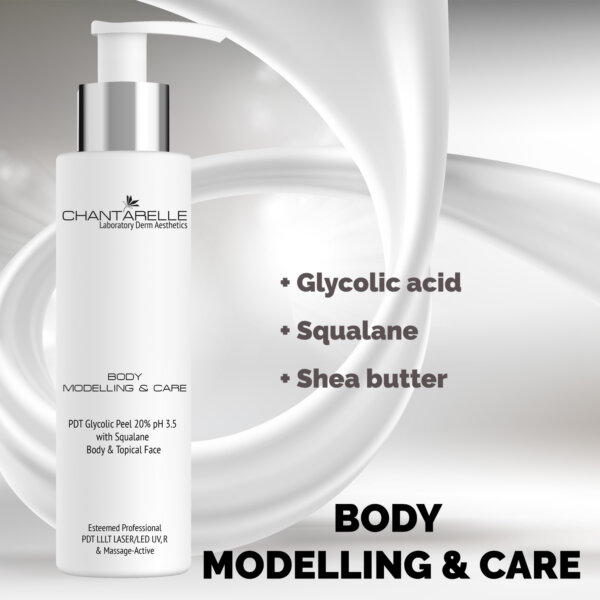


Out of stock
Out of stock