Try our novelties and bestsellers!»






Beauty academy
Liquorice – plants in cosmetics
Aug
Smooth licorice (Glycyrrhiza glabra) is a perennial plant belonging to the bean family. It grows to a height of 1.5 m and is characterised by a long and extensive root system. Liquorice is native to southern Europe and central Asia. The plant grows in rich, sandy soils, next to rivers or cultivated fields.
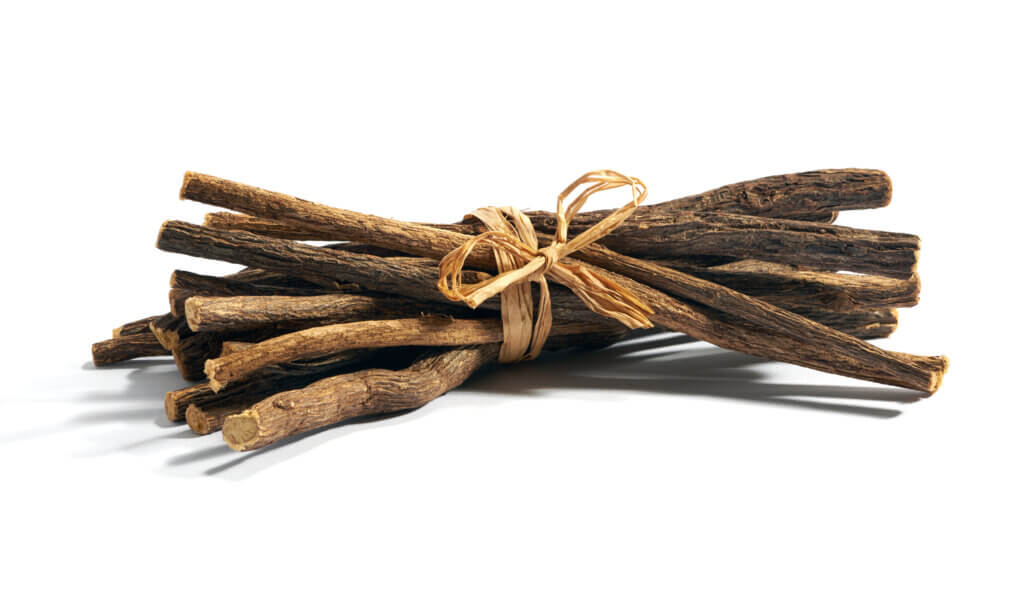
The most commonly used part of liquorice is its root and rhizome. It is mainly used in the production of sweets, cosmetology, medicine and herbalism. It is in these parts of the plant that large quantities of active substances are found. The extract extract extracted from liquorice is chemically distinguished by the presence of a substance such as glycyrrhizin. Numerousflavonoids, coumarins, triterpenoids, essential oils as well as sterols, resins and polysaccharides can also be found in the composition of liquorice.
The history of liquorice use begins in China and dates back nearly 3,000 years. It is mentioned in Assyrian notes, Egyptian papyri and Chinese herbalists. Hippocrates prescribed liquorice for catarrh, asthma and other respiratory diseases. He referred to this plant as “glukos riza” – “sweet root”, whence the botanical name of liquorice: Glycyrrhiza. A decoction of liquorice root is often used as a cough suppressant, to relieve sore throats and stomach ulcers. Liquorice is also prescribed for ovarian insufficiency, allergic asthma, arthritis and kidney failure. Externally, it is used to treat ulcers, stomatitis, inflammation of the tongue and inflammation of the eyelids.
Liquorice is commonly used as a spice and sweetener in pharmaceutical formulations. It is used to flavour beer, tobacco and confectionery. It is added to chewing gums, chocolates, tobacco blends, beer (to make it frothy). The taste of liquorice is quite distinctive – reminiscent of aniseed. In Scandinavia, liquorice candies are produced in black. Liquorice is also found in many spirits: in Italian sambuca liqueur, Turkish raki, Greek ouzo, Bulgarian mastic or French pastis. The root pulp is added to paper paste.
Lucorice in cosmetology and cosmetics
Products with liquorice extract provide numerous cosmetic properties. One of these is immunostimulating properties, i.e. strengthening the work of the immune system. The polysaccharide fraction of liquorice shows a remarkable ability to stimulate the immune system, which naturally weakens with age. Thanks to the glycyrrhizin it contains, liquorice has a strong anti-inflammatory and anti-edematous effect, which has been confirmed by numerous studies. Preparations containing liquorice extract also haveantibacterial properties, so they are used in the case of active dermatosis. Liquorice is also used in anti-ageing preparations. Its antioxidant activity reduces skin photo-ageing, which is the main cause of accelerated ageing of our largest organ, the skin.
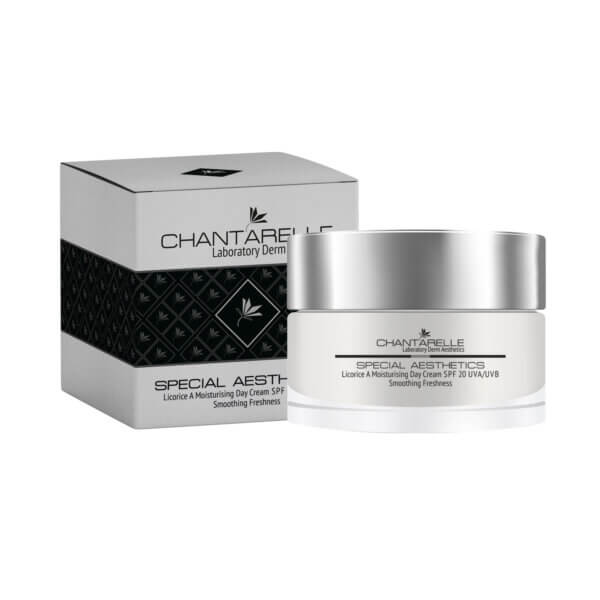
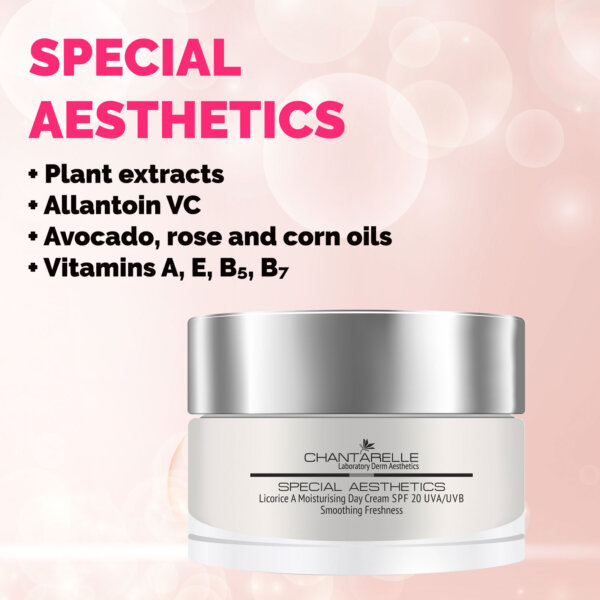
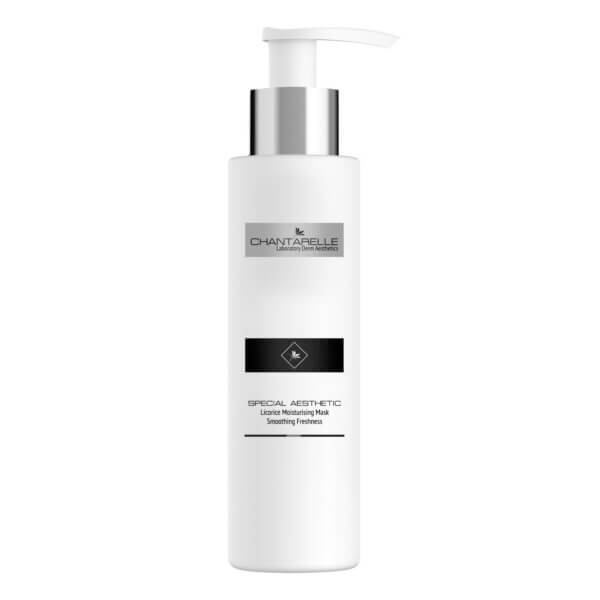
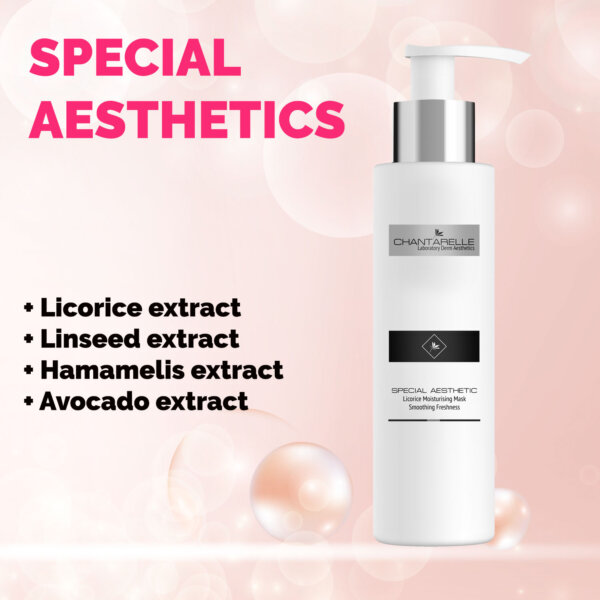
Liquorice in Chantarelle cosmetics