Try our novelties and bestsellers!»




-
×
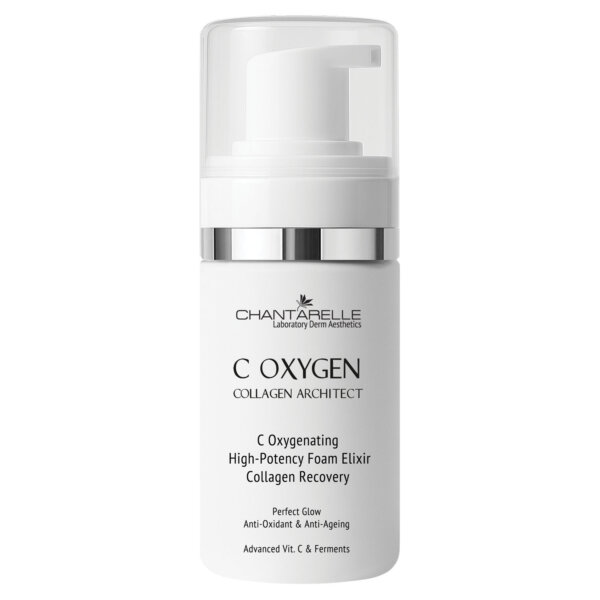 Antioxidant Foam Serum with Vitamin C and BiofermentsCD0232Linia: C Oxygene1 × £ 55,00
 -
×
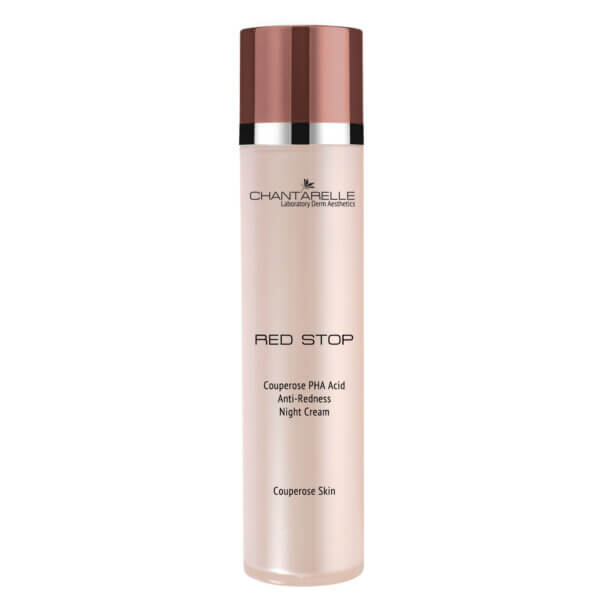 Couperose PHA Acid Night Cream Anti-RednessCD1328Linia: Red Stop1 × Original price was: £ 42,00.£ 39,00Current price is: £ 39,00.
 -
×
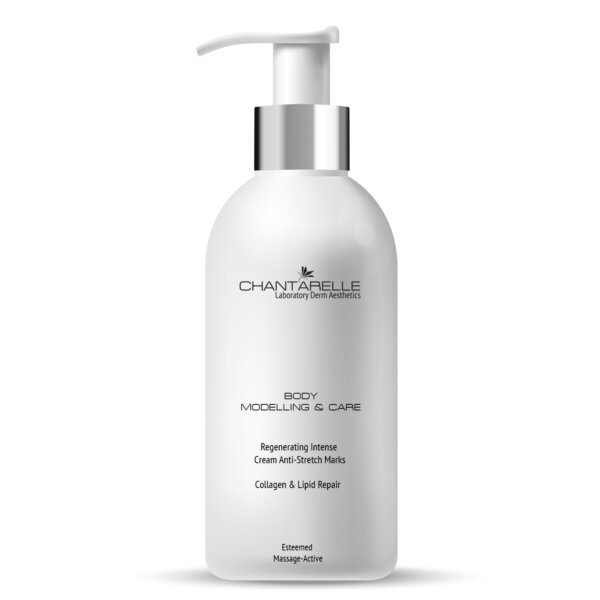 Anti-Stretch Marks Intense CreamCD2002Linia: Body Modelling & Care1 × £ 67,00
 -
×
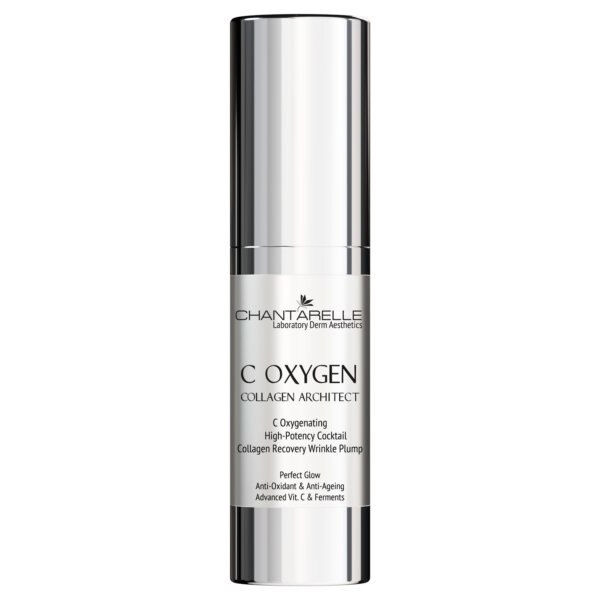 Antioxidant Collagen Architect Serum with Vitamin C and BiofermentsCD064115Linia: C Oxygene1 × £ 56,00
 -
×
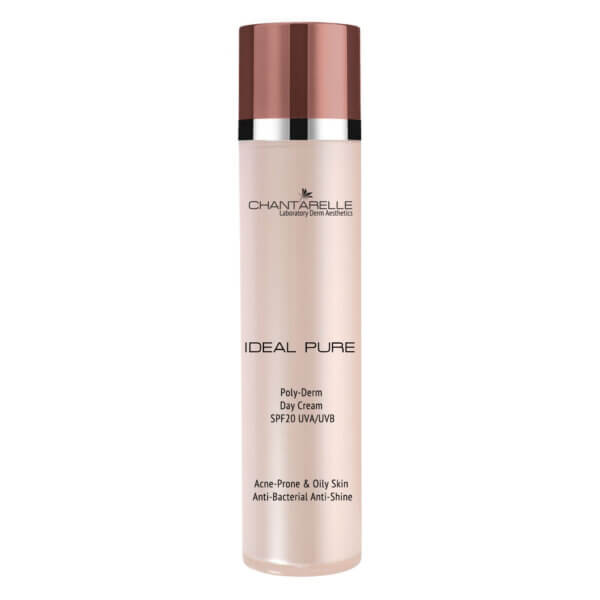 Normalizing Day Cream SPF20 with Antibacterial Ingredients Oily & Acne SkinCD1375Linia: Ideal Pure1 × £ 42,00
 -
×
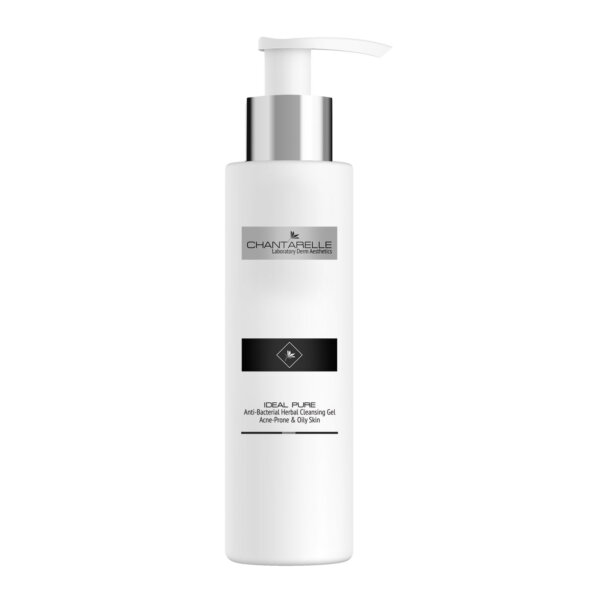 Anti-Bacterial Herbal Cleansing Gel Oily & Acne-Prone SkinCD0115Linia: Ideal Pure1 × £ 25,00
 -
×
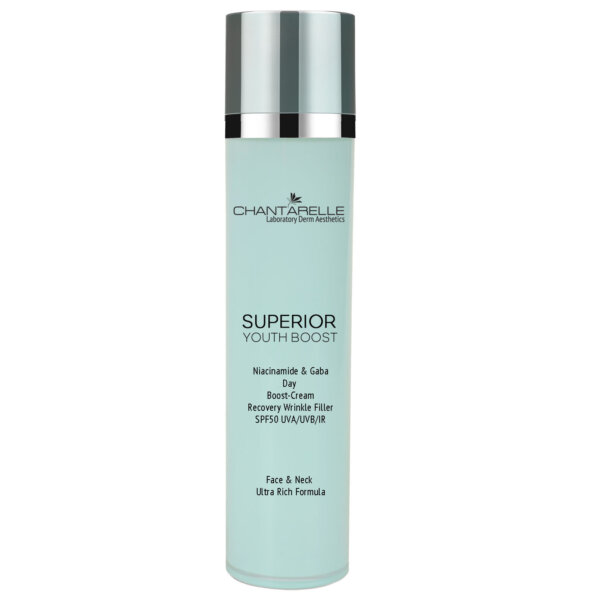
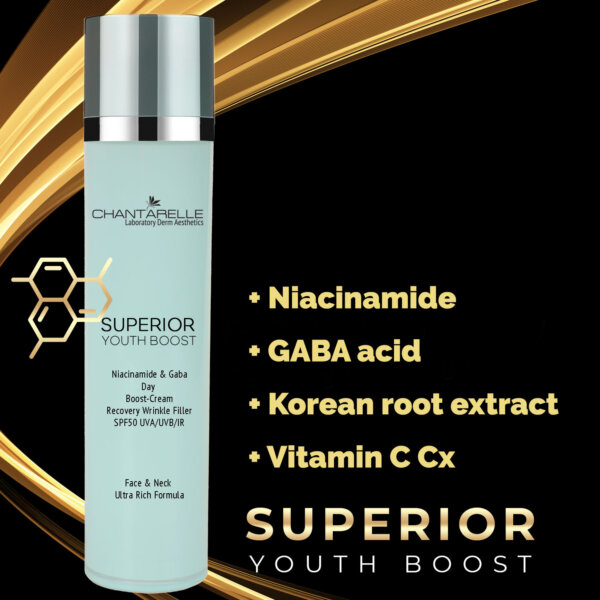
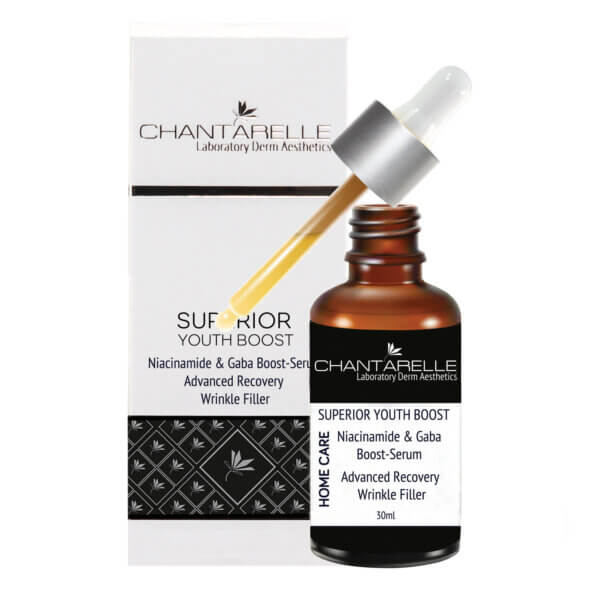 Niacinamide & Gaba Serum Advanced Recovery Wrinkle FillerCD120130Linia: Superior Youth Boost1 × £ 55,00
 -
×
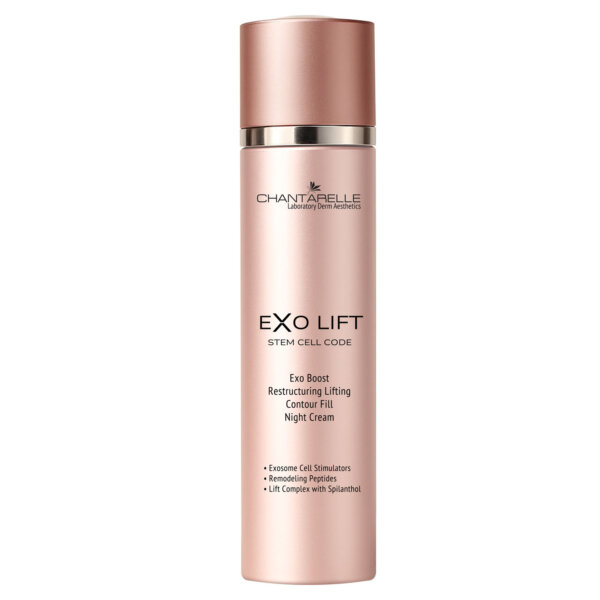 Lifting Fill Wrinkle Smoother Night Cream with Exosomes and PeptidesCD1484Linia: Exo Lift1 × £ 79,00
 -
×
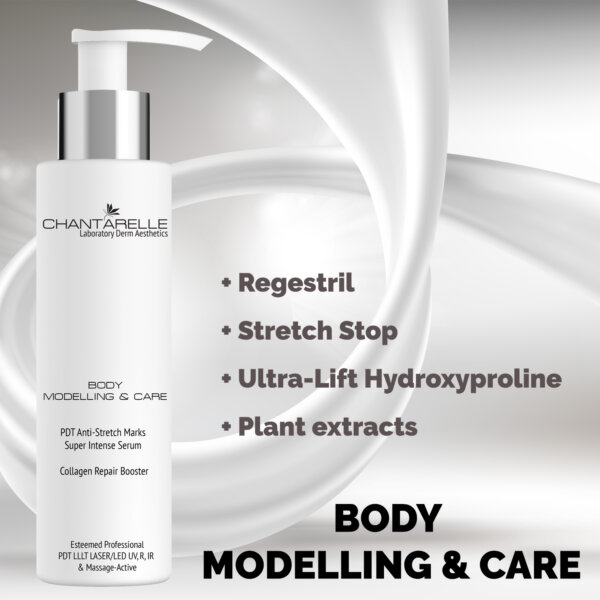
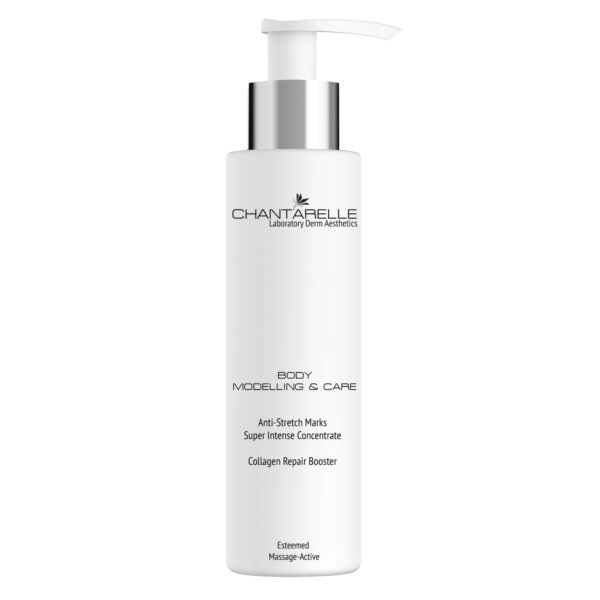 Anti-Stretch Marks Ultra-Intense ConcentrateCD2001Linia: Body Modelling & Care1 × £ 63,00
 -
×
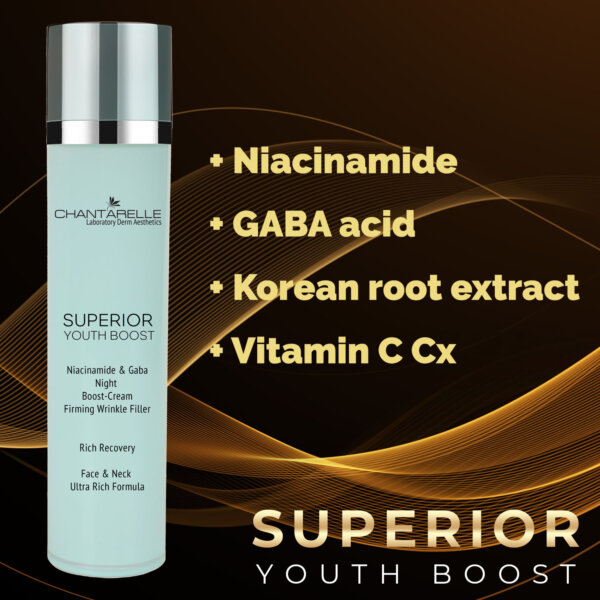
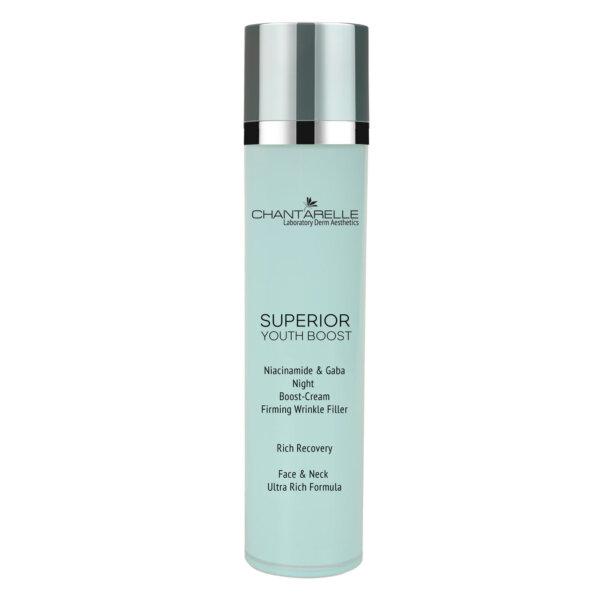 Niacinamide & Gaba Night Cream Firming Wrinkle FillerCD1477Linia: Superior Youth Boost1 × £ 56,00


Active ingredients in cosmetics, Cosmetic treatments, Aesthetic cosmetology, Skin care at home
Niacinamide – a multifunctional rejuvenating ingredient in cosmetics
25
Aug
Aug
Vitamins are substances that are essential for our bodies, which we need to provide in order to stay healthy and ensure the proper functioning of our bodies. The same is true of vitamin B₃, whose name refers to two substances: nicotinic acid (niacin) and its amide, niacinamide. In this article, we will learn about the rejuvenating properties of niacinamide.
How does niacinamide affect our skin?
Vitamin B₃ can to some extent be synthesised in our body in the presence of the protein amino acid tryptophan, but external supplementation is essential. Niacinamide is a precursor of particularly important substances: NADH and NADPH, which are essential for energy production in cells (Matts et al. 2002), and a deficiency of vitamin B₃ in the diet can cause various diseases for example pelagia. In addition to its systemic effects, vitamin B₃ provides a number of benefits when applied to the skin and is therefore added to cosmetic products. Due to its small particle size, niacinamide can penetrate the skin. It has been shown to help improve skin tone and texture. The effects of niacinamide on mature or sun-damaged facial skin have been evaluated in clinical trials. A randomised split face study evaluated the effect of 5% niacinamide administered in a cream on the face over 12 weeks. The result was an observed improvement in skin texture compared to a placebo cream. In another study, niacinamide was found to reduce transepidermal water loss and, moreover, may also increase the effectiveness of other moisturisers. This property makes it a valuable addition to facial moisturisers and sunscreens. It has been shown to be more effective in relieving dry skin than glycerine alone and to produce greater improvements than other moisturiser combinations without niacinamide (Christman et al. 2012).
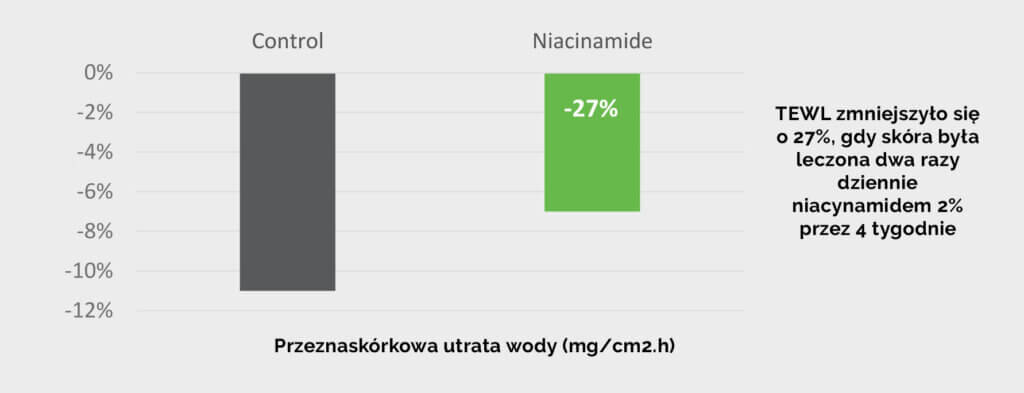
Figure 1: Reduction of transepidermal water loss by using cosmetics with niacinamide
(Source: test results from the active ingredient manufacturer)
Collagen stimulation
The ability of fibroblasts to synthesise collagen decreases with age, but the use of niacinamide stimulates cells to increase collagen synthesis by up to more than 50%. This indicates an important role for niacinamide in counteracting processes associated with skin ageing. Niacinamide has also been shown to support the natural processes of synthesising skin barrier components such as ceramides, which are essential for the barrier function of the stratum corneum. This is important because ceramide levels decrease with age and under the influence of atopy. Studies have shown that the application of niacinamide to the skin can induce up to a fivefold increase in ceramide synthesis. Similar effects were observed with other sphingolipids such as glucosylceramides, sphingomyelin or steroids.
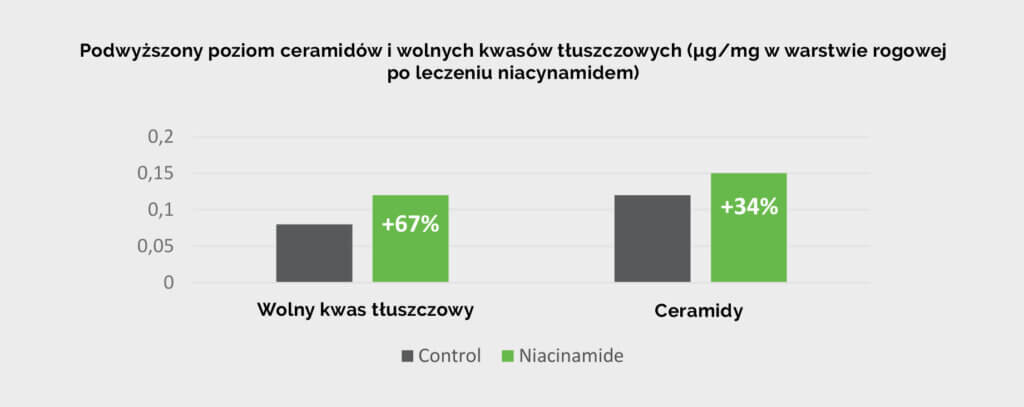
Figure 2: Increase in free fatty acids and ceramides after application of cosmetics with niacinamide
(Source: test results from the active ingredient manufacturer)
Sebum levels and skin cleansing
At the same time, an improvement in the regulation of sebum levels is observed to reduce the intensity of acne. These effects have also been shown to have a basis at the level of cell metabolism and involve not only an effect on the amount of sebum, but also an effect on the composition of its components. Niacinamide can affect the wellbeing of the skin, resulting in healthier, more elastic and more resistant to water loss. Niacinamide also has antioxidant properties that help to reduce the harmful effects of external factors such as UV radiation and air pollution. PM 2.5 particulate matter contributes to the generation of active oxygen species that cause oxidative stress. As a result, it leads to a weakening of the skin and accelerates its ageing process resulting from DNA, lipid and protein damage as well as mitochondrial membrane depolarisation and keratinocyte apoptosis. In studies, niacinamide has been shown to inhibit the production of active oxygen species in response to the presence of PM 2.5. This slows down lipid and protein oxidation and consequently protects skin cells from oxidative stress and cellular damage (Zhen et al. 2019). Niacinamide also reduces skin hyperpigmentation. Studies have shown similar efficacy to hydroquinone with a much better safety profile.
Wrinkles and skin tone
The use of niacinamide formulations reduces wrinkles and hyperpigmentation, improves skin tone and achieves a number of beneficial changes regarding the lipid and protein component of the skin, as well as pigmentation control. The skin not only gains a better appearance and texture, but its barrier properties and hydration are improved. As a result of these processes, the skin gains a younger and healthier appearance. The ability to improve skin condition is indicated to be similar to that obtained with retinoids. However, this occurs with much better tolerance of niacinamide by the skin, especially by sensitive, atopic, reactive skin. The improvement in skin condition is the result of changes at the cellular level. Although the vitamin B₃ used in cosmetic treatments and preparations is delivered to the skin externally, the rejuvenating and strengthening effect is the result of the relevant processes within the body.
Deep skin renewal with niacinamide
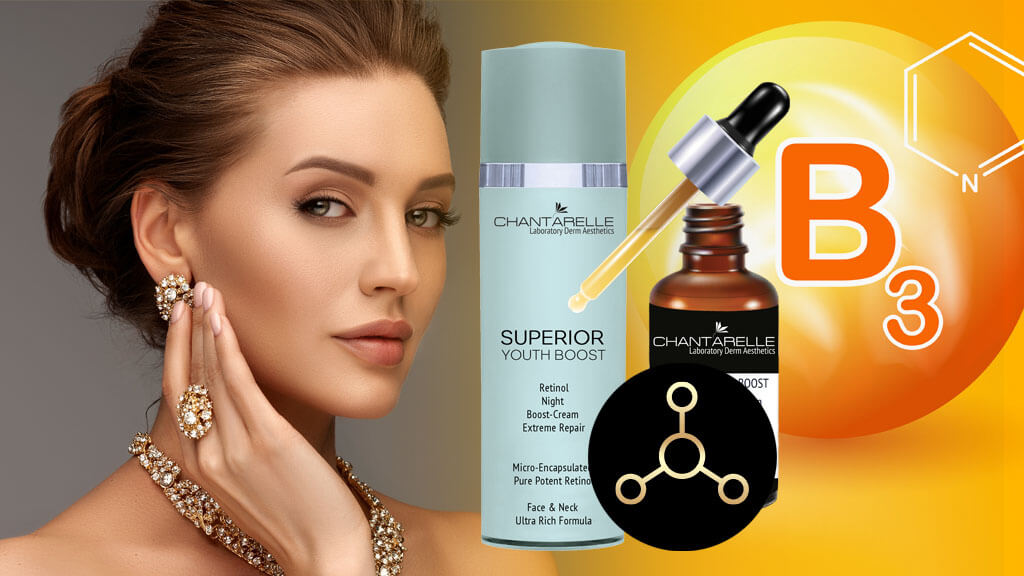
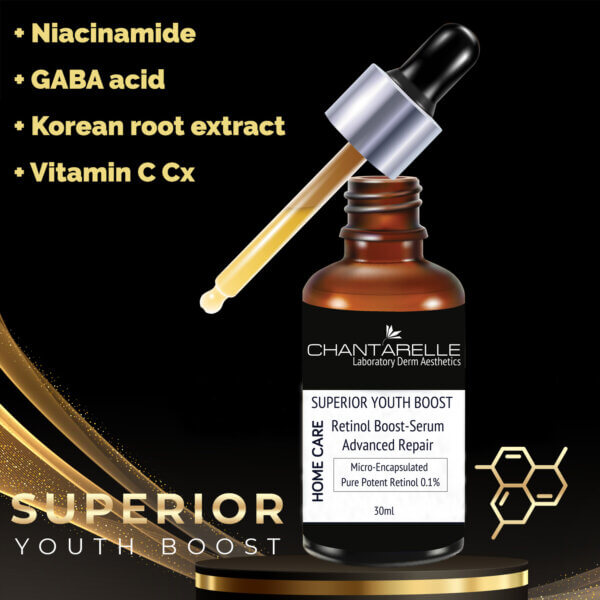
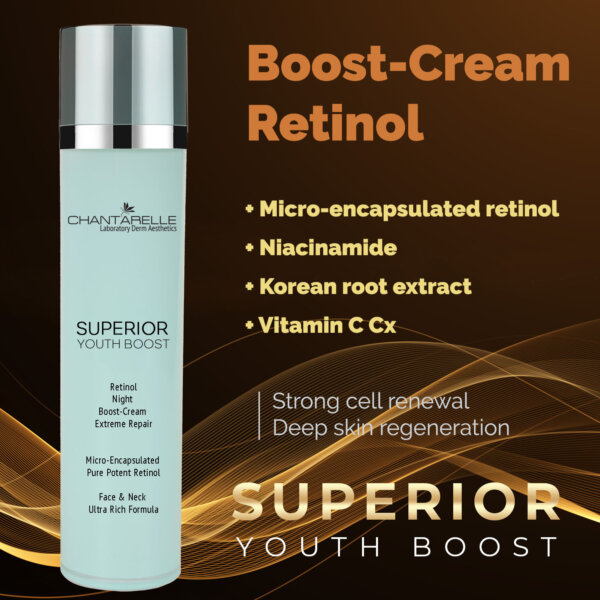
The powerful dermo-cure SUPERIOR YOUTH BOOST has been developed in Chantarelle laboratories for the stimulation of cell renewal, collagen synthesis, strengthening of skin structure, reduction of hyperpigmentation and sebum regulation. The formulations contain a rich formula of active ingredients, among them a form of vitamin B₃ – niacinamide. The treatment and home care preparations produce spectacular rejuvenating effects: filling in wrinkles, regaining elasticity and firmness, brightening discolouration and restoring healthy colour, regulating keratinisation and smoothing and moisturising. The stimulating effects of the treatment are multiplied by the PDT laser application.
 Dr Marcin Wasylewski
Chantarelle expert, biotechnologist and university lecturer
Literature:
-
- Matts PJ, Oblong JE, Bissett DL. A review of the range of effects of niacinamide in human skin. IFSCC 2002;5(4):285-9.
- Christman JC, Fix DK, Lucus SC, Watson D, Desmier E, Wilkerson RJJ, et al. Two randomized, controlled, comparative studies of the stratum corneum integrity benefits of two cosmetic niacinamide/glycerin body moisturizers vs. conventional body moisturizers. J Drugs Dermatol JDD 2012;11(1):22-9.
- Zhen, A. X., Piao, M. J., Kang, K. A., Fernando, P. D. S. M., Kang, H. K., Koh, Y. S., … & Hyun, J. W. (2019). Niacinamide protects skin cells from oxidative stress induced by particulate matter. Biomolecules & therapeutics, 27(6), 562.
Chantarelle Cosmetics with niacinamide
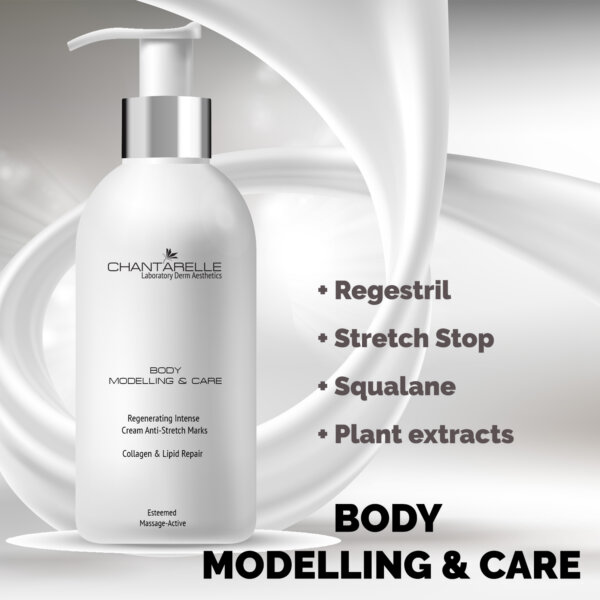
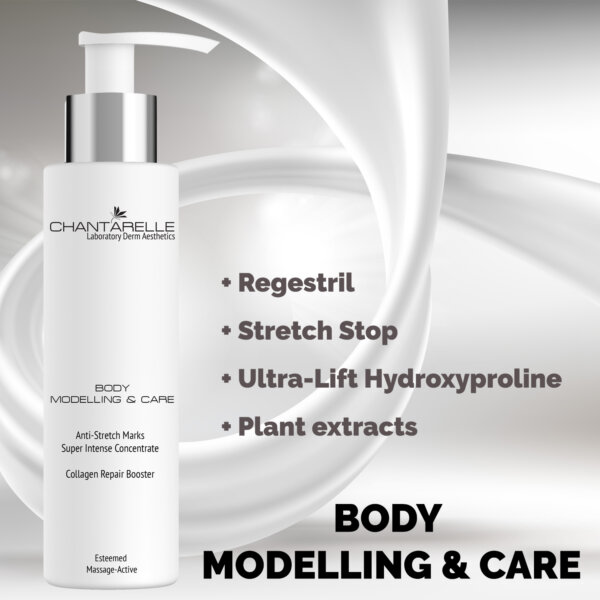
Out of stock
Sale!
Out of stock