Try our novelties and bestsellers!»




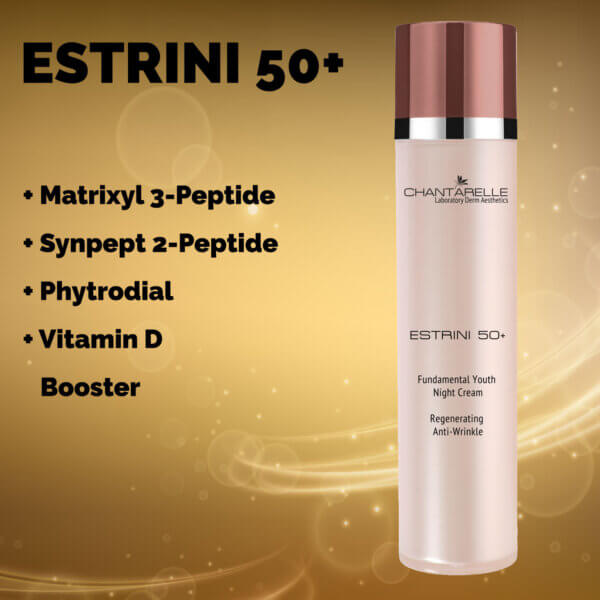
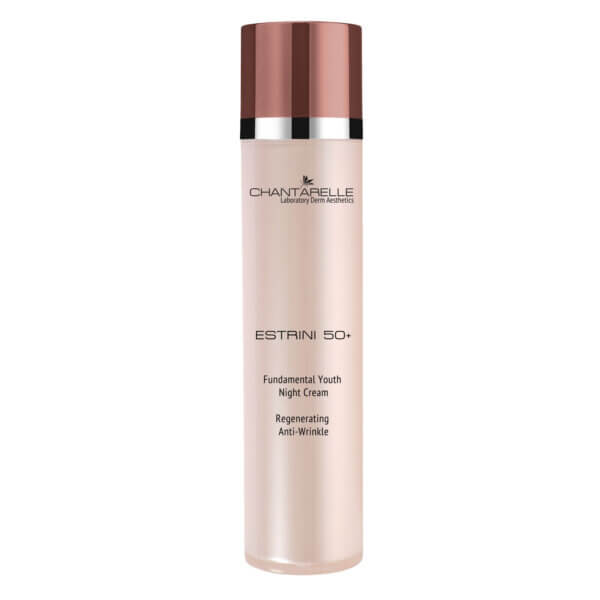 Rejuvenating Night Cream with Phytoestrogens and Stimulating Peptides

Active ingredients in cosmetics
Phytoestrogens in the fight against hormonal ageing
Oct
The skin ageing process is very complex and involves many factors. One of them is hormonal ageing, which mainly affects women between the ages of 50 and 55, i.e. during the menopause. Its direct cause is changes in the hormonal balance, above all a decrease in the level of oestrogens, the so-called ‘hormones of youth’. This leads to a sudden deterioration of the skin: loss of firmness and elasticity and the formation of a network of wrinkles.
How skin ages
The signs of ageing affect not only the surface of the epidermis, but also the layers lying deeper, in the dermis, where collagen and elastic fibres are degraded. Atrophy of the fatty tissue leads to the formation of deep wrinkles and furrows, even beyond the facial parts. The production of natural moisturising factors (NMF) is disrupted, resulting in intense dryness of the skin. It also becomes more flabby and thinner. This process is associated with atrophy of the dermis and a decrease in the number of living cells in the epidermis. In addition, other disorders such as hyperpigmentation, lentigines, discolouration, angiomas, warts, seborrhoeic stasis lesions and excessive facial hair growth may occur.
Phytohormones
Plants produce specific substances called phytohormones because they act similarly to hormones in the human body. They travel with the cell sap and influence growth, reproduction and many other vital plant activities. Some of them are similar in structure and properties to human hormones. They have therefore begun to be used to treat endocrine disorders in humans. There are plants that produce phytohormones similar to the male hormone testosterone or similar to the female hormone oestrogen, which have been termed phytoestrogens.
Research in Asia has indicated a consistent link between the low incidence of hormone-related diseases in women and the high intake of phytohormones contained in food, for example in Japan. This is because the Japanese diet is rich in green plants and flavonoids, including the frequent consumption of soya. Phytoestrogens, in addition to acting on receptors specific to female hormones, have very strong antioxidant properties. These scientific findings have influenced the use of phytoestrogens in cosmetic preparations, especially anti-ageing preparations.
Phytoestrogens now play an important role in delaying the skin ageing process. They make up for the absence or deficiency of oestrogen and fulfil its functions to maintain the best possible skin condition. Like oestrogen, phytoestrogens act on skin cell receptors to ‘mimic’ their activity in triggering the metabolic process of building factors. They also have high antioxidant, anti-inflammatory and soothing properties. By acting topically on the skin, they do not cause side reactions and are therefore safe to use.
Estrini 50+ – cosmetics for mature women
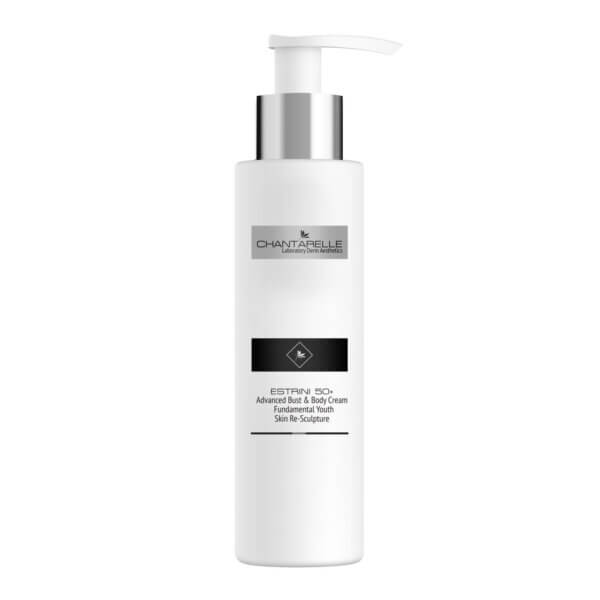
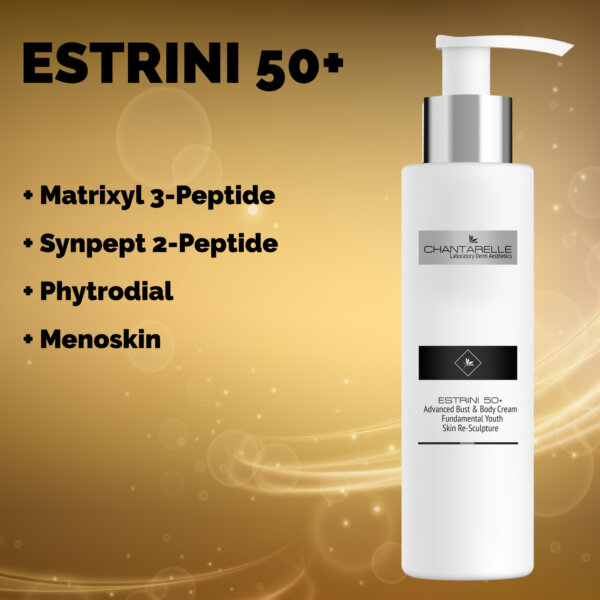
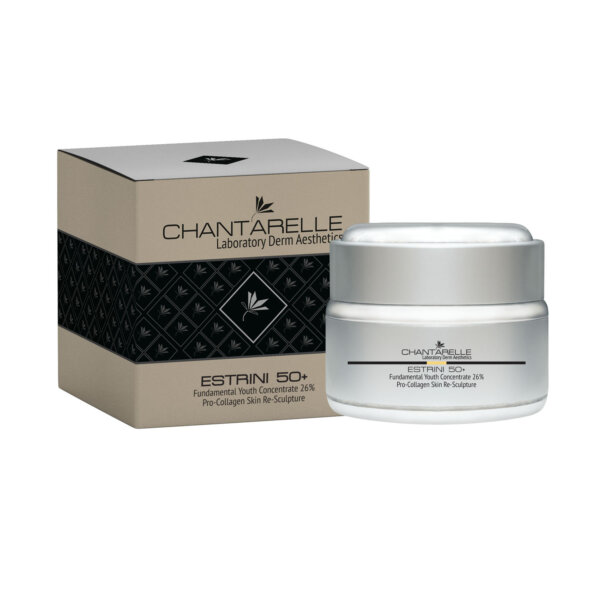
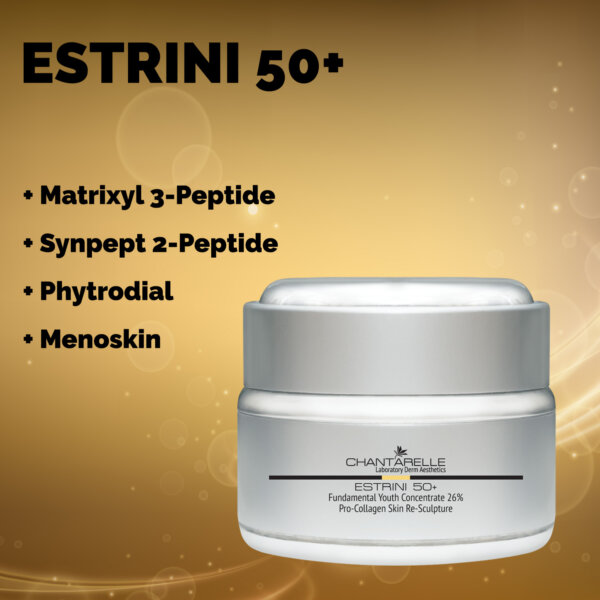
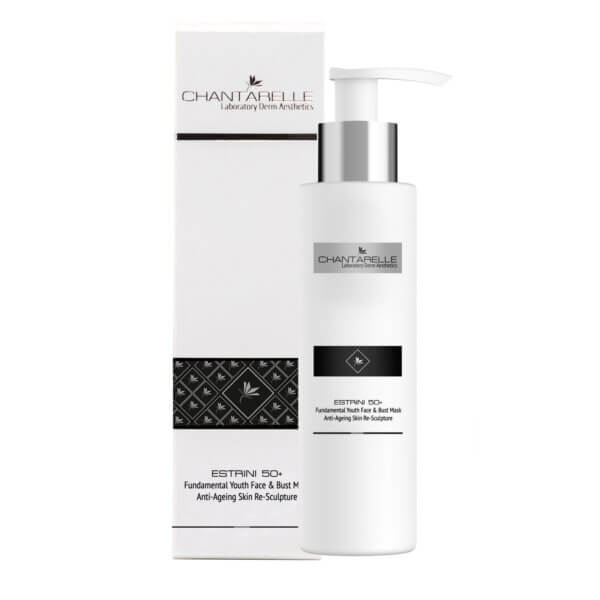
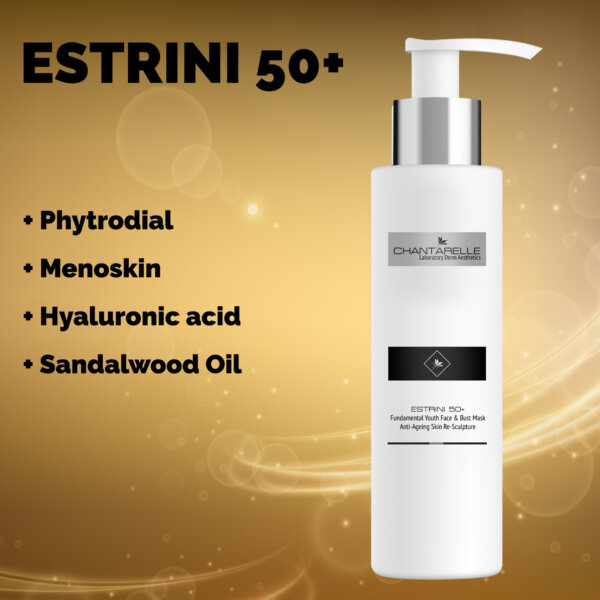
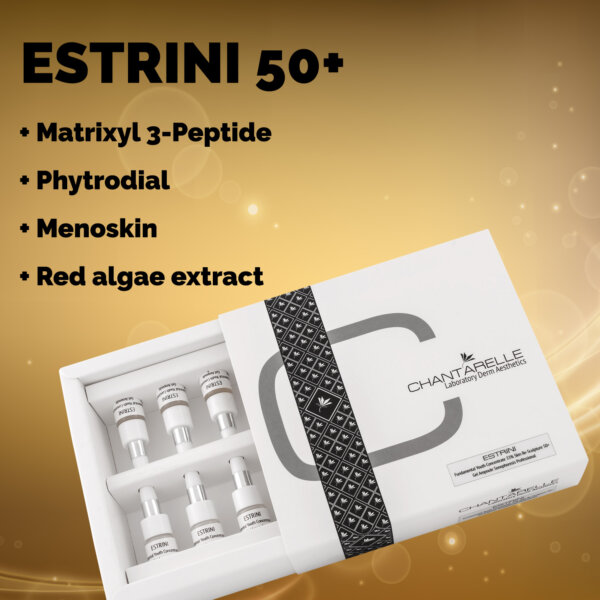
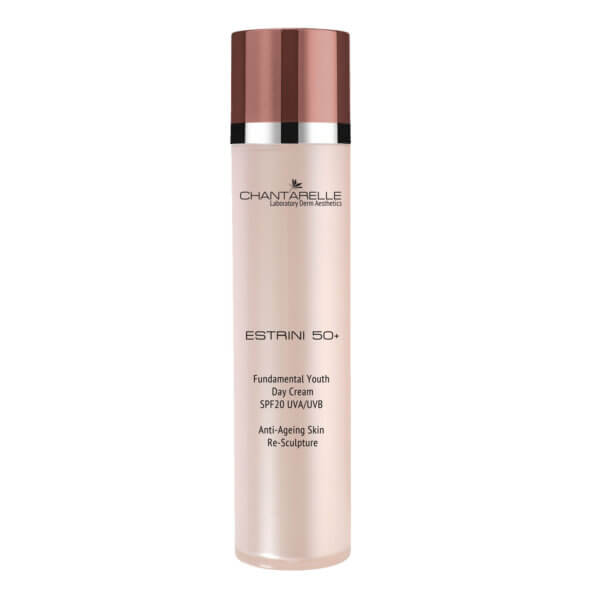
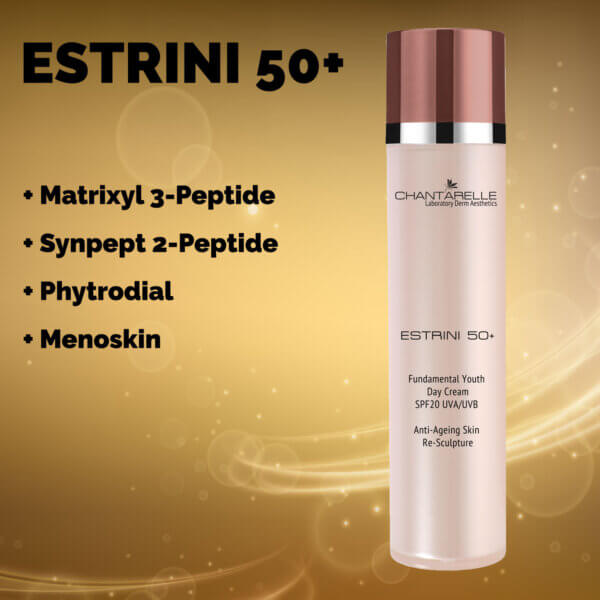
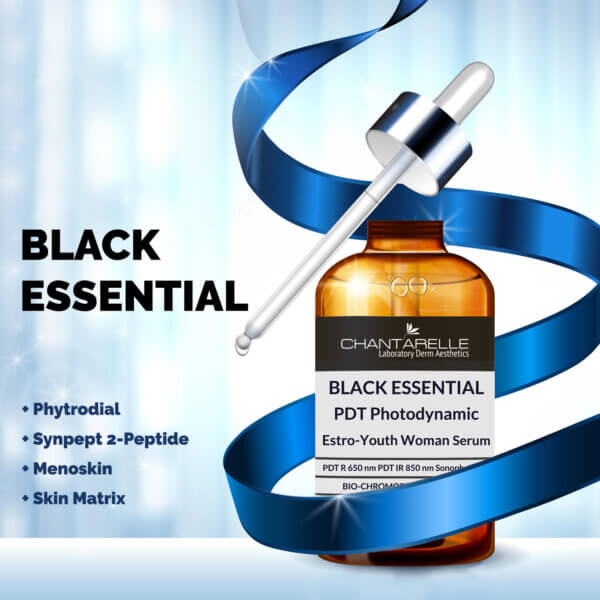
The brand Chantarelle has used an advanced phytoestrogen formula in the Phytrodial complex. The complex is featured in treatment and home care formulations in the Estrini 50+ line, designed for women with hormone-related skin problems. Estrini 50+ provides intensive active ingredients for skin requiring ‘thickening’, strengthening remodelling of elastic sub-fibre structure, reduction of deep structural wrinkles, restoration of hydration and elasticity.
Phytrodial is a specific phytoestrogen system obtained under biotechnological laboratory conditions with the task of achieving the best results in skin care, including breast and body care – to support, achieve and maintain the hormonal balance in the skin.
The complex consists of extracts from 8 plants:
- clustered spittlebush (Cimicifuga Racemosa)
- Japanese knotweed (Polygonum Cuspidatum)
- soy isoflavones (Soy Isoflavones)
- Chinese angelica (Angelica Sinensis)
- red clover (Trifolium pratense)
- granate (Punica granatum)
- Kudzu (Pueraria lobata)
- Kwao Krun (Pueraria Mirifica).
- Kwao Krun (Pueraria Mirifica).
The complex has proven effects in clinical studies in skin firming by, among other things, restoring the correct dynamics of metabolism in enzymatic pathways related to estrogen hormone management. It replenishes estrogen deficiency in the skin, stimulates the synthesis of collagen IV and VII, inhibits the action of the enzyme collagenase-antagonist MMPs, strengthens the dermal-epidermal junction DEJ, improves corneocyte cohesion, as a result firming the skin, improving elasticity, blood supply and colour.
Phytoestrogens in Chantarelle cosmetics