Try our novelties and bestsellers!»






Active ingredients in cosmetics, Skin care at home, Tips
TOP 7 active ingredients for winter skin rejuvenation
Jan
Every skin needs care and appropriately selected cosmetics at any time of the year. Cosmetic preparations support the skin’s natural resources and protect it from external factors that accelerate skin ageing.
On cold winter days, the skin is particularly susceptible to the damaging effects of factors such as strong winds, sometimes freezing temperatures, dry and heated indoor air and constant changes in temperature, all of which have a negative impact on the condition of the skin. At the same time, the UV index is minimal and it is during this period that it is best to include ingredients in your diet that are ‘not allowed’ in summer. The focus of this article is on the active cosmetic ingredients you should choose to take care of your skin in winter.
Lipids
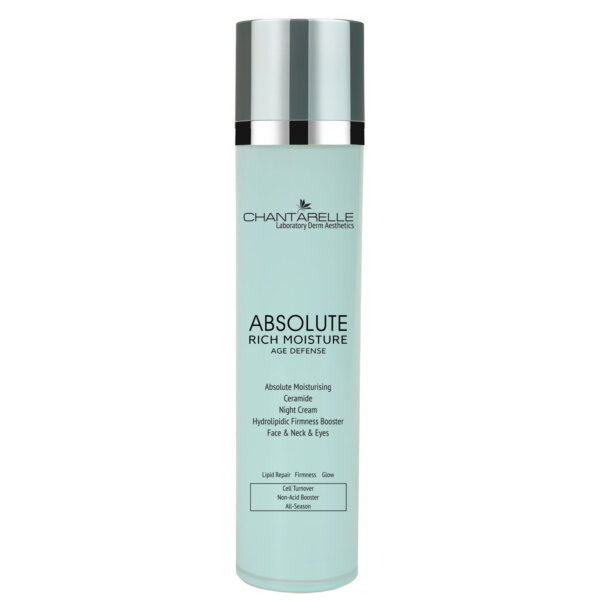
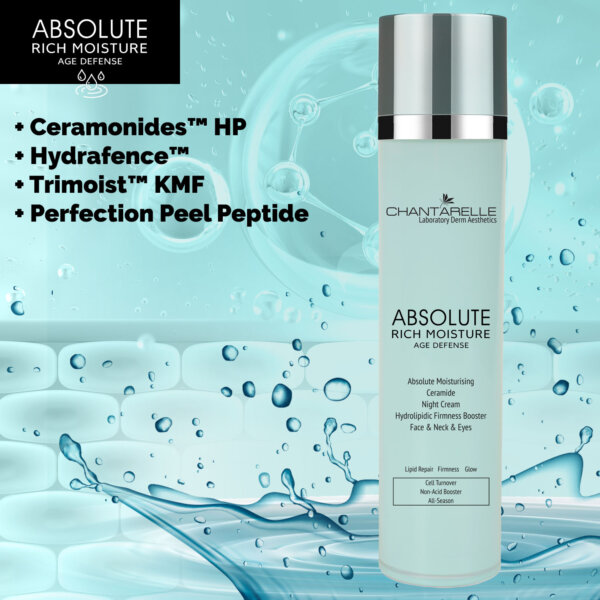
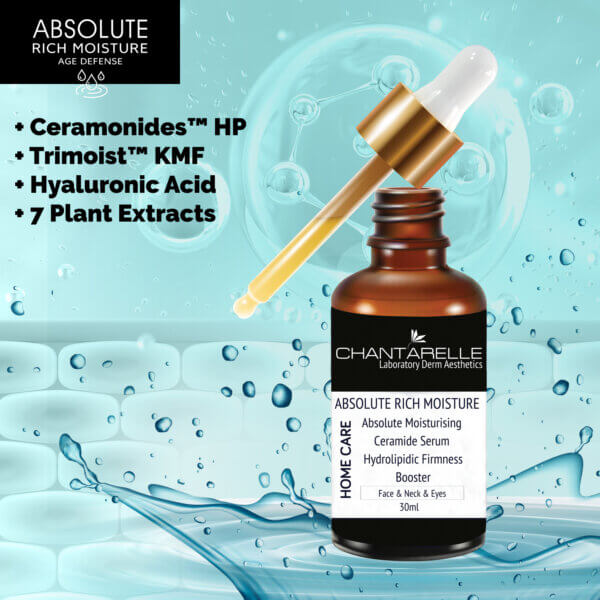
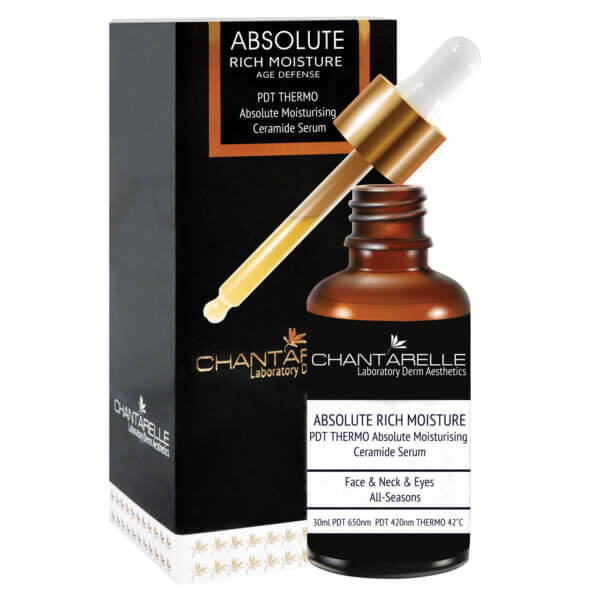
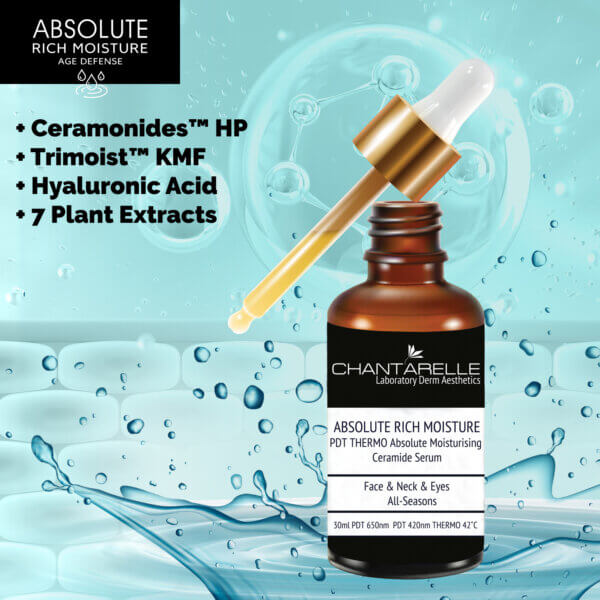
In winter, the natural protection of the epidermis is particularly important. The correct ratio of water and lipids in the skin helps the skin to avoid drying out and thus resist the cold. Lipids have a positive effect on the skin as they retain water in the upper layers of the skin and prevent water loss. Ceramides, cholesterol and fatty acids are essential lipids for healthy skin, which you can read about in the ‘Active Ingredients’ column on the packaging of each cosmetic. Chantarelle’s ingredient called Ceramosides™ HP has essential lipids for the skin as a complex of ceramides and essential fatty acids, which contain approximately 77% Omega 3,6,9 acids.
Natural Moisturising Factor (NMF)
As small molecules, they freely penetrate the stratum corneum and accumulate in it (as if ‘stuck’). They give a long-lasting moisturising effect – up to the exfoliation of the corneocyte in which they are “stuck”. The Trimoist™ KMF complex contains lamellar lipids, carnosine peptide and natural moisturising factor (NMF). All these factors make this complex ideal for cosmetics used in winter.
Hyaluronic acid
Hyaluronic acid, which is a natural polysaccharide, attracts and retains thousands of molecules, unlike NMF. However, only for a short period of time, as the water evaporates quickly. To avoid this, an occlusive cream should be applied over the serum; the fatty substances in the cream will ‘coat’ the polymer and prevent the rapid evaporation of water.
Retinol
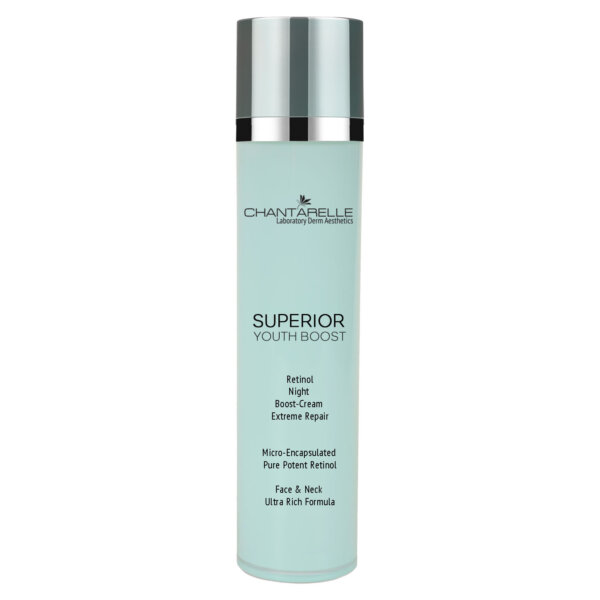
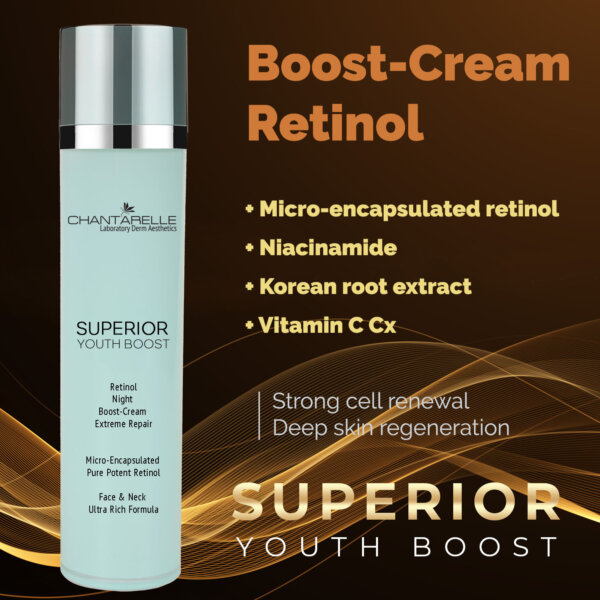
Retinoids are small lipophilic molecules that easily penetrate the stratum corneum. In the epidermis, retinol controls keratinisation and pigmentation processes, and in the dermis it stimulates the proliferation (division) of fibroblasts, which are responsible for collagen and elastin synthesis and hyaluronic acid synthesis. The only drawback to the use of retinol is its hypersensitivity to light and potential irritating effects. Therefore, it is logical that autumn and winter is the ideal time to use this ingredient.
Vitamins
In winter, not only do you need an extra dose of vitamins, but also your skin. Vitamins (from the Latin vita – life) are a group of small-molecule organic compounds of a diverse chemical nature. Vitamins contained in cosmetics maintain the link between the structural and functional characteristics of the skin and correct certain processes on the basis of biological action.
- Vitamin B3 (niacinamide) – inhibits melanogenesis, preventing the transfer of melanosomes from melanocytes to keratinocytes.
- Vitamin C – regulates melanogenesis, strengthens blood vessel walls and connective tissue. Because it is a procollagen vitamin.
- Vitamin E – is a lipophilic antioxidant that inhibits lipid peroxidation. It has two functions at the same time: it is an antioxidant and an emollient.
AHA acids
AHA acids help to even out the skin’s microsculpture. Effective skin rejuvenation is associated with the comprehensive biological action of AHA acids, including exfoliation, hydration, anti-inflammatory and remodelling effects. In the epidermis, AHA acids activate the epidermal exfoliation process; in the dermis, they influence the synthesis of the main elements of the intercellular matrix – collagen and glycosaminoglycans. Anti-inflammatory properties result from the ability of AHAs to influence the action of inflammatory mediators. AHA acids smooth the microsculpture, restore skin hydration and even out skin tone.
Whitening ingredients
Without the active sun, it is easier to lighten hyperpigmentation. What do we know of the most effective whitening ingredients? Kojic acid, citric acid, glycolic acid, azelaic acid, niacinamide, ascorbic acid, as well as bleaching peptides and retinol. The synergy of action of these ingredients helps several processes:
- Reduces existing pigmentation.
- Normalises the level of melanin production and its transport from melanocytes to keratinocytes.
- Eliminates the cause of hyperpigmentation.
Dr Khrystyna Shekhovtsova
Chantarelle expert, dermatologist and aesthetic physician
Cosmetics for winter