Try our novelties and bestsellers!»




Active ingredients in cosmetics, Cosmetic treatments
Acids for the reduction of acne vulgaris
Mar
Common acne is the most common inflammatory dermatosis in people between the ages of eleven and thirty. Probably affects up to 80 per cent of people in this group. However, it is also increasingly common in mature people. What cosmetic treatments are the most effective treatment for acne vulgaris? Experts agree that the action of acids is important in acne-prone skin care.
How acids work on skin with acne vulgaris
Cosmetic acids are important supports for acne-prone oily skin problems. During this dermatosis, the pH on the skin surface rises to 6.5, which disrupts the balance of the microbiome. Therefore, regular use of acidifying products with AHA acids is then recommended. With acne, as a result of the weakening of the adhesion of corneocytes and the loosening of the stratum corneum in the area of the hair follicle mouth, it is easier to remove blackheads and prevent their recurrence.
Effects of acids on acne-prone skin
-
- Reduce the cohesiveness of keratinocytes, making it easier to clear clogged sebaceous ducts.
- Exfoliation opens up the sebaceous glands and makes them accessible to other biologically active ingredients that reduce sebum secretion, normalise the lipid barrier and have an antibacterial effect.
- They also reduce the likelihood of the sebaceous glands becoming clogged.
- Reduce the likelihood of acne scarring.
- Prevent and lighten hyperpigmentation.
The mechanism of action of the acid peel is based on a strong disruption of the pH in the stratum corneum, resulting in a rapid stoppage of all enzymes responsible for keratinisation and exfoliation. The exfoliating power of a chemical peel is related to its pH – the lower it is, the stronger the peel. In order to stop the effect of an acid peel, it is necessary to restore the correct pH, for which purpose a neutraliser is used.
Best acids for acne reduction
Lactic acid
With acne vulgaris, the barrier structures and moisture retaining layer are severely damaged. As a consequence, the stratum corneum is not sufficiently moisturised. Lactic acid is part of the NMF and regulates the water balance of the skin, which is essential for the integrity of the functional hydro-lipid barrier. In turn, proper barrier function is necessary for the balance of the microbiome.
Azelaic acid
Inhibits 5a-reductase, reducing the production of dihydrotestosterone and thus the hyperactivity of sebaceous follicles. Reduces symptoms of inflammatory lesions such as papules, pustules and redness and erythema. Acts as a “scavenger” of free radicals that activate inflammatory processes. It lightens discolouration and scars and has an antibacterial effect. It does not cause phototoxic or photoallergic reactions, so it can also be used in summer.
Mandelic acid
It has moisturising and antibacterial properties, which is extremely important for acne-prone skin. Additionally, it regulates sebum secretion and soothes inflammation. It causes the epidermal cells to relax, leading to the exfoliation of the superficial epidermal cells. Therefore, the outlets of the sebaceous glands are unblocked. The skin becomes smooth and brightened.
Pyruvic acid
Is a ketoacid with high lipophilicity. It readily penetrates the sebaceous glands and has keralotic, bacteriostatic and depigmenting effects. Pyruvic acid is therefore a substance used in the treatment of acne as well as hyperpigmentation, scars and acne keratosis, and the removal of warts. Pyruvic acid’s ability to reduce sebum secretion is additionally scientifically proven.
Salicylic acid
Has antibacterial and anti-inflammatory effects. It unclogs the sebaceous ducts, clogged by unregulated sebum due to abnormal, excessive keratinisation of the hair follicle mouths. Thanks to its good fat solubility and penetrability through the sebum layer, it penetrates deep into the hair follicles, facilitates sebum drainage and reduces its accumulation inside the sebaceous glands. As a result, it reduces blackheads and symptoms of inflammation, and reduces the formation of new ones.
Functions of acids
The table below gives examples of acids used to reduce hyperkeratosis, blackheads and papulopustular acne
| Acid | For skin with impaired barrier function | Keratolytic effect | Hydration | Antibacterial effect | 5-a-reductase inhibitor | Tyrosinase inhibitor |
| Salicylic acid | + | + | ||||
| Lactic acid | + | + | + | + | ||
| Almond acid | + | + | + | |||
| Azelaic acid | + | + | + | + | + | |
| Pyruvic acid | + | + | + |
Chantarelle acids for acne
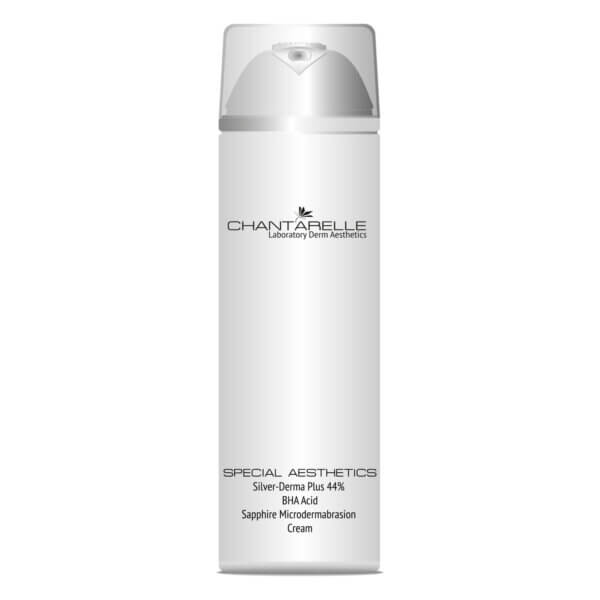
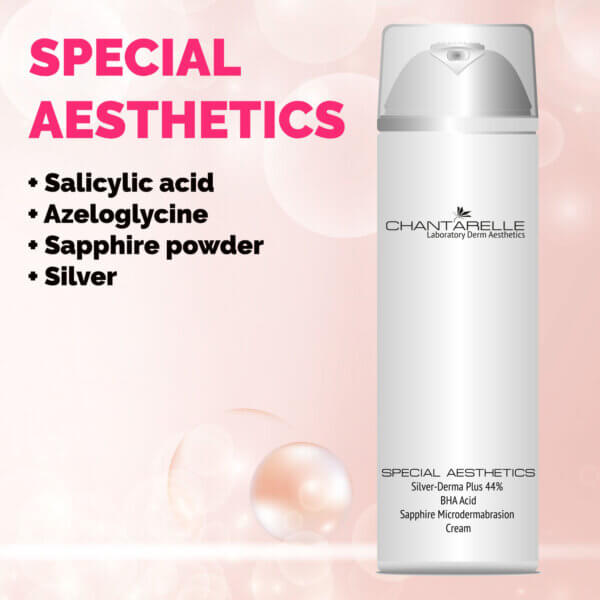
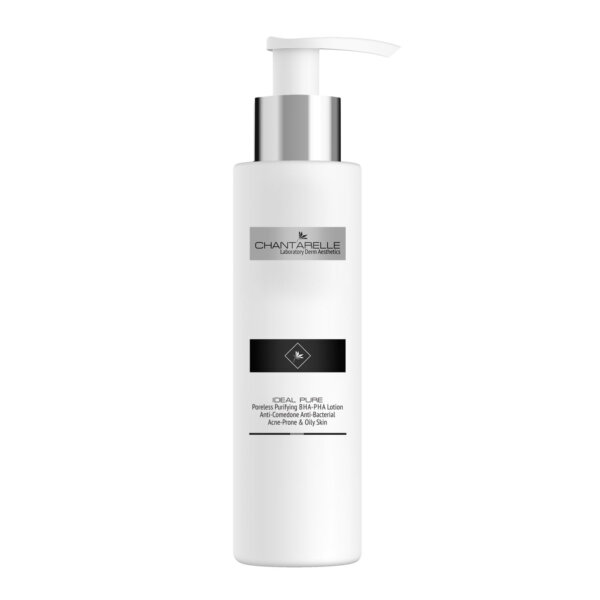
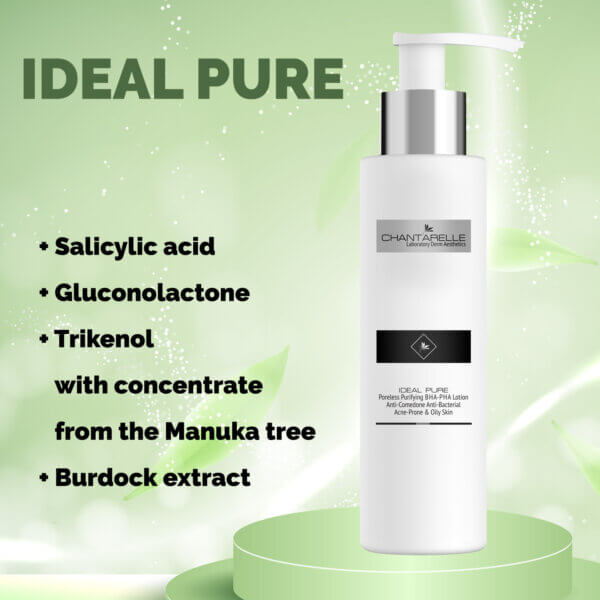
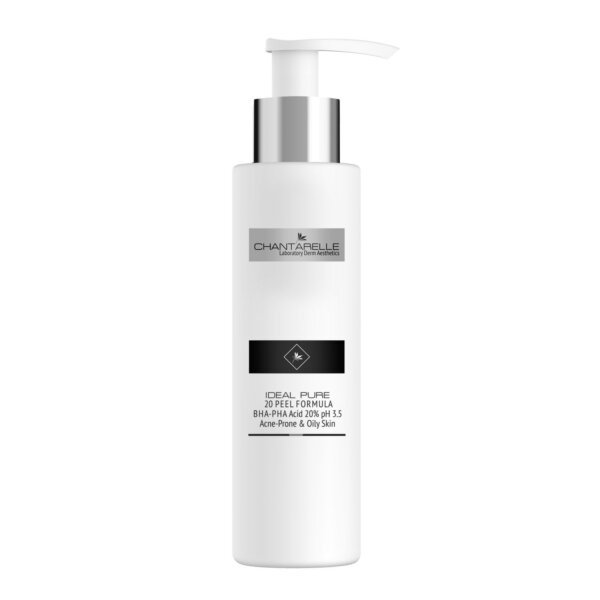
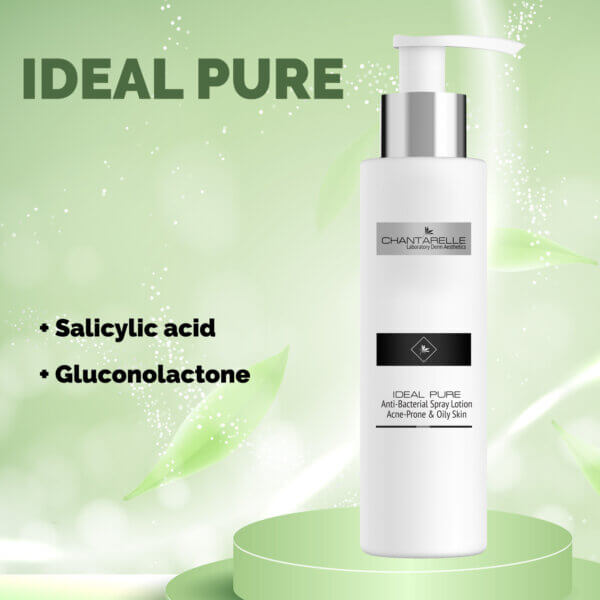
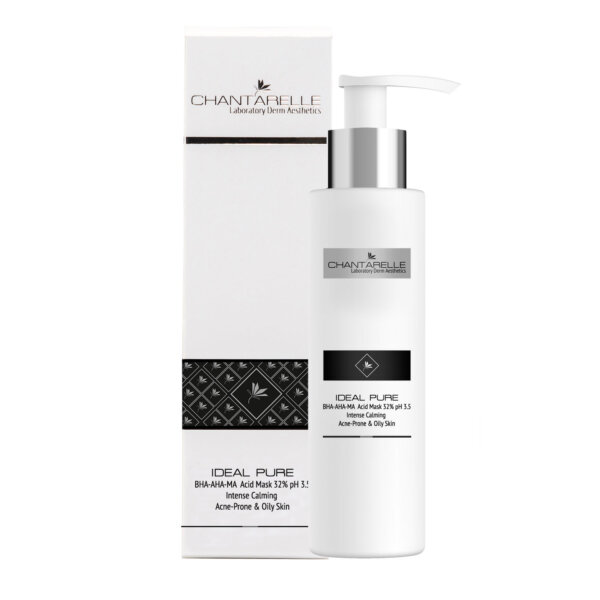
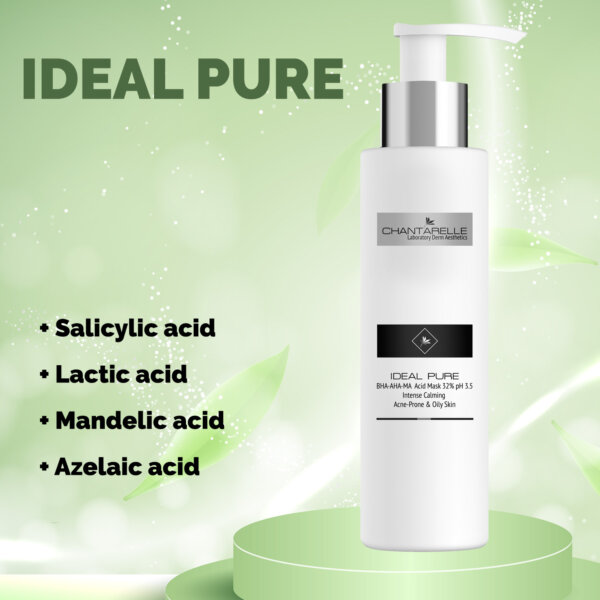
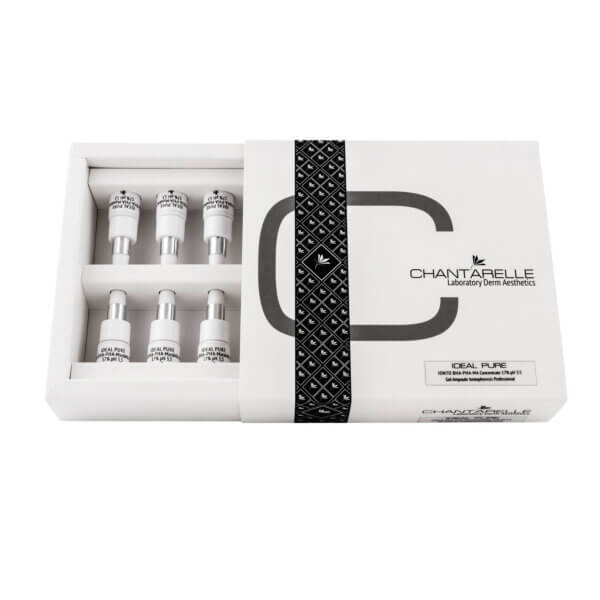
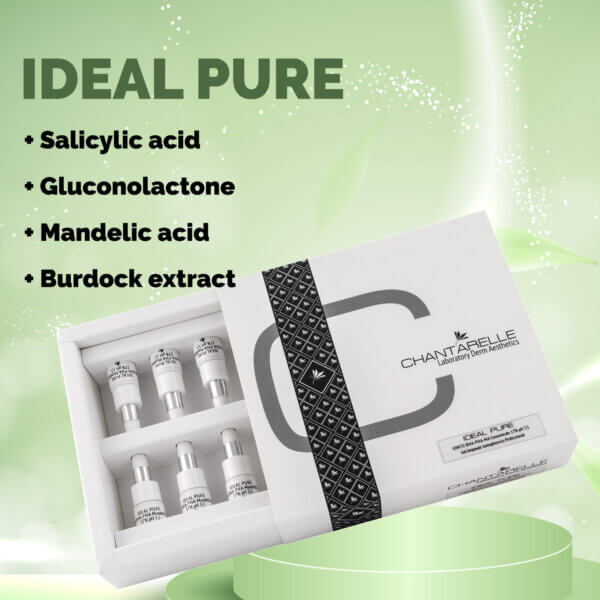
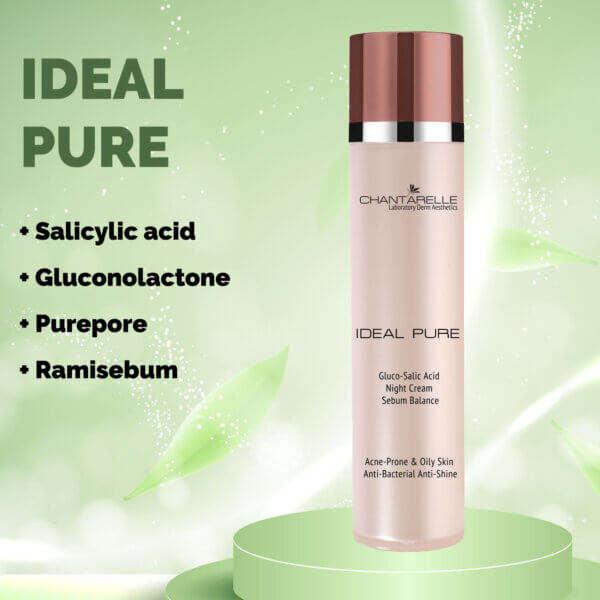
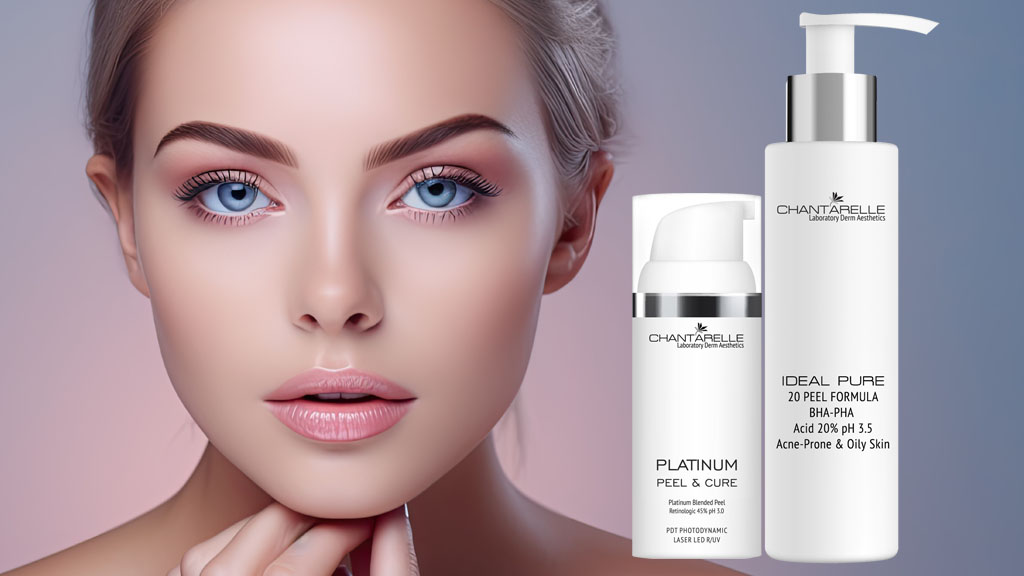
Chantarelle’s range for acne-prone skin includes mono-acids and cocktails composed of several acids. For oily skin with acne vulgaris, there is also a treatment from the Ideal Pure line based on the antiseptic and keratinising salicylic acid and with the gentle action of glucolactonic acid. The action of the acids is also supported by other active ingredients with antibacterial and anti-inflammatory effects. The right choice of chemical peels and comprehensive care of oily skin can prevent or significantly reduce the severity of acne and its sequelae.
 dr Khrystyna Shekhovtsova
Chantarelle expert, dermatologist and aesthetic physician
Chantarelle acids for acne vulgaris