Try our novelties and bestsellers!»




-
×
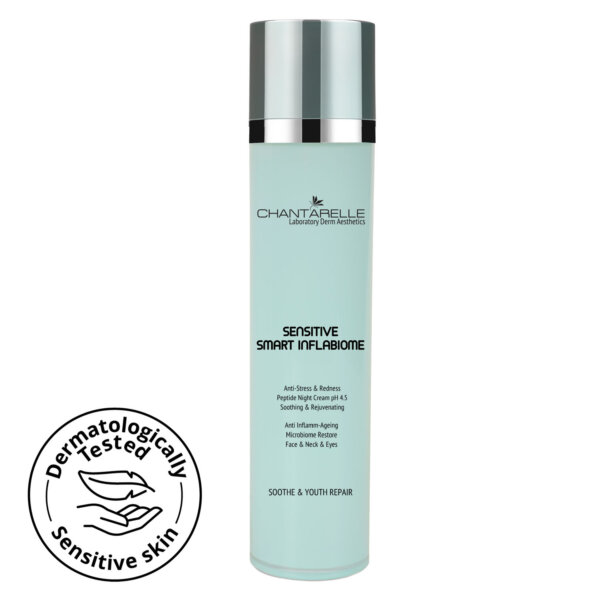
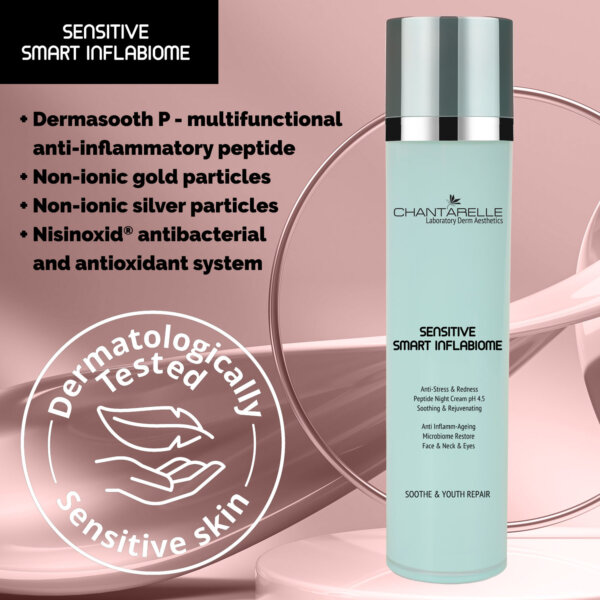
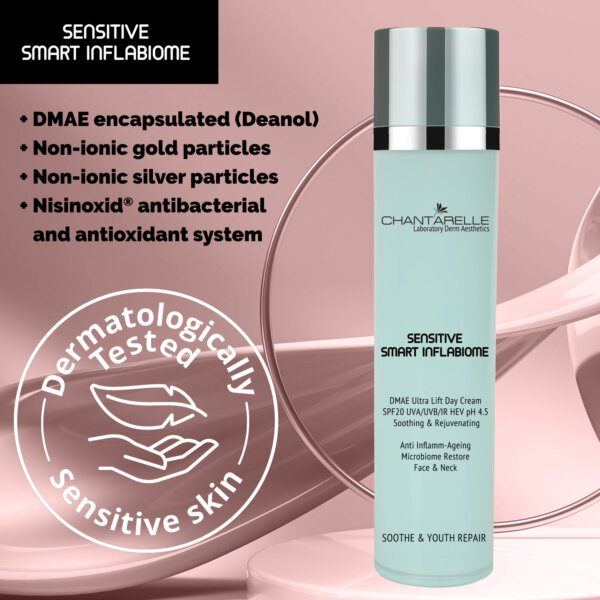
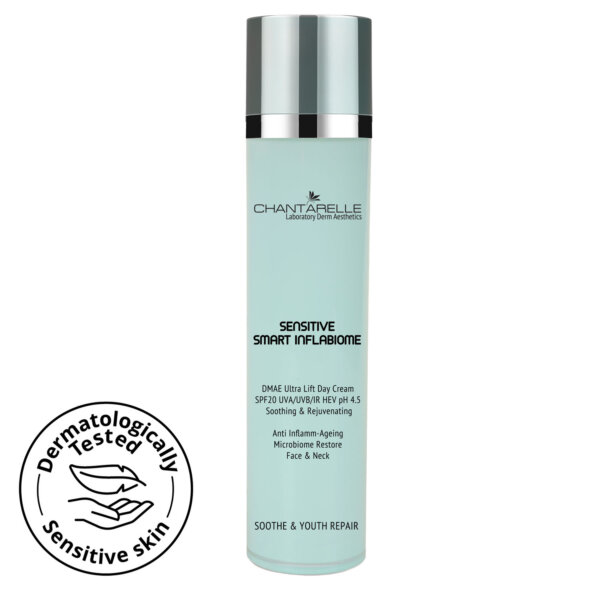 Anti-Inflammatory Day Cream SPF20 Sensitive SkinCD1481Linia: Sensitive Smart Inflabiome1 × Original price was: £ 55,00.£ 49,00Current price is: £ 49,00.
 -
×
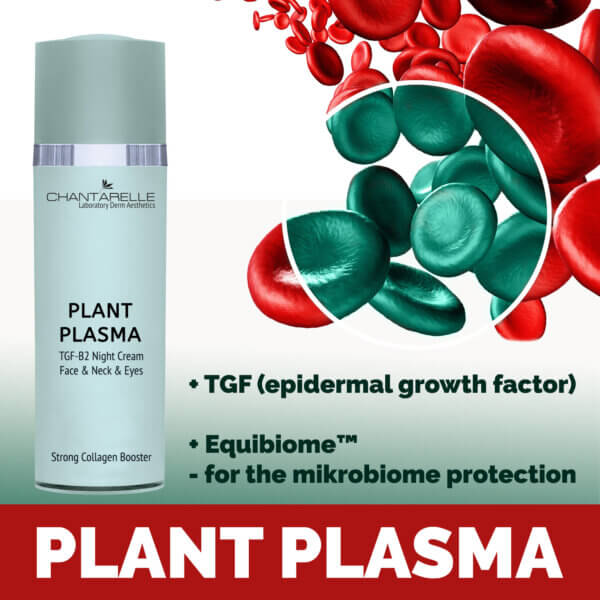
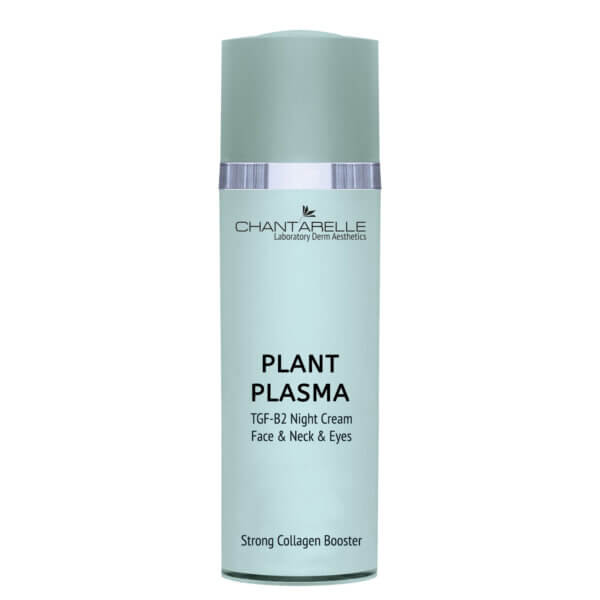 Collagen Booster Night Cream with TGF for Microbiome BalanceCD1480Linia: Plant Plasma1 × Original price was: £ 56,00.£ 50,00Current price is: £ 50,00.


Skin care at home, Active ingredients in cosmetics, Tips
Facial creams for winter – protection and care
30
Dec
Dec
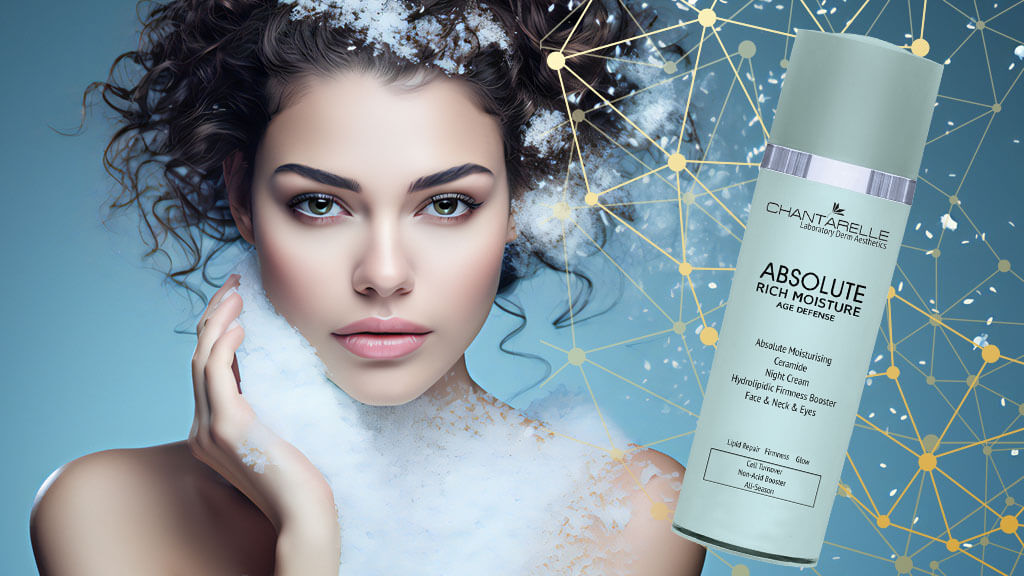
Face cream for winter is a must have, as the winter season is a real test for facial skin. It is exposed to a number of harmful factors: cold winds, low air temperatures, too dry rooms (heating and air conditioning), mechanical friction on clothing, lack of vitamins.
It is also not clear what affects the skin worse: bad weather or sudden temperature changes. What we certainly know is that you need cosmetics that protect and strengthen your skin. What face cream to use in winter? This is a question we ask ourselves from November to February.
Frost cream – the most important protection for winter
Frost creams are designed to rebuild the skin’s hydrolipidic barrier, soften, soothe and protect. Well-chosen creams will manage this lipid barrier regeneration plan. Nourishing and strengthening the skin can be done in two ways:
Internallyie – by following a healthy diet and taking supplements.
Nutrients, proteins and carbohydrates, vitamins and minerals from the digestive system penetrate into the blood and then into the skin cells.
Externalande – nourishing skin with lipids.
Lipids form the epidermal barrier (lipid layer) and participate in the metabolism of biologically active molecules. The lipid barrier is responsible for protecting the skin.
How is the skin’s lipid barrier damaged?
The lipid barrier layers are separated by water, which is in constant movement, the molecules of which move and, reaching the top layer, evaporate from the skin. Slight evaporation of water is normal, but excessive evaporation, caused by the disruption of the lipid layers, is detrimental to the skin – the skin becomes dry and tight, irritation and cracking can occur. What’s more, it opens the door to germs, toxins and allergens that can cause certain skin diseases. The quickest way to restore a healthy and tight skin barrier is to use products containing three key types of lipids: ceramides, fatty acids (oils) and cholesterol.
Facial cream for winter – how do nourishing creams differ from moisturisers?
Moisturising creams contain substances that can bind and retain water molecules. They adhere to the surface of the epidermis and absorb moisture like a sponge, creating a kind of ‘wet compress’. There are many, here are some of them: glycerine, hyaluronic acid, collagen, elastin, NMF. However, the use of ‘wet compress’ moisturisers is not always justified. When we stay in a room with dry air, this compress starts to “draw” water out of the skin and the stratum corneum becomes even drier. This is why we are obliged to ‘seal’ it with lipid components during the winter period. We can apply moisturising ingredients in the form of a ‘wet compress’ e.g. in a serum, but then apply a nourishing cream with ceramides, cholesterol and fatty acids (oils). At any time of year, including winter, you should adapt your home care in the same way as you change your wardrobe. We wish you beautiful days and beautiful skin in the New Year!
 dr Khrystyna Shekhovtsova
Chantarelle expert, dermatologist and aesthetic physician
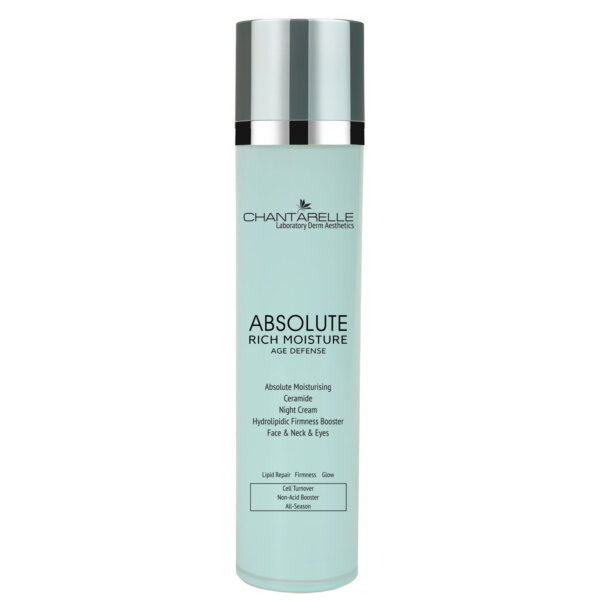
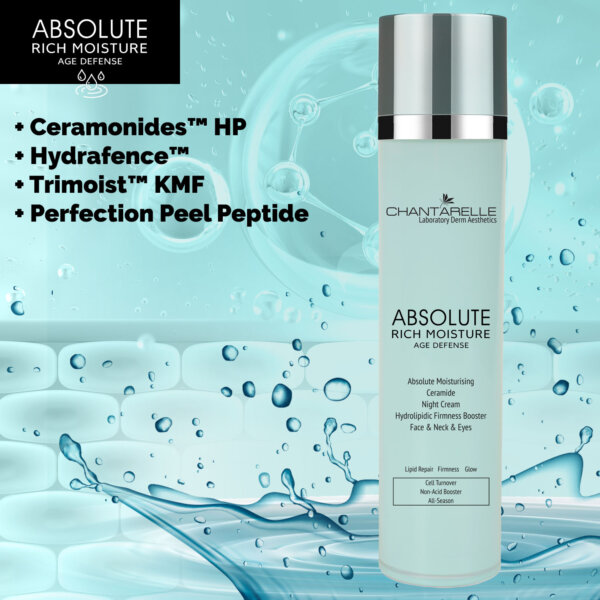
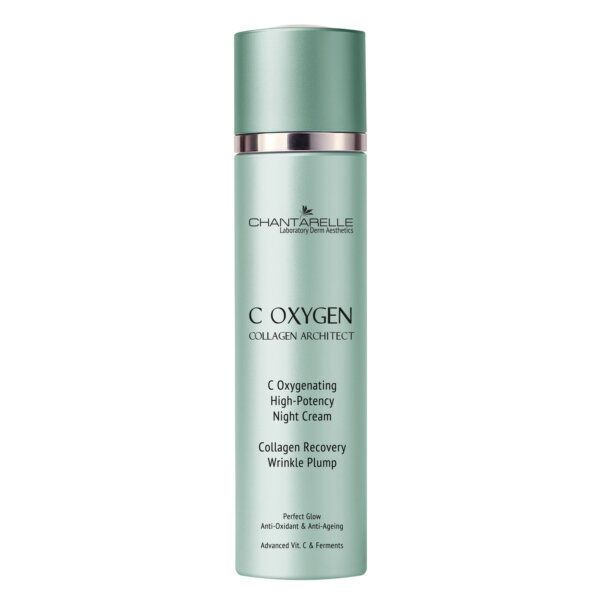
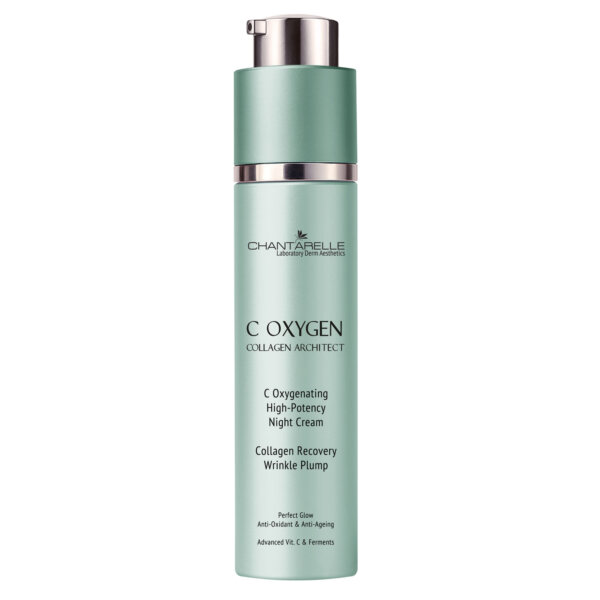
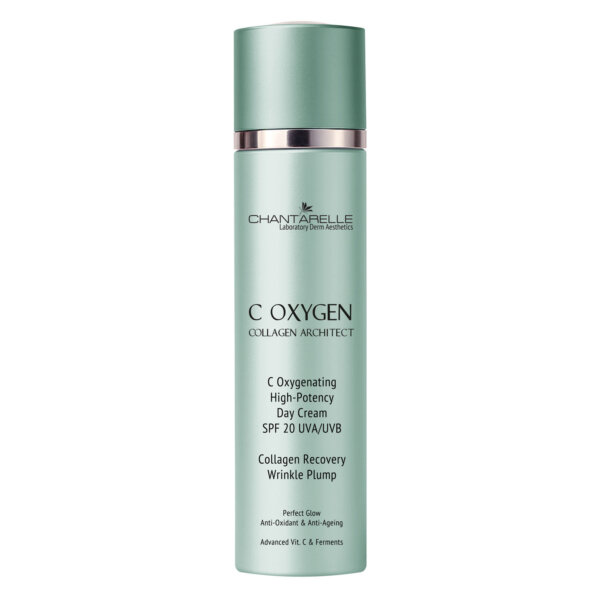
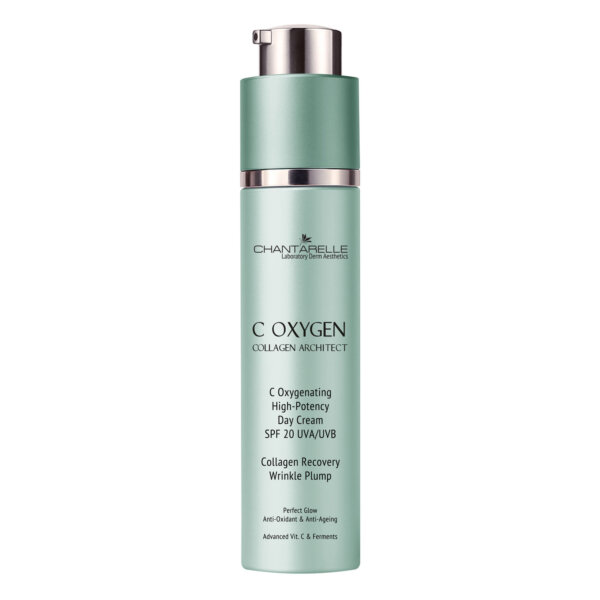
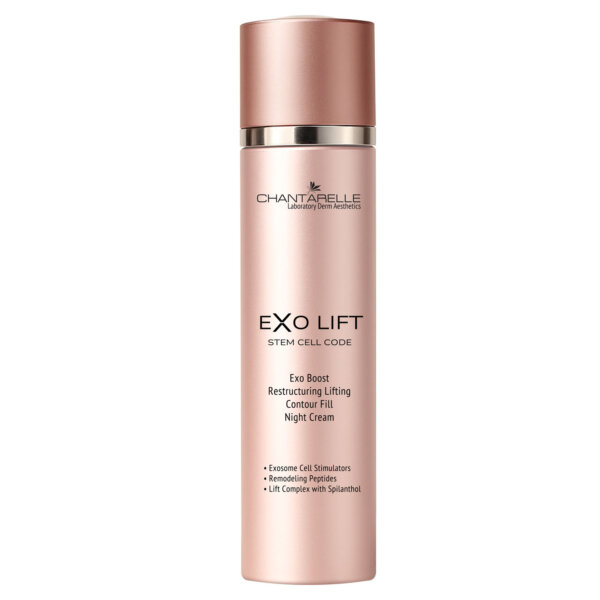
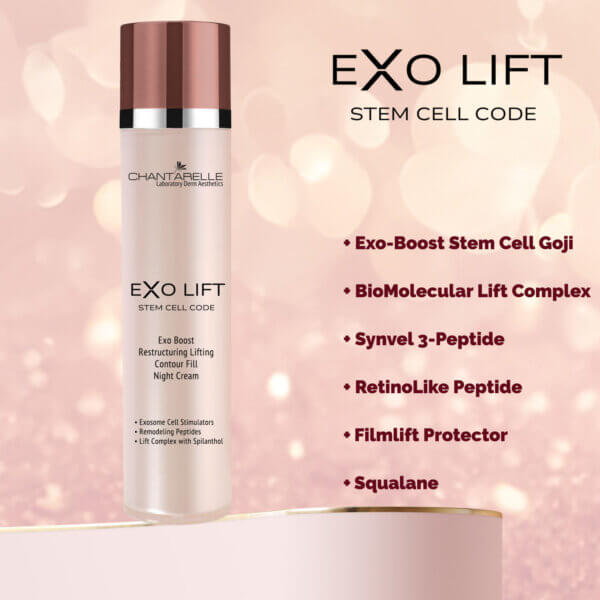
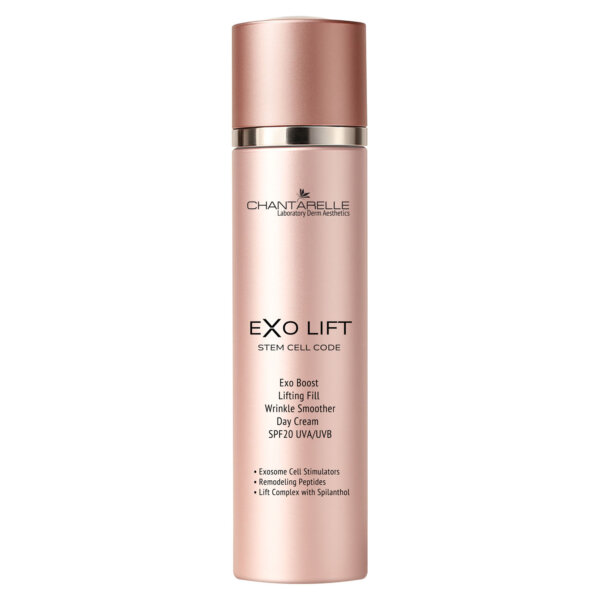
Chantarelle's nourishing and moisturizing creams
New
Out of stock
Sale!
NEW
Sale!
Sale!