Try our novelties and bestsellers!»




-
×
 Anti-Stress Peptide Night Cream Sensitive SkinCD1482Linia: Sensitive Smart Inflabiome1 × £ 55,00
 -
×
 Anti-Stress Peptide Serum Sensitive SkinCD120630Linia: Sensitive Smart Inflabiome1 × £ 55,00
 -
×
 Anti-Glycation Toning Mist with BiofermentCD0224Linia: Regenevia DNA1 × £ 32,00
 -
×
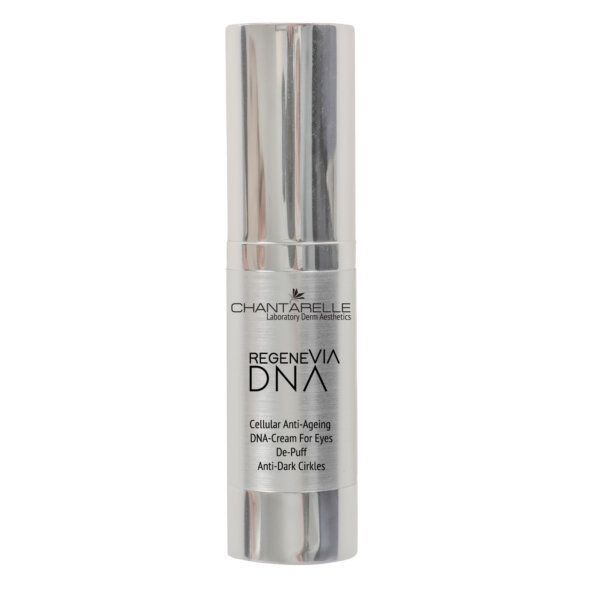 Cellular DNA Cream For Eyes Anti-Dark Circles with Algal Stem CellsCD061215Linia: Regenevia DNA1 × £ 45,00
 -
×
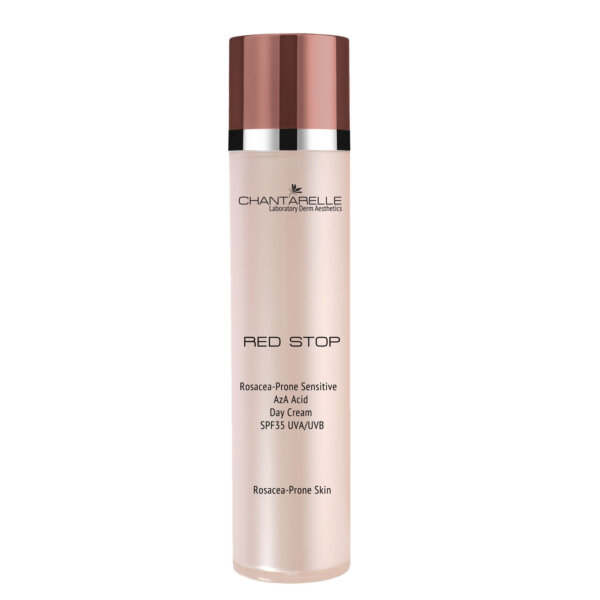 Sensitive Rosacea Day Cream SPF35 UVA/UVBCD1329Linia: Red Stop1 × £ 42,00
 -
×
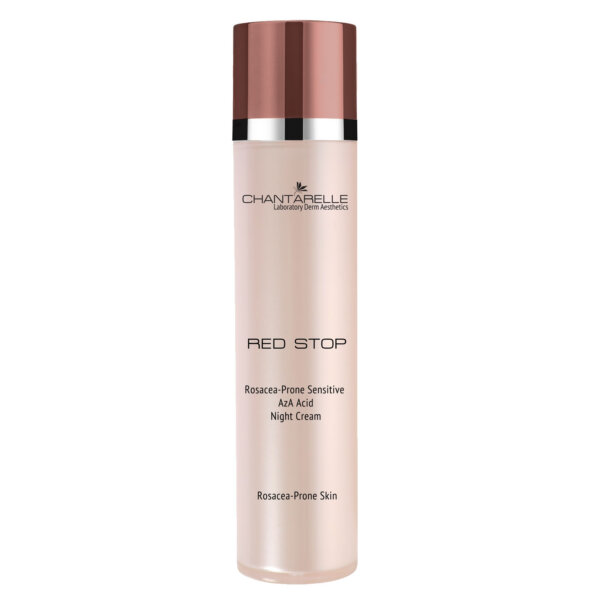 Sensitive Rosacea AzA Acid Night CreamCD1330Linia: Red Stop1 × Original price was: £ 42,00.£ 39,00Current price is: £ 39,00.
 -
×
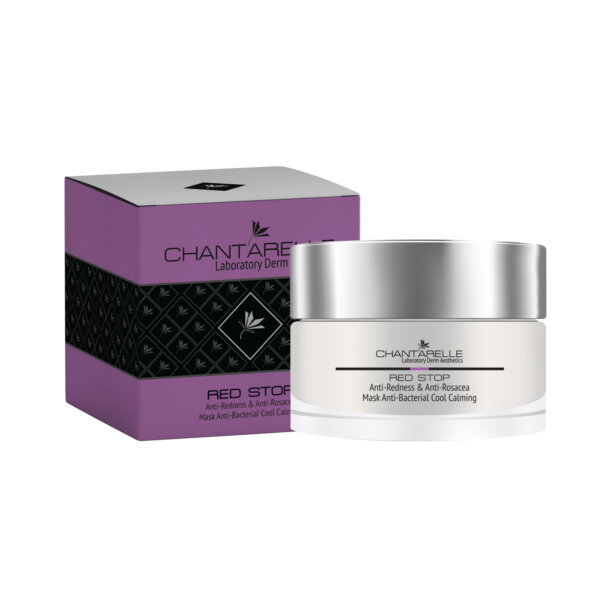 Anti-Redness & Anti-Rosacea Mask Anti-Bacterial Cool CalmingCD0814Linia: Red Stop1 × £ 40,00
 -
×
 Anti-Inflammatory Mask Sensitive SkinCD0864Linia: Sensitive Smart Inflabiome1 × £ 3,90


Dermatology, Tips
Inflamm-aging – chronic inflammatory ageing. What is the impact on skin ageing?
17
May
May
Aging is one of the most complex biological phenomena that affects all physiological systems of the human body, including the immune system. One of the manifestations of ageing is the so-called age-related inflammatory ageing and increasedmamounts of inflammatory mediators. This process is called inflamm-aging.
How does the skin react to the inflammatory process?
An important role in the formation of ‘inflammation’ is attributed to the chronic stimulation of the immune system by exogenous and endogenous pathogenic signals and damaging factors. Among these, viruses, the microbiome, free radicals etc. are the main aggressive factors. Inflammation is a natural defence response of the whole organism, including the skin. It is a defence process against pro-inflammatory bacterial and viral agents, as well as stress and toxic stimuli. This defence reaction simultaneously starts the whole process of repairing damaged cells.
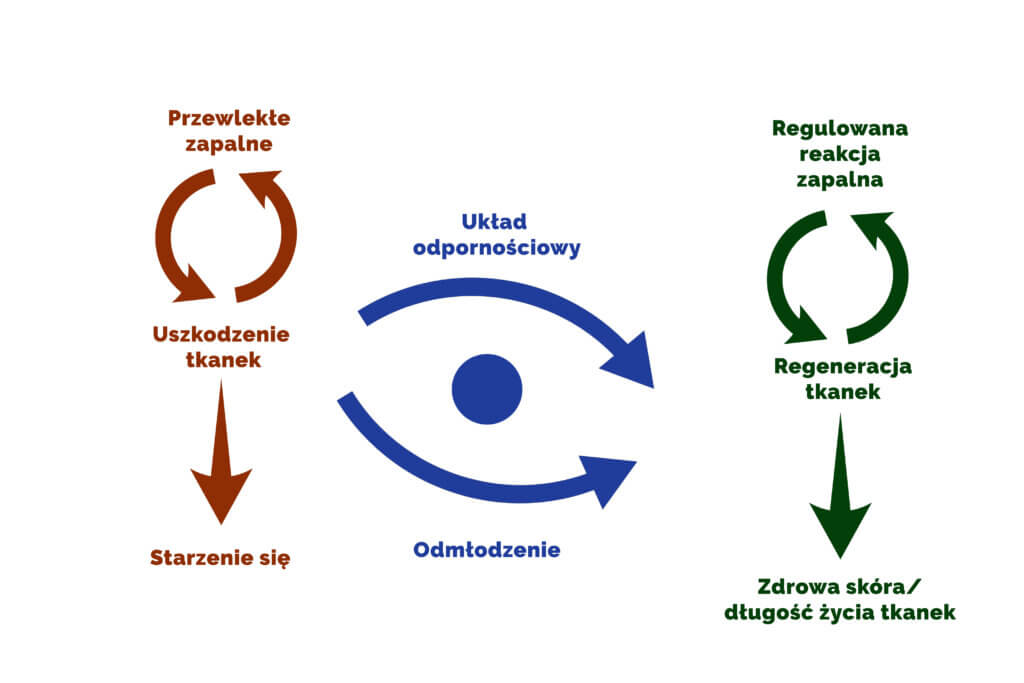
Inflamm-aging – inflammatory skin ageing
Normal short-term inflammation is an integral part of the healing process and an ally of damage repair. However, if the inflammation is continuously over-stimulated due to misread signals by the immune system, it develops into a so-called chronic, chronic, low-grade inflammation and marks the onset of so-called Inflamm-Ageing or inflammatory skin ageing. This directs the forces of the immune system and cellular energy to fight off the aggressors, thus impairing or preventing natural cell renewal. The immune system is a complex system of cooperating immune cells, including Langerhans cells, macrophages and dendritic cells. It is designed to efficiently respond to aggressive agents and repair damage. It is composed of both pro-inflammatory and anti-inflammatory mediators. In response to increased pro-inflammatory aggressors – it releases anti-inflammatory mediators to restore balance and attempts to protect the weakened skin barrier at the same time.
Acting in afeedback loop triggers a cascade of defensive actions against inflammation. This forces the mitochondria to increase cellular energy production to combat constant inflammation. The prevalence of inflammatory cytokines, or pro-inflammatory mediators, over anti-inflammatory mediators results in the production of irritation and chronic inflammation. And this leads to skin damage. The three most important inflammatory cytokines that cause irritation are: IL-1α, IL-8 and TNF-α.

Sensitive skin and chronic inflammatory ageing Inflamm-aging
Inflamm-ageing is one theory concerning the causes of skin ageing and pointing to chronic inflammatory processes as the cause of this process. Inflammatory ageing affects all skin types, but sensitive skin is particularly vulnerable. It has an increased sensitivity to internal and external stimuli. Common symptoms are stinging, itching, burning, erythema, redness, papules or blisters, dryness, flaking. Factors that influence the reactions of sensitive skin are psychological factors (stress, emotions) and hormonal factors. Environmental factors (pollution, smog) and physical factors (UV radiation, heat, cold, stimulants, detergents, diet) also play an important role.
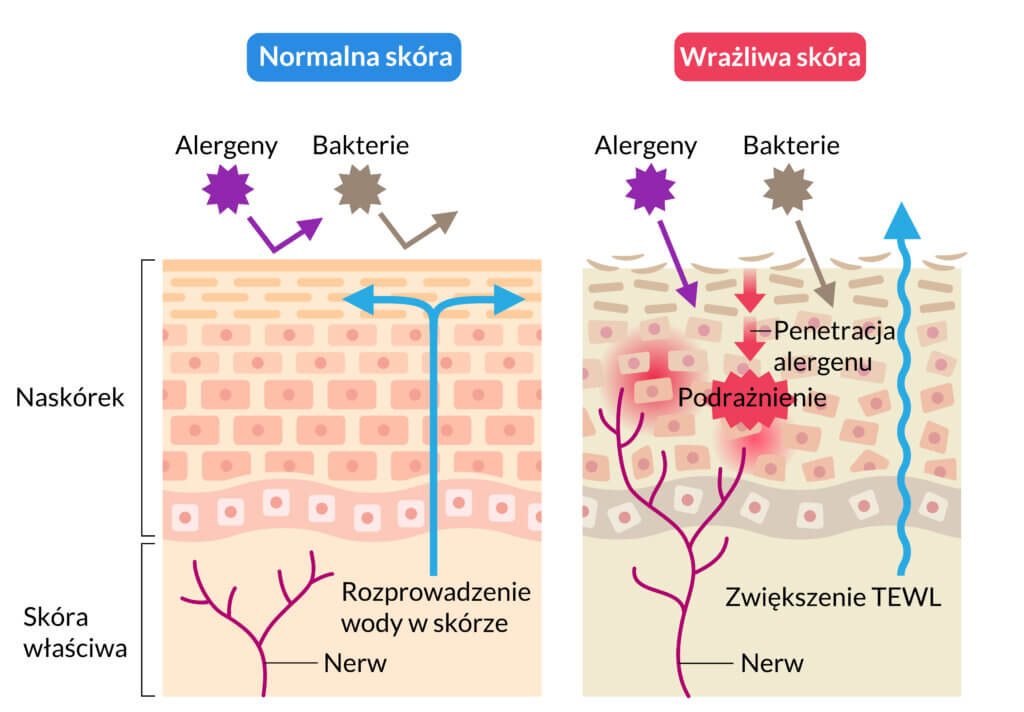
Main factors affecting skin sensitivity
-
- Epidermal barrier status, which is influenced by increased permeability of the stratum corneum (poor barrier function), increased transepidermal water loss (TEWL) and increased penetration of pro-inflammatory aggrecan agents.
- Sensitivity is a major factor in skin sensitivity.
- Pro-inflammatory neural responses, resulting in the induction of inflammatory changes on a stress-induced basis. Underlying the altered responses is nerve dysfunction in the skin. Sensory receptors are not only found on nerve endings, but also in keratinocytes. This may explain why sensitive skin reacts so strongly to various environmental, physical and chemical factors.
- The skin microbiome, on which the skin’s resistance to pro-inflammatory agents depends. An imbalance of the microbiome can lead to an increase in adverse symptoms in sensitive and reactive skin.
How to counteract Inflamm-ageing?
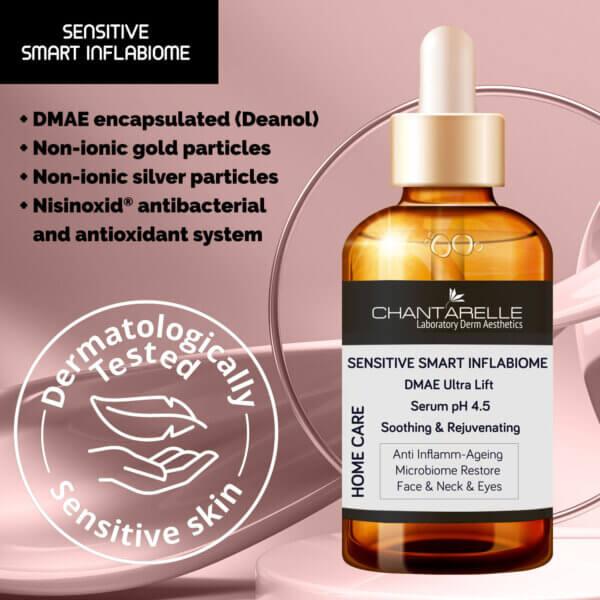
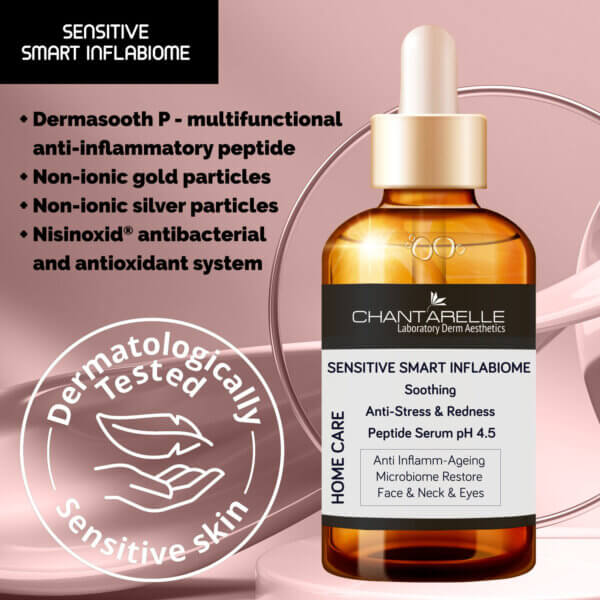
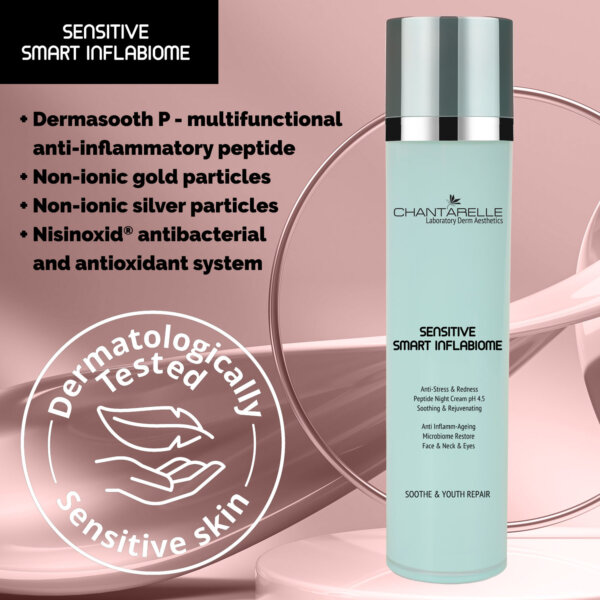
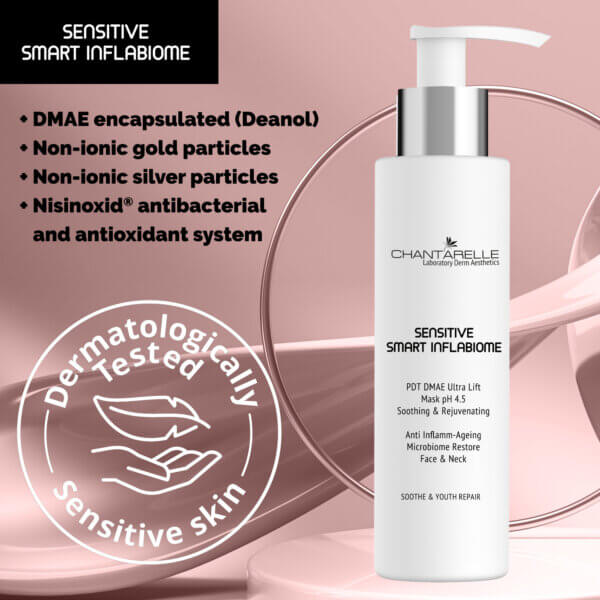
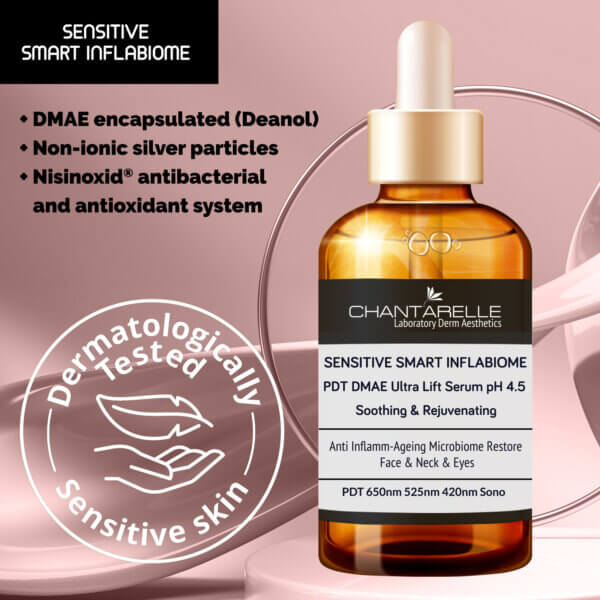
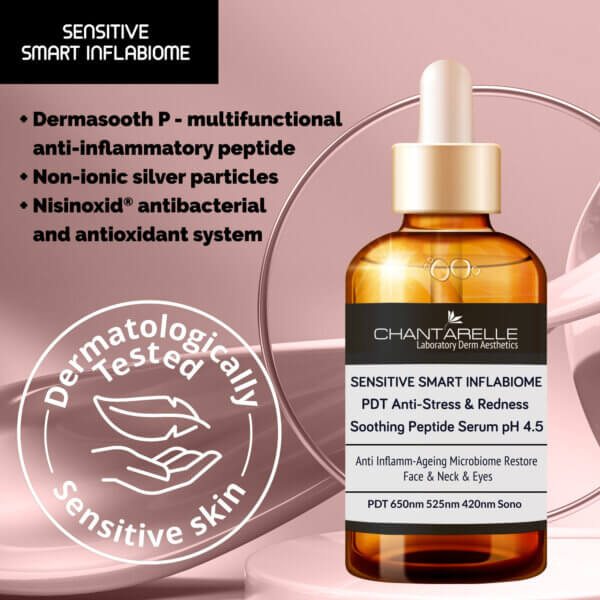
It is important to protect yourself from harmful external factors such as UV radiation, among others. It is worthwhile to take care of the restoration of the natural protective barrier and a healthy lifestyle. Properly selected cosmetic treatments and home care will also help to significantly reduce inflammation of the skin and reduce the risk of premature ageing. The innovative cosmetic line Sensitive Smart Inflabiome is specifically designed for sensitive skin with neurogenic stress symptoms, reactive skin prone to redness, dry skin, mature skin and vascular skin. The line uses valuable active ingredients such as Dermasooth P P Peptide, non-ionic gold and silver particles, Nisinoxid® – nisin peptide, aseloglycine, glucolactone, encapsulated Deanol. These improve the condition of sensitive skin and nullify harmful pro-inflammatory effects, regenerate the microbiome and strengthen the tightness of the skin barrier, reduce wrinkles and produce a lifting effect.
 dr Khrystyna Shekhovtsova
Chantarelle expert, dermatologist and aesthetic physician