Try our novelties and bestsellers!»




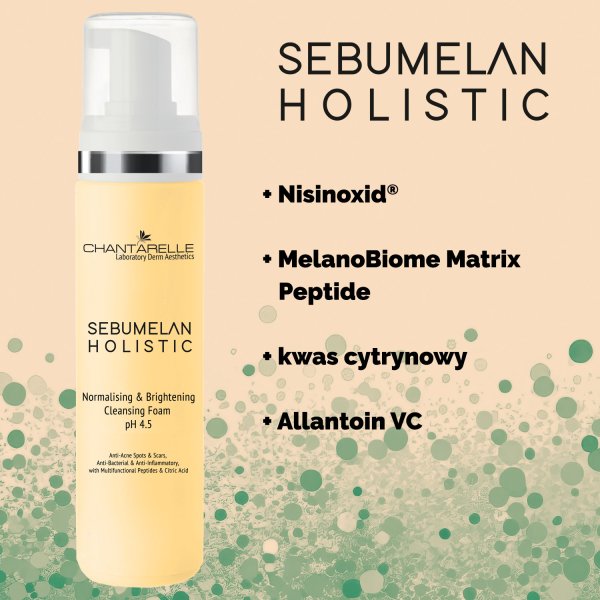
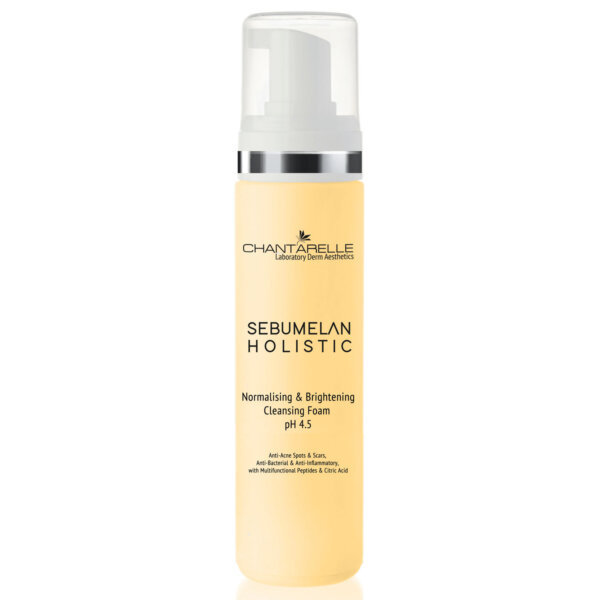 Normalising & Brightening Cleansing Foam with Citric Acid

Active ingredients in cosmetics, Cosmetic treatments
Reduction of hyperpigmentation with chemical peels
Mar
Chemical peels are one of the more commonly performed treatments in cosmetic and aesthetic medicine practices. Why are they still such a sought-after treatment for hyperpigmentation and uneven skin tone?
How hyperpigmentation occurs
Chemical peels with various types of acids exfoliate dead skin cells and stimulate the skin to renew itself. Skin discolouration is caused by vascular disorders and oxidative stress. The cells and systems involved in this process are keratinocytes, melanocytes, the immune system and lipid peroxidation. A change in the colour of a piece of skin is a ‘reaction’ to various stress factors, but also to a chemical peel that is too aggressive for the skin. Therefore, when choosing a depigmentation treatment, we must take into account the physiological characteristics of the skin and all the processes in the cells and systems involved in melanogenesis. . .
| Factors affecting skin tone |
| Hyperpigmentation Vascular disorders Oxidative stress |
| Cells and systems involved in the pigmentation process |
| Keratinocytes Melanocytes Immune system Lipid peroxidation |
Types of chemical peels
Acid peels are divided by depth of penetration and effects:
- superficial peelings – act only on the upper part of the skin i.e. the epidermis.
- medium-depth peelings and deep peelings – acids together with active ingredients penetrate through all layers of the epidermis and reach the dermis.
How to choose a peel to remove hyperpigmentation
The vascular system plays a key role in managing pigmentation. A chemical peel is a controlled inflammation of the skin. Therefore, for skin with vascular sensitivity, surface peels are chosen to correct pigmentation. On the other hand, for skin without vascular sensitivity to reduce spots and hyperpigmentation, we can use more aggressive peels. There are some acids that take precedence in addressing pigmentation problems. Firstly, selected acids are involved in melanogenesis. Secondly, some acids stimulate skin renewal, which makes the skin have a better breakdown of melanin in keratinocytes.
Acids recommended for depigmentation treatments
Kojic acid
Has excellent anti-inflammatory and whitening effects. It blocks the enzyme tyrosinase, necessary for melanin synthesis. Kojic acid is non-toxic and does not cause damage to skin cells, but it specifically interacts with the enzyme, slowing and limiting its action. Therefore, its use is safe.
Citric acid
It has a mattifying, whitening, antioxidant, renewing and rejuvenating effect. The effects of citric acid peels include: normalisation of keratinocyte proliferation, deep cleansing of the skin, smoothing of wrinkles and fine lines, reduction of hyperpigmentation and brightening of the skin, as well as skin regeneration and reconstruction.
Lactic acid
A component of the natural moisturising factor of the stratum corneum (NMF). Has a pronounced moisturising and slightly exfoliating effect on the skin. It is invaluable for blemished skin as it increases the skin’s water balance, which is fundamental to its health and antioxidant stability.
Pyruvic acid
It exfoliates very gently without causing dryness or tightness. On the contrary, when it penetrates the skin, it is reduced to lactic acid due to the lack of oxygen. Lactic acid, in turn, perfectly moisturises the skin and helps restore the water balance. This makes it indispensable for those with skin with blemishes and spots.
Azelaic acid
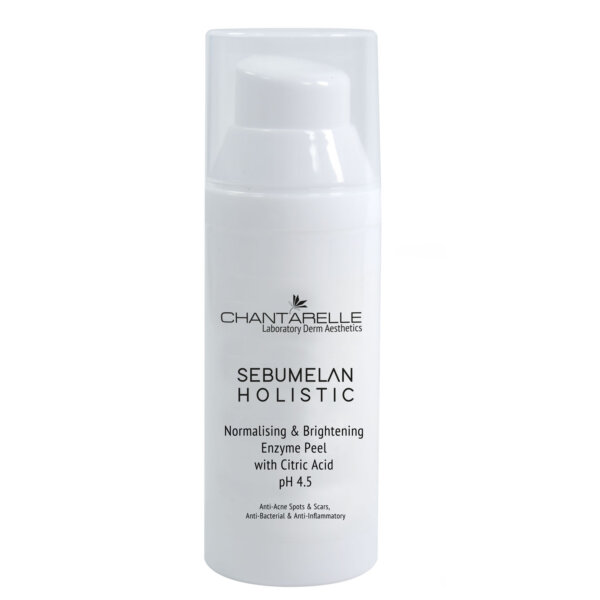
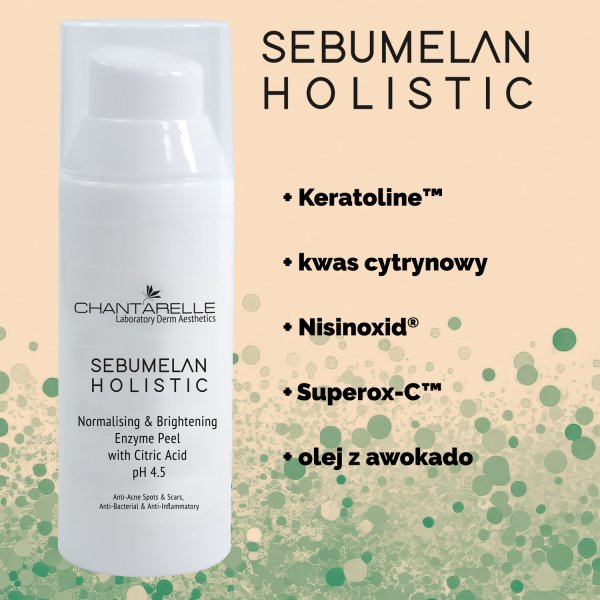
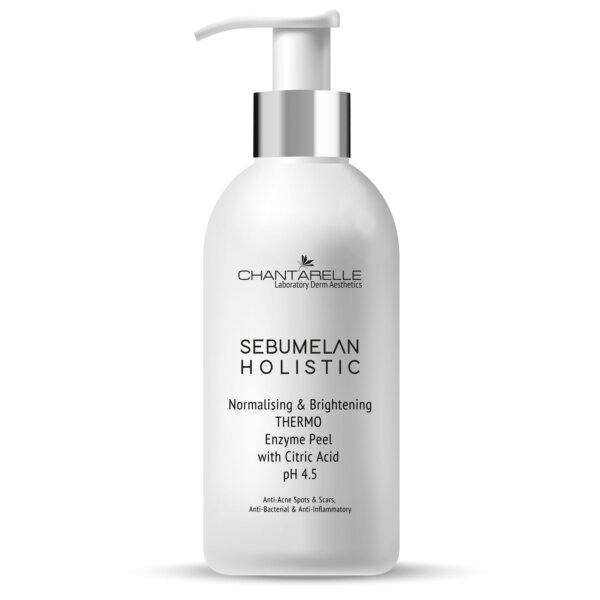
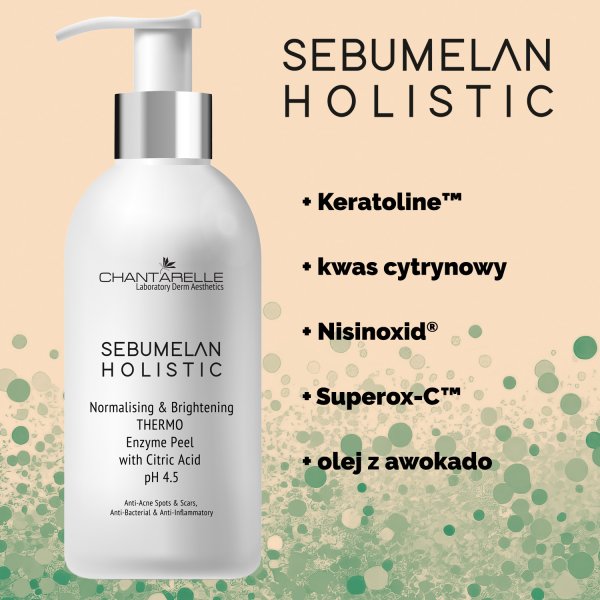
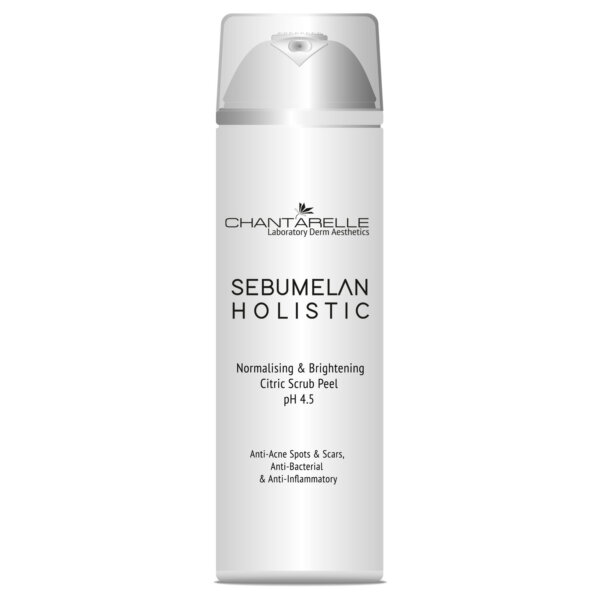
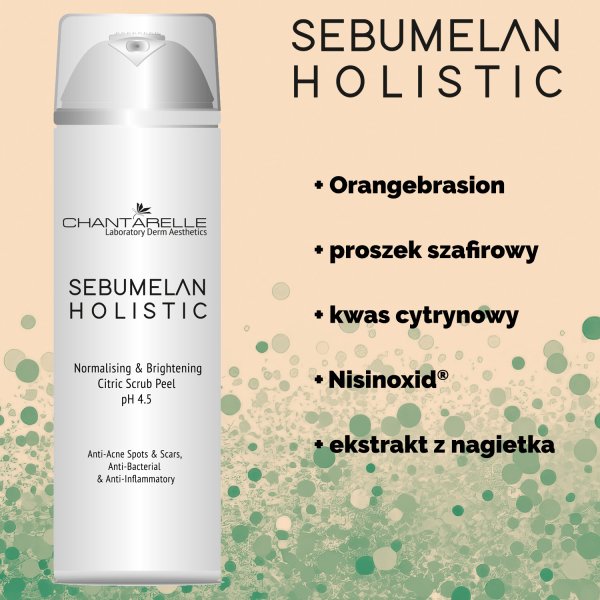
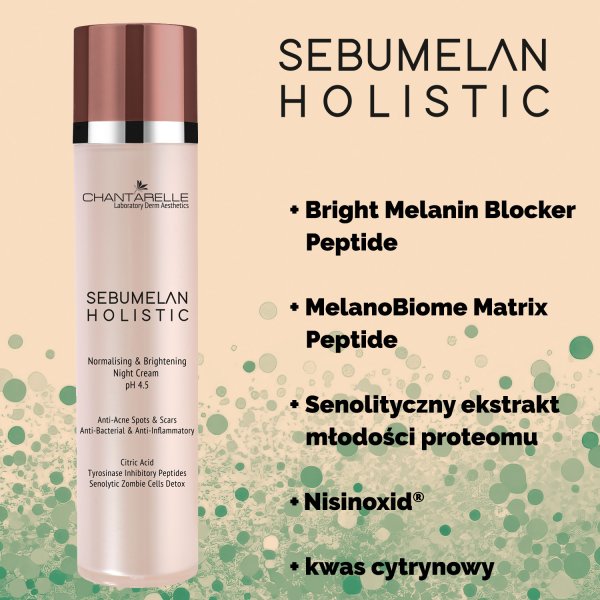
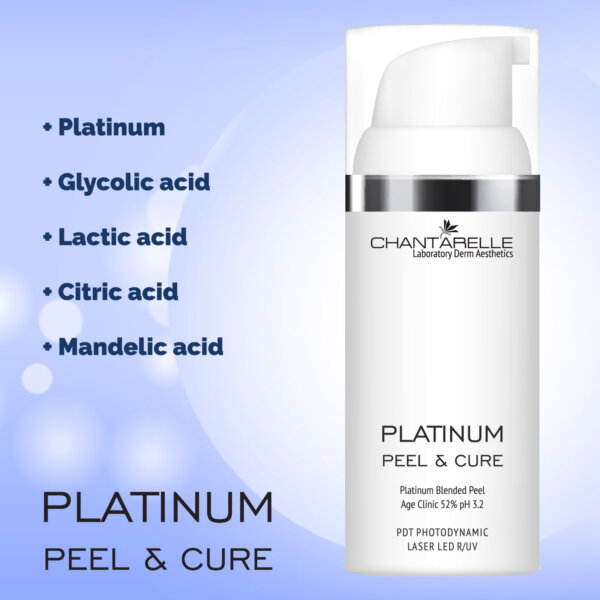
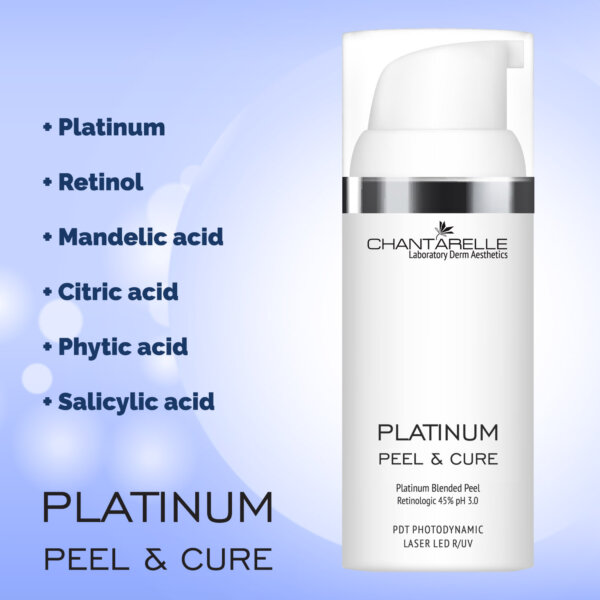
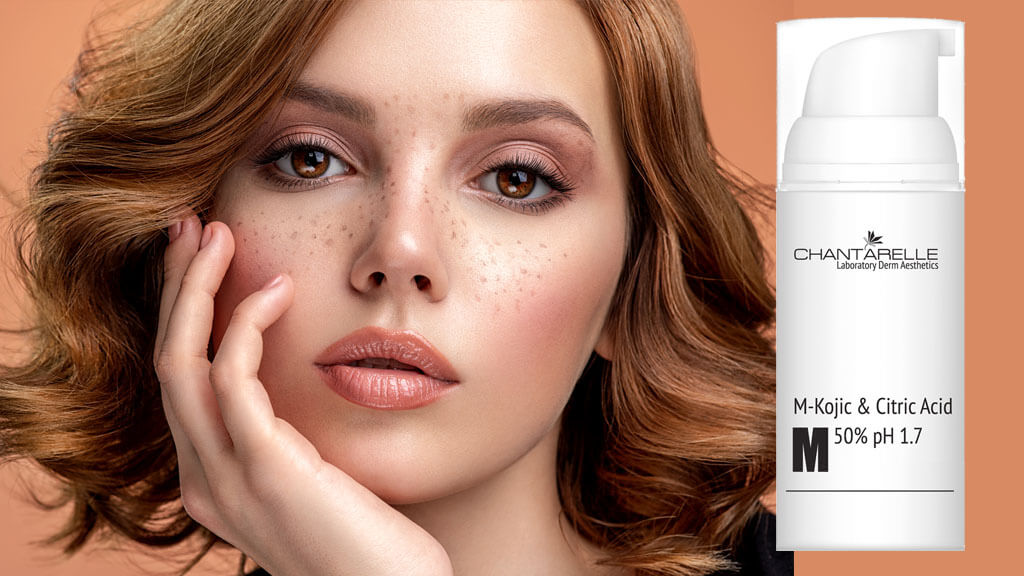
Exfoliates, depigments, fights inflammation and evens out skin texture. Ideal for treating post-inflammatory hyperpigmentation. Azelaic acid exfoliates the stratum corneum of the skin and normalises melanin synthesis. This helps prevent the appearance of new pigmentation spots and gradually evens out skin tone. A properly selected chemical peel reduces melanocyte activity, destroys unwanted pigment and inhibits the formation of new pigmentation. Chantarelle offers a wide range of acid treatments designed to reduce pigmentation spots, discolouration and uneven skin tone. Depigmenting acids are used in treatments such as Platinum Peel&Cure, Sebumelan Holistic and the M-Acid line.
 dr Khrystyna Shekhovtsova
Chantarelle expert, dermatologist and aesthetic physician
Depigmenting acids in the Chantarelle range